The title of Wednesday morning’s press conference was like a siren’s blare: “EMERGENCY BRIEFING: Bangladesh Wage Protests, Workers’ Demands.”
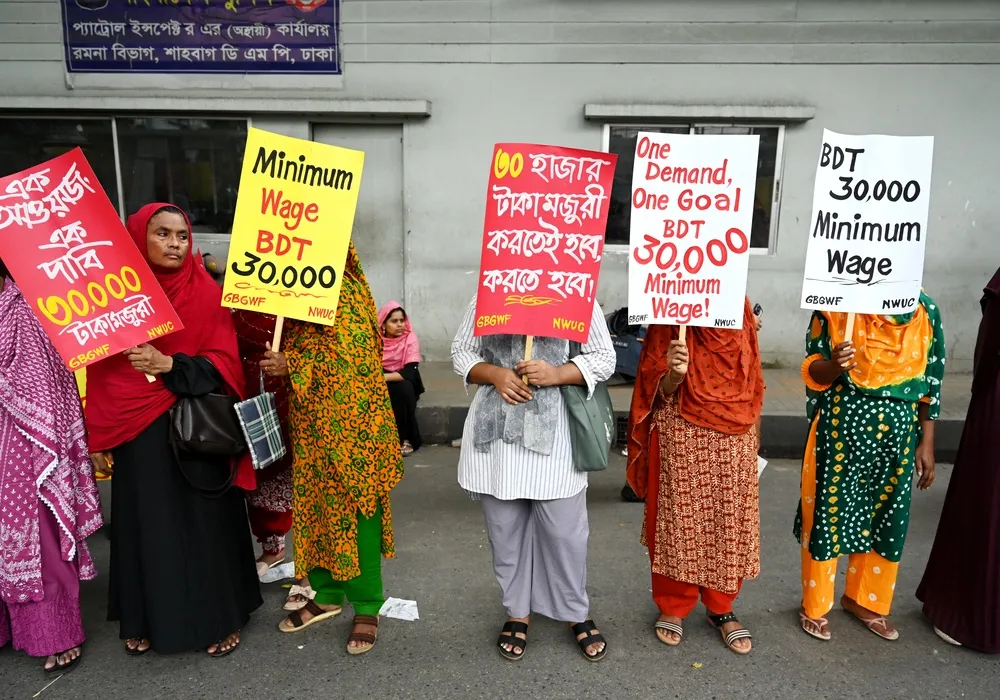
Organized by the Clean Clothes Campaign, the garment industry’s largest consortium of trade unions and civil society organizations, the hour-long webinar had ample reason to sound the alarm: On Monday, only days away, Bangladesh’s minimum wage board will meet to review employers’ counterproposals to workers’ demands for higher pay. How close the proposed wage comes to the 32,000 Bangladeshi taka ($257) workers are seeking could change the course not only of the protests roiling the country but also workers’ livelihoods in one of the world’s lowest-paying manufacturing centers.
Related Stories

Does Fashion Still Have a Role at COP?
New Cotton Initiatives Target Farm Data, Textile Waste
Opportunities for a wage adjustment don’t come around very often, said Anna Bryher, policy lead at Labour Behind the Label, the Clean Clothes Campaign’s U.K. affiliate. Historically, Bangladesh reviewed wages every five years, most recently in 2023, when similar wage demonstrations played out. A 2026 amendment to the Bangladesh Labour Act shortened that interval to three, though the country’s manufacturers pushed to delay the next review until 2028, citing intense economic pressure from high inflation, an ongoing energy crisis and additional U.S. tariffs on their exports. Against this backdrop, manufacturers have said that even the earlier demand for 30,000 taka ($241)—a 140 percent hike—would be impossible to meet.
To achieve real progress, Bryher said, Bangladesh’s top apparel buyers , including Bestseller, C&A, H&M Group, Marks & Spencer, Primark, Uniqlo parent Fast Retailing and Zara owner Inditex, need to speak out before employers make their counterbid next week.
Source link