Black Friday falls on November 27, and most retailers’ product data isn’t ready for it.
Stock is landed, media is booked and promotions are scheduled to the hour. But the one asset underneath all of it rarely gets a pre-peak review, and it decides whether any of that investment gets seen. Between now and January, every channel that matters – Google Shopping, Meta, Amazon, Ebay, AI assistants such as ChatGPT, Gemini, Copilot, Perplexity and the retailer’s on-site search – reads titles, attributes and categories before deciding what to show.
A listing with a thin title, missing attributes or the wrong category doesn’t rank lower. It isn’t the answer at all.
Most catalogues weren’t written for machines. Titles were drafted for a category page months ago, attributes were filled in for the first channel and never revisited, and the same product carries three different descriptions across website, marketplace and feed.
While this creates a steady drag on performance during quiet periods, the issue severely compounds during peak season: Retailers face soaring CPCs for their highest-priority terms, product disapprovals with no time left for resolution, and Boxing Day promotions that fail to surface due to missing sale prices in the feed. Yet, addressing these issues SKU by SKU demands the single resource ecommerce teams lack in November: spare capacity.
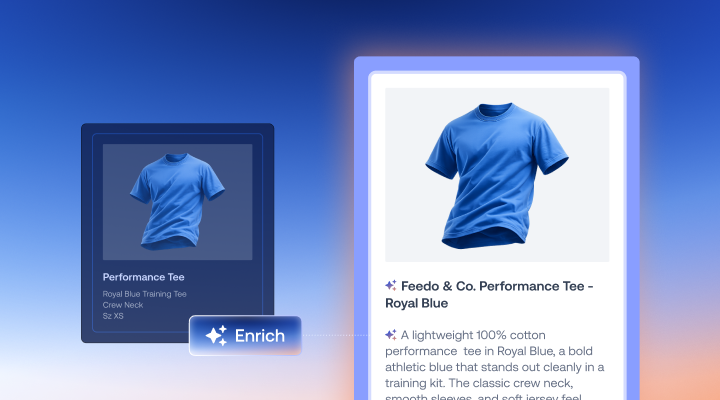
Designed to eliminate manual effort, Feedonomics Enrichment is now seamlessly integrated into the Feedonomics platform. By leveraging generative AI, it automatically generates structured, brand-aligned product data across entire inventory catalogues. This includes optimising titles and descriptions for search behaviour, ensuring attributes and categories meet channel specifications and AI criteria, refining SEO metadata, tailoring channel-specific fields, and building structured content tailored for AI answer engines like ChatGPT and Gemini.
Source link