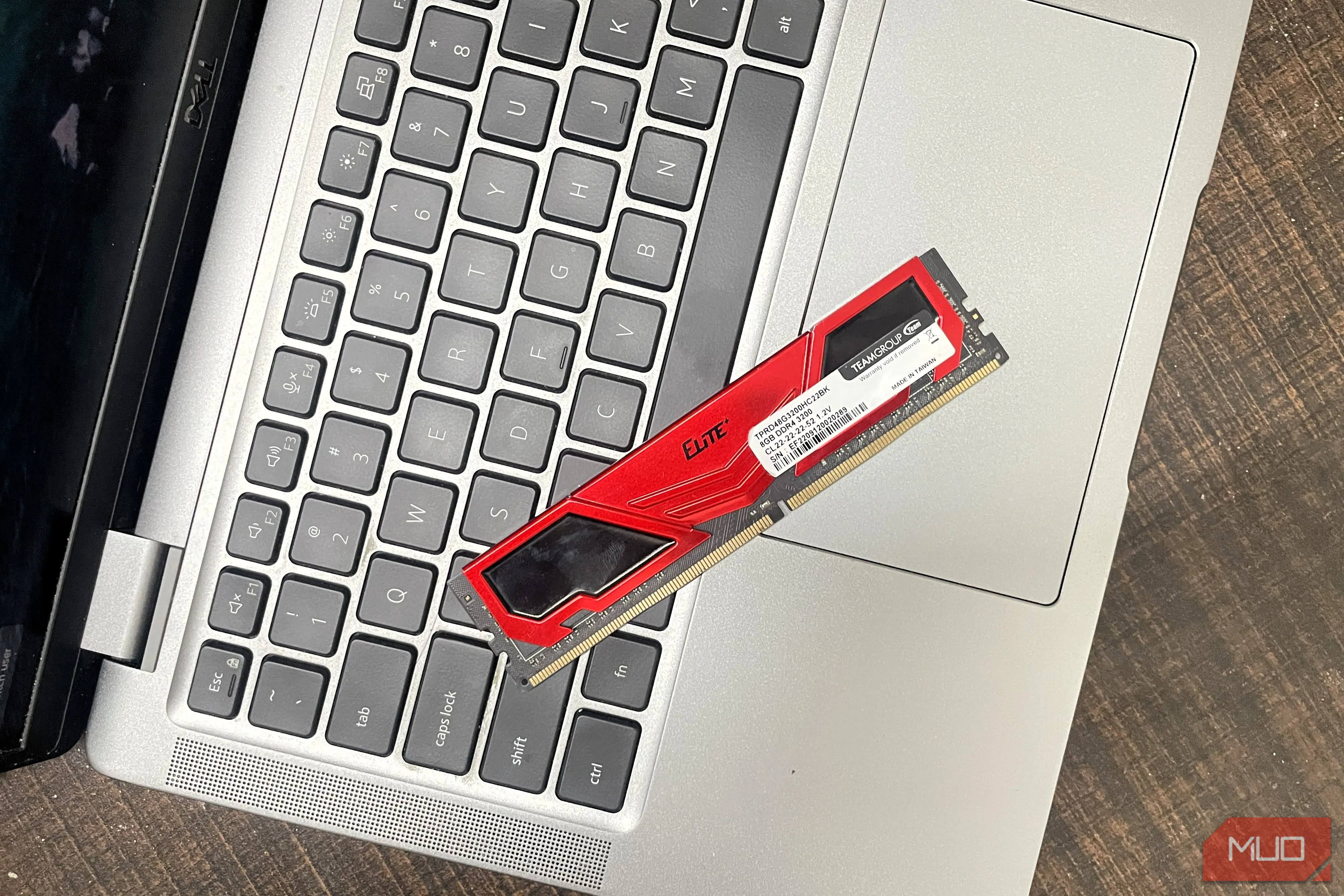
If you've been putting off a RAM upgrade because prices have become ridiculous, there is finally a little light at the end of the tunnel. Industry forecasts suggest DRAM supply could move ahead of demand in 2028, potentially creating the conditions for prices to fall.
That's after an exceptionally expensive 2026 and what could be an even tighter 2027. The catch is that memory manufacturers have learned from previous boom-and-bust cycles, so additional supply may not translate into an immediate bargain-bin bonanza.
You don't have to spend a fortune building a PC that'll last years.
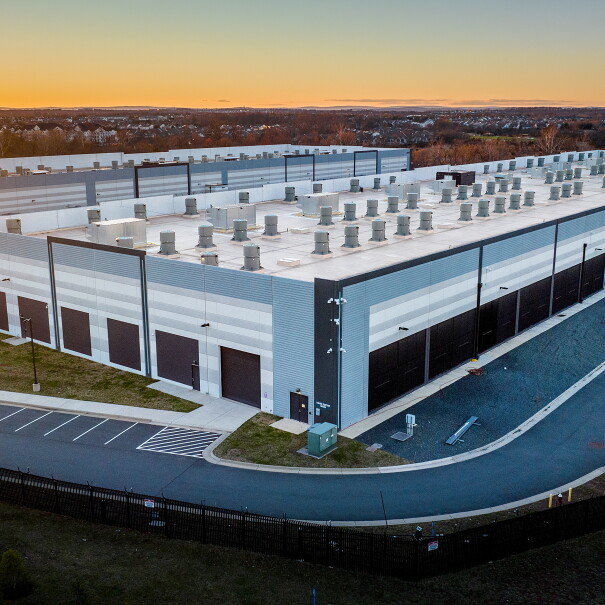
The current problem is not simply that the world suddenly ran out of ordinary desktop memory. The AI infrastructure boom changed what memory manufacturers want to produce. Samsung, SK Hynix, and Micron can earn more by dedicating advanced production capacity to high-bandwidth memory, or HBM, and server products than by flooding the market with inexpensive consumer DRAM. That shift has restricted the supply available for desktops, laptops, phones, and other mainstream consumer devices, even while consumer demand has remained relatively low.
The resulting effect on prices has been dramatic, to say the least. TrendForce forecast conventional DRAM contract prices would rise 90 to 95 percent quarter over quarter in the first quarter of 2026, with PC DRAM prices expected to more than double. By the third quarter, the firm expected the increase to slow to 13 to 18 percent, but that still represents another rise rather than a reversal. Supplier inventories also remained at historically low levels, while most additional output was being directed toward servers.
Source link