Producers will soon fund Europe’s textile sorting system through EPR fees. Unless that money properly rewards the infrastructure—collecting, sorting, preparation for recycling and recycling—the capacity won’t be built and the recycled fiber won’t be there. Therefore, brands should take action.
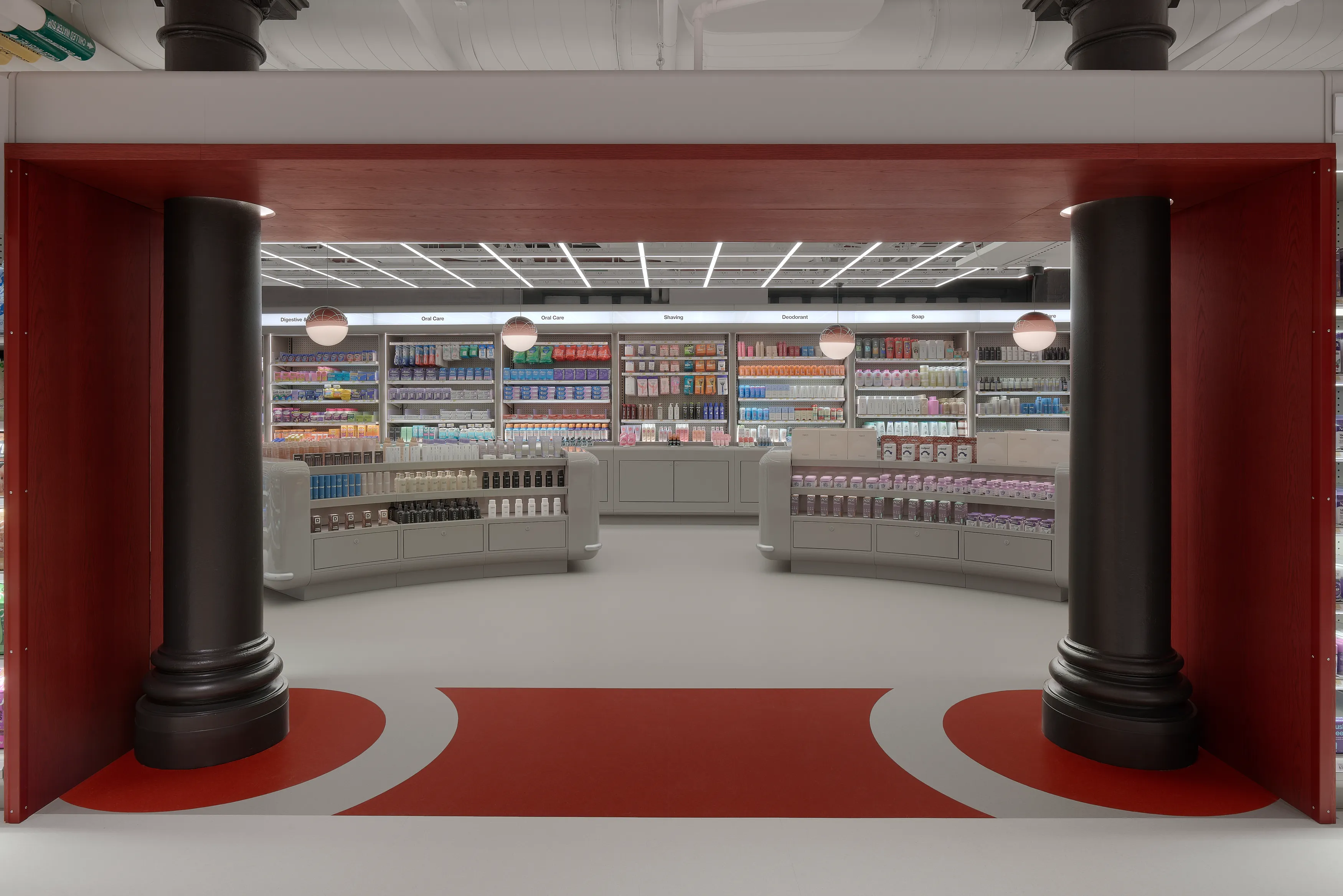
At Looper’s sorting facility in Polch, Germany, we run an automated near-infrared line that identifies garments by fiber composition. It works. We started building it in 2023, on the assumption that textile-to-textile recycling would need a supply of correctly identified fiber and that someone would have to produce it.
Related Stories

Op-Ed: Stop Looking for the Next PP
The Future of Repellent Textiles: Beyond PFAS
It is still a pilot. Not because the technology disappointed us. Because scaling it doesn’t return capital yet.
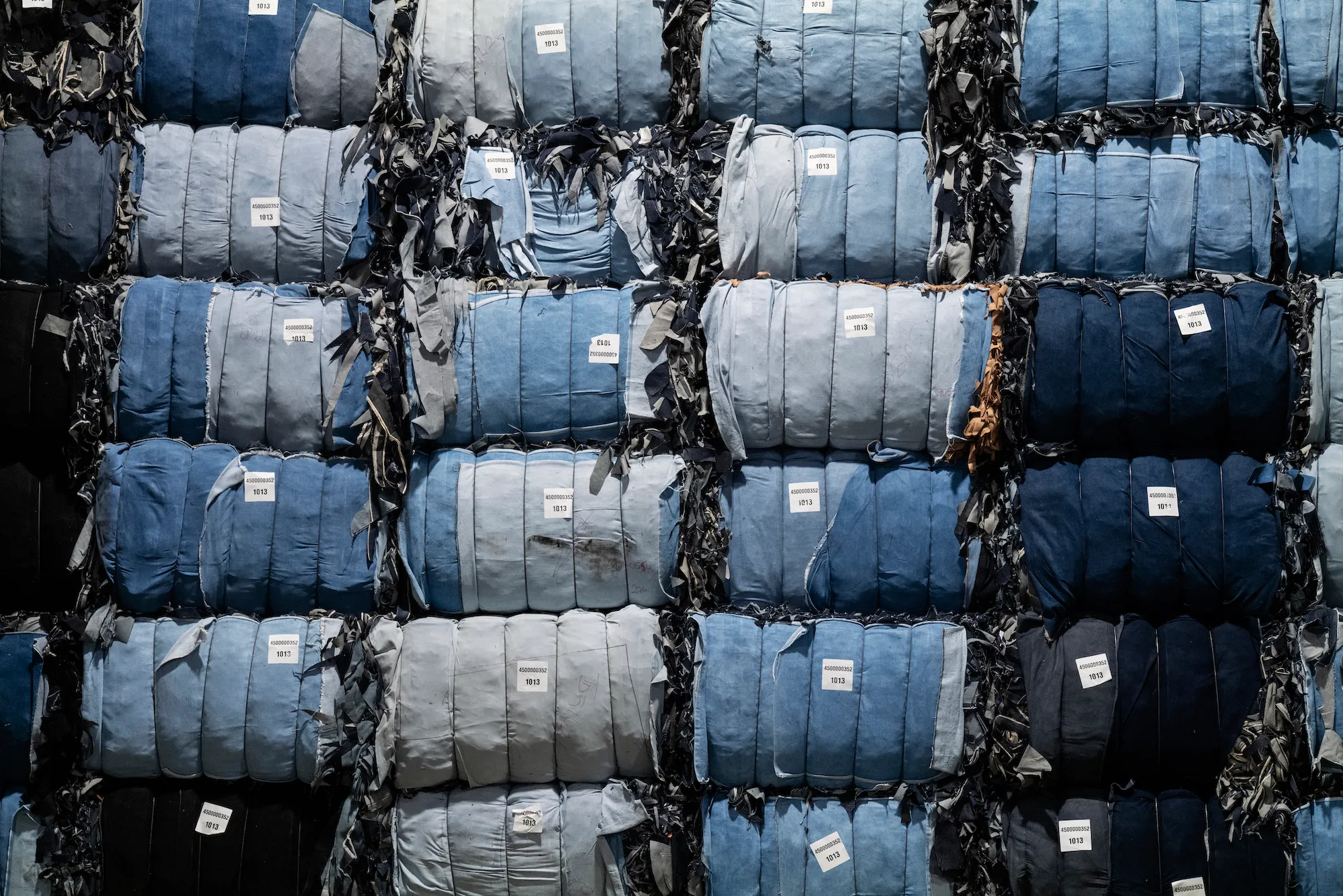
At Circulose’s plant in Sundsvall, Sweden, we make pulp from cotton-rich textile waste. It is the world’s first commercial-scale chemical textile recycling facility, and production is restarting in the fourth quarter 2026. We want feedstock to come from European post-consumer waste. Today, it largely can’t because sorted post-consumer textile waste isn’t available at the volumes we need, and what is available costs more than the economics allow.
Renewcell, which built the plant Circulose now owns, proved the technology worked at scale. The challenge? The market around it wasn’t ready: recycled fiber cost more than virgin, no brand was obliged to use it and the sorting infrastructure to supply it was immature. Now, 15 brands have committed volume, and existing inventory is covering demand while production ramps back up.
Source link