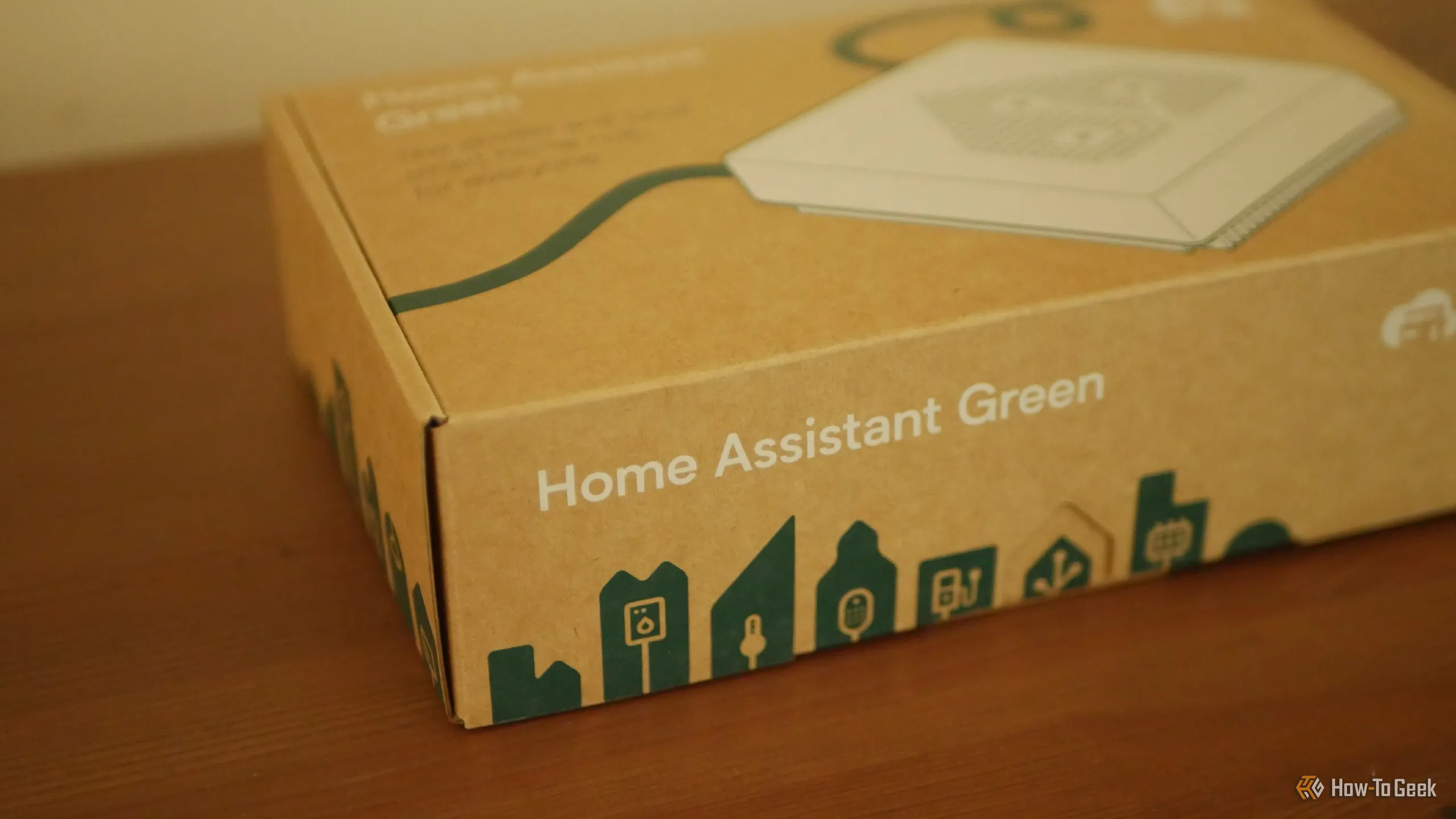
Home Assistant is free, open-source software that costs nothing to download and install. But the software is only the beginning. Running Home Assistant involves plenty of costs, many of which can be higher than you think.
For a long time, the humble Raspberry Pi was one of the most frequently suggested devices for people looking to start using Home Assistant. It was powerful enough to handle modest setups, but cheap enough to buy without bursting into tears.
Sadly, this is no longer the case. Mostly due to the rocketing price of RAM (thanks, AI), a top-of-the-range Raspberry Pi 5 can cost over $300, a far cry from the original $35 price tag of the Raspberry Pi 3B+ that I used to run Home Assistant for several years.
It's not just Raspberry Pi devices. I bought my Beelink mini PC for around $200 a couple of years back. The exact same model is currently $339 on Amazon and has been even higher in recent weeks. If you're buying a new device to run Home Assistant, you're probably going to pay more than you might have imagined.
Many smart home devices communicate over Wi-Fi, but this can lead to a congested home network or overreliance on cloud-based services. Switching to alternative options such as Zigbee can give local control over a dedicated mesh network.
The problem is that many of the devices you can use to run Home Assistant don't support options such as Zigbee, Z-Wave, or Thread out of the box.
Source link