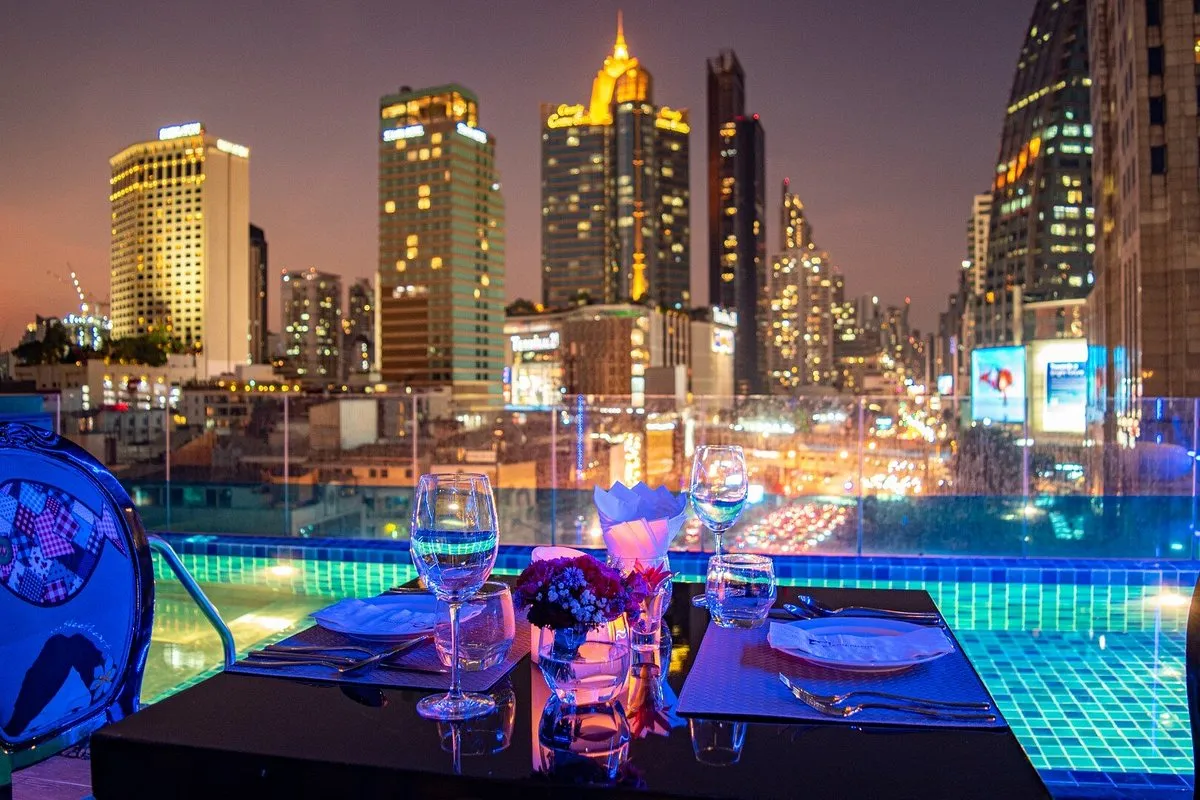
Thailand wants to redirect visitor spending away from five core hubs that generate 70 percent of all tourism revenue, pushing retail and hospitality spending into 72 secondary provinces. Five areas, Bangkok, Phuket, Chonburi, Surat Thani and Chiang Mai, currently take the lion’s share of tourism revenue, leaving the rest of the country with 30 percent.
The policy overhaul, presented at the Nation Forum in Bangkok, links state tourism promotion with private shopping mall developments and international business events to drive longer stays and higher average transactions. The Tourism Authority of Thailand aims for revenue expansion of 5 to 10 percent in 2027 by targeting spending per head rather than headline arrival volumes.
Commercial operators are restructuring their tenant mix and marketing calendars around regional sourcing to capture higher margins from international travellers. Department store operator The Mall Group is positioning provincial crafts, specialty produce and regional design as high-margin merchandise displayed alongside legacy luxury labels in flagship venues such as the EM District.
Voralak Tulaphorn, chief marketing officer of The Mall Group, pointed to campaigns such as Khad Thai, which showed more than 40 regional durian varieties, to prove that local products command premium pricing when merchandised properly. The retail group is also integrating entertainment assets, staging international concerts at UOB LIVE and deploying home-grown intellectual property like the Butterbear character to pull foreign shoppers into its Bangkok properties.
For retail landlords and brand owners, the strategic pivot answers years of margin compression in low-end mass tourism. Selling cheap souvenirs and chasing tour bus throughput created overcrowding and environmental costs while doing little for domestic retail revenues.
Source link