

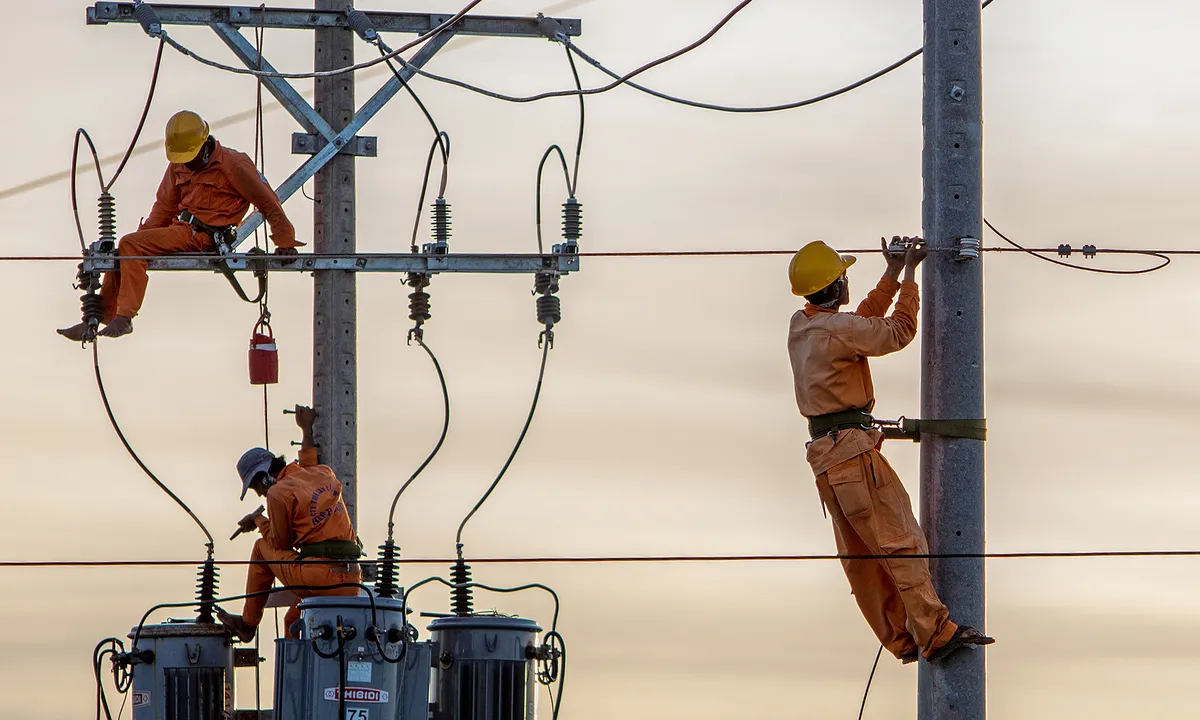
Thailand must boost renewable electricity generation to between 65 percent and 80 percent by 2050 as expanding industrial operations and data centres demand roughly 25,000 megawatts of clean power.
Green Investment Hub Chairman Kulit Sombatsiri delivered the capacity forecast at the ESG Symposium 2026 in Bangkok, warning that heavy reliance on imported energy leaves regional supply chains vulnerable to price shocks.
The investment roadmap requires capital deployment across modernised power grids, virtual power plants, carbon capture utilisation and storage, and small modular nuclear reactors. Meeting the target demands public-private partnerships across energy producers, industrial consumers, and regulatory agencies to maintain grid stability without driving power tariffs higher for commercial users.
Thailand’s industrial base faces rising pressure from export markets to prove low-carbon production credentials. Heavy manufacturers and emerging data centre operators require dedicated green power contracts to fulfill global corporate net-zero pledges.
SCG President and Chief Executive Officer Thammasak Sethaudom said Southeast Asian economies cannot afford to view decarbonisation as a trade-off against economic expansion. Regional operators must link green investments directly to cost reductions and factory floor efficiency rather than treating sustainability as a regulatory compliance burden.
Large multinational brands and retailers sourcing out of Southeast Asia are tightening Scope 3 emissions reporting, shifting procurement orders toward suppliers that run on certified clean grids. Thai manufacturers that delay equipment upgrades risk exclusion from regional export networks.
Payong Srivanich, co-chairman of the Joint Standing Committee on Commerce, Industry and Banking, said structural reform must address the informal economy and assist small and medium-sized suppliers.
Source link





