

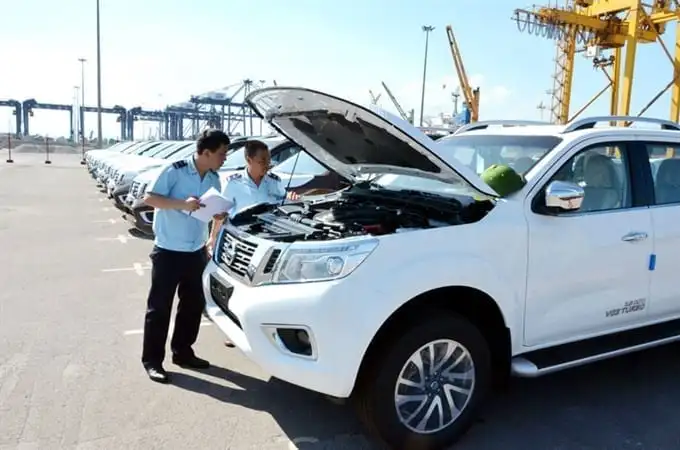
Automakers across eastern Thailand will resume assembly operations on October 14 as component suppliers restore factory lines following late September floods in Chon Buri province. Major vehicle assembly plants had enough buffer inventory to maintain output until October 12 before parts shortages forced brief schedule adjustments.
The recovery clears a bottleneck across Tier 2 and Tier 3 parts suppliers based inside the Amata City Chonburi Industrial Estate, protecting Thailand’s national target to produce 1.5 million vehicles in 2026.
Floodwaters have now receded from the industrial corridors in Chon Buri, allowing parts manufacturers to bring technicians back to factory floors. Operations have not returned to full capacity immediately. Teams at dozens of small and medium-sized parts makers are inspecting machinery, rewiring electrical circuits, and reconfiguring logistics routes to move metal stampings, wiring harnesses, and sub-assemblies to assembly plants.
Disruptions to regional road links briefly cut off parts deliveries from unflooded workshops to vehicle assembly plants across Rayong and Samut Prakan. The supply bottleneck temporarily hit factory schedules for Toyota, Isuzu, Ford, Nissan, and Honda. Assembly lines for battery electric vehicles escaped the disruption because their component supply chains rely on separate battery and motor fabrication lines.
Traditional combustion vehicles absorbed almost all the downtime because their manufacturing footprints involve broad networks of domestic subcontractors. Missing a single bracket or fastener stops a finished vehicle from clearing the end of the line.
Surapong Paisitpattanapong, advisor and spokesman for the Automotive Industry Club at the Federation of Thai Industries, pointed to the structural vulnerability of conventional platforms: An ICE vehicle contains more than 30,000 parts.
Source link





