

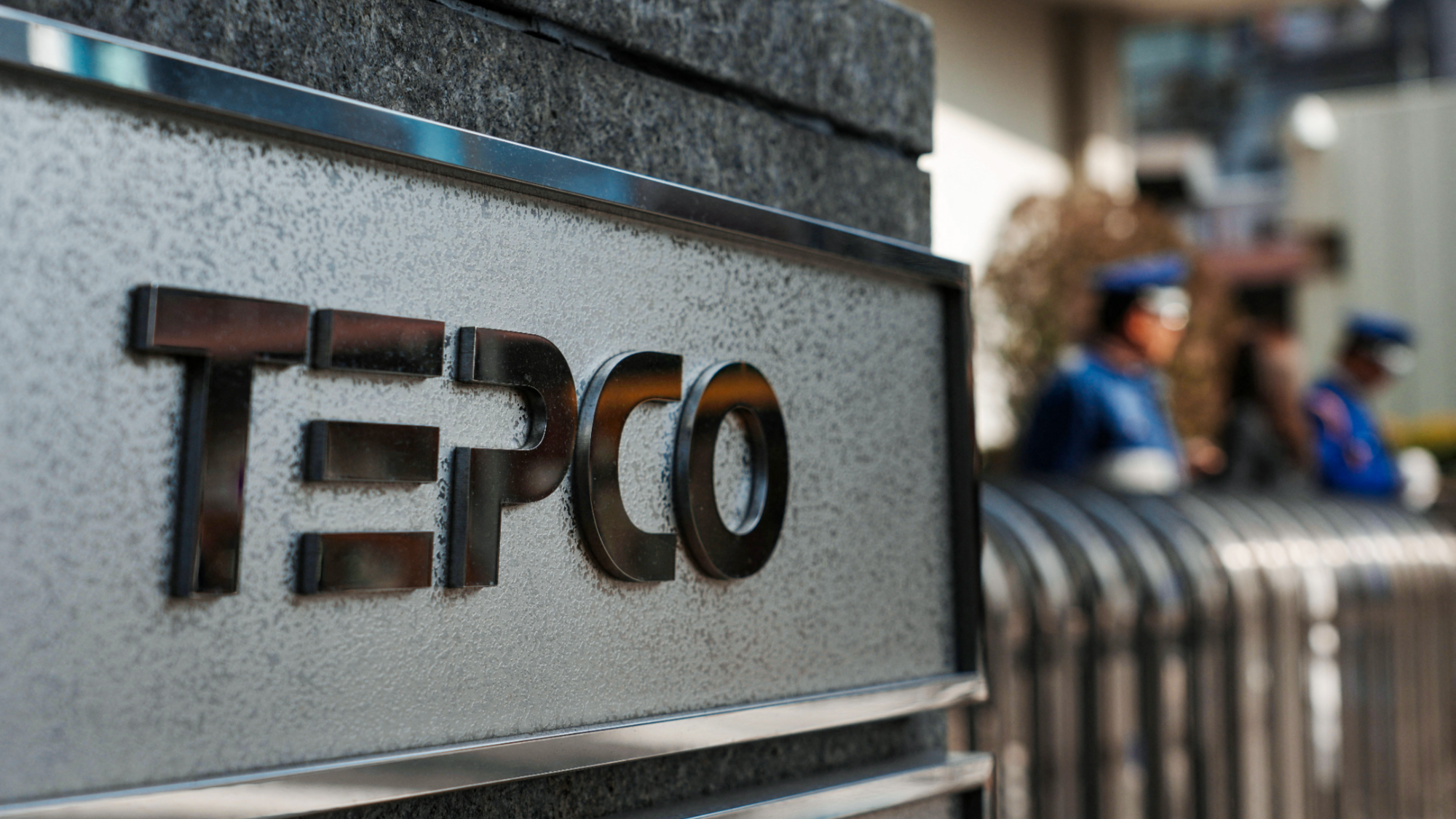
Tokyo Electric Power Co. Holdings developed an artificial intelligence system in October 2026 to assist with applications for restarting nuclear power plants, targeting an 80 per cent reduction in paperwork.
The initiative aims to save labor as the utility faces a shortage of specialized personnel, following cases where more than 100 TEPCO specialists spent months preparing about 70,000 pages of documents to restart a reactor.
Japanese nuclear safety procedures demand exhaustive documentation covering equipment tolerances, seismic resilience calculations, and emergency response frameworks. Compiling these dossiers by hand tied up technical personnel in routine administrative verification rather than direct engineering supervision.
TEPCO designed the internal AI tool to parse disparate maintenance archives and regulatory guidelines. The system flags discrepancies in reactor specifications and populates standardized filing templates, compressing multi-month drafting schedules into weeks.
Utility operators across Japan face an acute shortage of certified nuclear engineers following years of reactor idling and an aging domestic workforce. As senior specialists retire, utilities cannot recruit replacements quickly enough to match the operational demands of simultaneous plant revivals.
For commercial operators and regional industry, the bureaucratic bottleneck has delayed the return of baseload power capacity needed to stabilize industrial electricity tariffs. Automating baseline documentation allows power providers to redirect limited engineering staff toward onsite physical inspections and hardware upgrades.
The push by TEPCO mirrors a wider shift across the international nuclear industry to deploy machine learning within strict compliance regimes. Nuclear equipment vendor Westinghouse demonstrated its proprietary HiVE system and bertha assistant to manage reactor construction schedules, showing how heavy energy operators use algorithms to cut project delays without compromising safety checks.
Source link





