

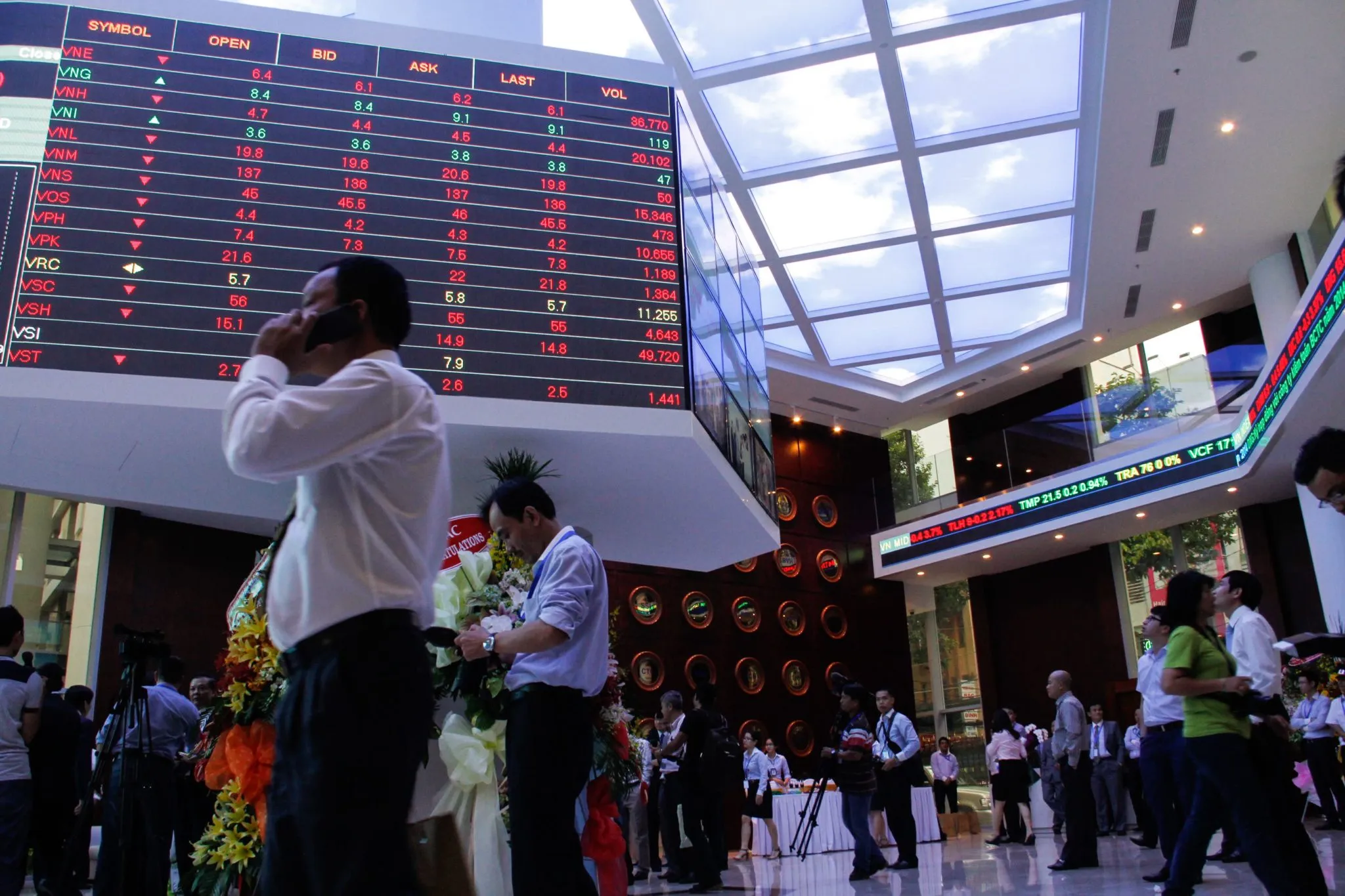
Fewer than 1.7 million beneficiary owner accounts remain active in Bangladesh out of a population nearing 180 million, keeping stock market participation below 1 per cent. Industry insiders estimate that actual individual investors number no more than 200,000, representing less than 0.1 per cent of the population.
In October 2026, the low tally contrasted sharply with more than 190 million bank accounts nationwide. Stock market appetite has struggled to recover since 2010, when beneficiary owner accounts surged past 3.3 million before a severe market crash prompted a sustained exodus.
Neighbouring equity markets show a wide gap, with India registering roughly 6 per cent of its population in equities and Nepal reaching 26 per cent. In Bangladesh, investor confidence has also been undermined by weak protections from the Bangladesh Securities and Exchange Commission and irregularities across listed firms.
This shallow investor pool limits initial public offerings to modest sizes for consumer enterprises and regional retail conglomerates looking to raise capital in Dhaka. Institutional liquidity also stays tight. Retail secondary volume cannot absorb sizable exits, leaving listing pipelines narrow.
Corporate payout policies have discouraged retail capital. Only 10 to 15 listed entities deliver dependable cash returns to shareholders. Larger companies frequently hold cash in bank accounts rather than distributing dividends. Consequently, speculative turnover has concentrated in low-paid-up capital firms and junk equities.
Lax oversight in previous years deepened the structural imbalance. The Bangladesh Securities and Exchange Commission previously extended the maturity terms of closed-end mutual funds by 10 years, freezing retail redemption rights.
Source link





