

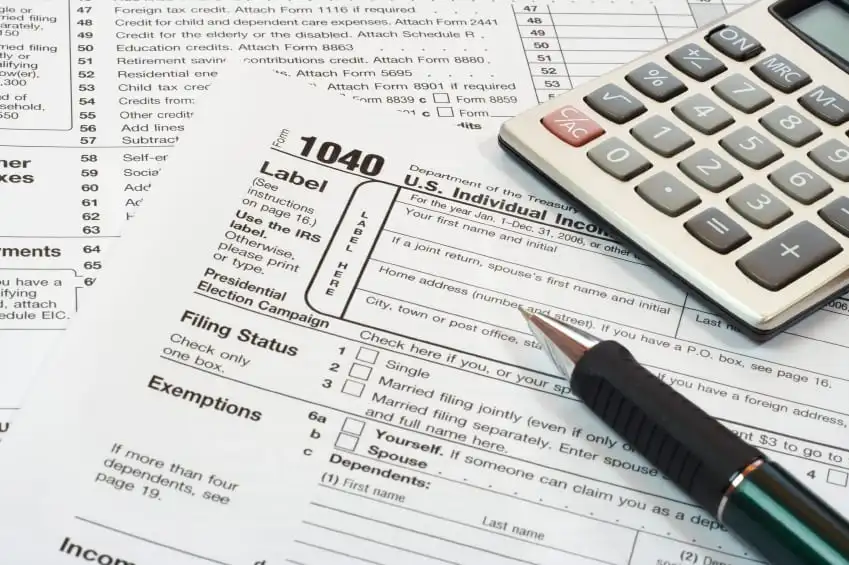
Pakistan’s Federal Board of Revenue (FBR) moved in October 2026 to extend the use of artificial intelligence to scrutinise individual tax returns, drafting rules to detect factual and legal errors before initiating penal action.
Designated as Rule 38-B under proposed amendments to the Income Tax Rules 2002, the draft framework gives stakeholders three days to submit feedback before officials finalise the regulation.
The automated system compares information declared in income tax returns with other available records held by tax authorities, flagging potential discrepancies directly to taxpayers through the IRIS portal.
Algorithmic detection does not trigger immediate penalties or legal cases. Filers instead receive an initial window of at least seven days to rectify errors, upload missing records, or clarify mismatched numbers online.
Taxpayers who miss that initial deadline receive an automated reminder. That notice grants an additional response period of at least seven days.
Inland Revenue officers retain jurisdiction over every flagged file. A designated officer reviews the system findings alongside any explanation uploaded by the taxpayer. The officer then decides whether to launch formal assessment proceedings under the Income Tax Ordinance.
This structure inserts an automated filter between return submission and audit selection. It cuts processing time and reduces direct contact between taxpayers and tax collectors during initial screenings.
Retail operators and sole proprietors across Pakistan face tighter scrutiny as the revenue board cross-references sales data, bank transactions, and import filings with declared revenues. Unreported point-of-sale turnover or mismatched supply-chain invoices will trigger automatic flags under the architecture.
Businesses must now maintain digital accounting ledgers that match IRIS portal records in real time.
Source link





