There is good reason to phase out plastic. Flexible plastics escape into rivers, oceans and landfills, where they persist for decades, fragment into microplastics and leach chemicals into water and soil, and the harm lands hardest in the places least equipped to collect them.
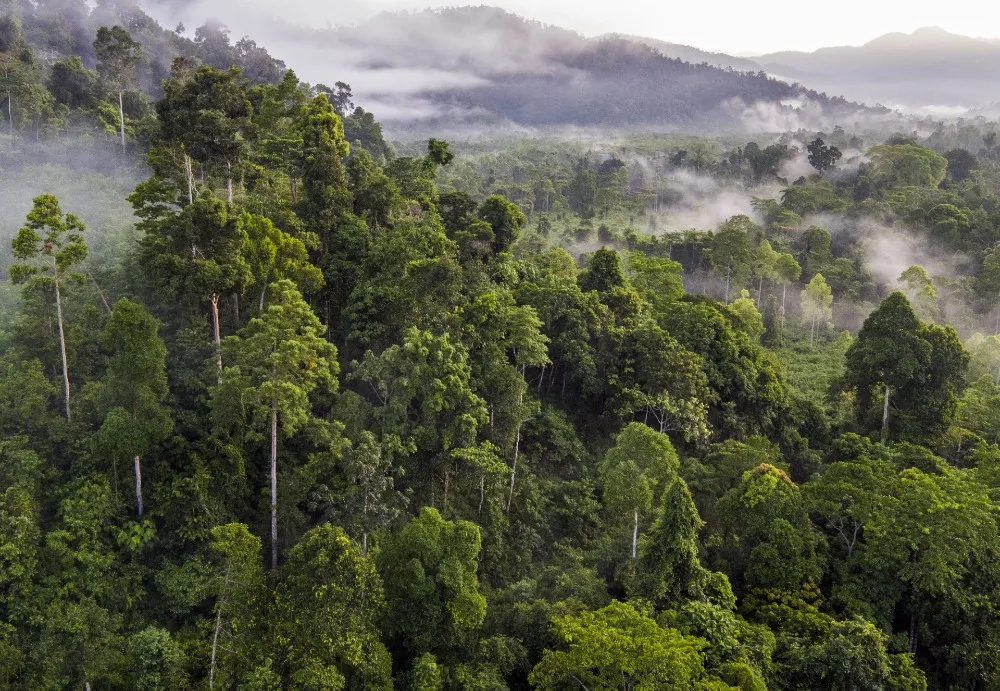
But the transition raises a question: can forests supply its replacement? The world harvests about 4 billion cubic meters of wood each year, and demand is projected to approach 6 billion by 2050, but supply is already constrained. Since 1990, the world has lost 489 million hectares of forest to deforestation, and more than 460 million hectares of what remains stand degraded.
Related Stories

Canopy Wants Next-Gen Fibers to 'Boldly Go' Mainstream
Can Fashion Make the Business Case for Sustainability?
Fires touch another 127 million hectares of forest a year. That is over 1 billion hectares gone or diminished—more than the area of Canada. A packaging decision measured at the factory gate misses most of this because carbon accounting has a blind spot: it treats the biogenic carbon in wood as neutral and puts those uncounted harvest emissions, across all wood uses, at 3.5 to 4.2 billion tons of CO2 a year, more than three times the aviation sector.
Net zero balances two columns: the carbon we release and the carbon nature absorbs. A standing forest sits in the second column. Log it for packaging, and the ledger records a saving for the plastic avoided, but nothing for the lost absorption. That is where the numbers do not add up.
Source link