Mainland Chinese visitors to Hong Kong are shifting away from luxury retail centers toward outdoor hiking trails as tighter household budgets curtail discretionary travel spending.
The change redirects footfall away from prime shopping districts in Tsim Sha Tsui and Causeway Bay into natural landmarks across the territory.
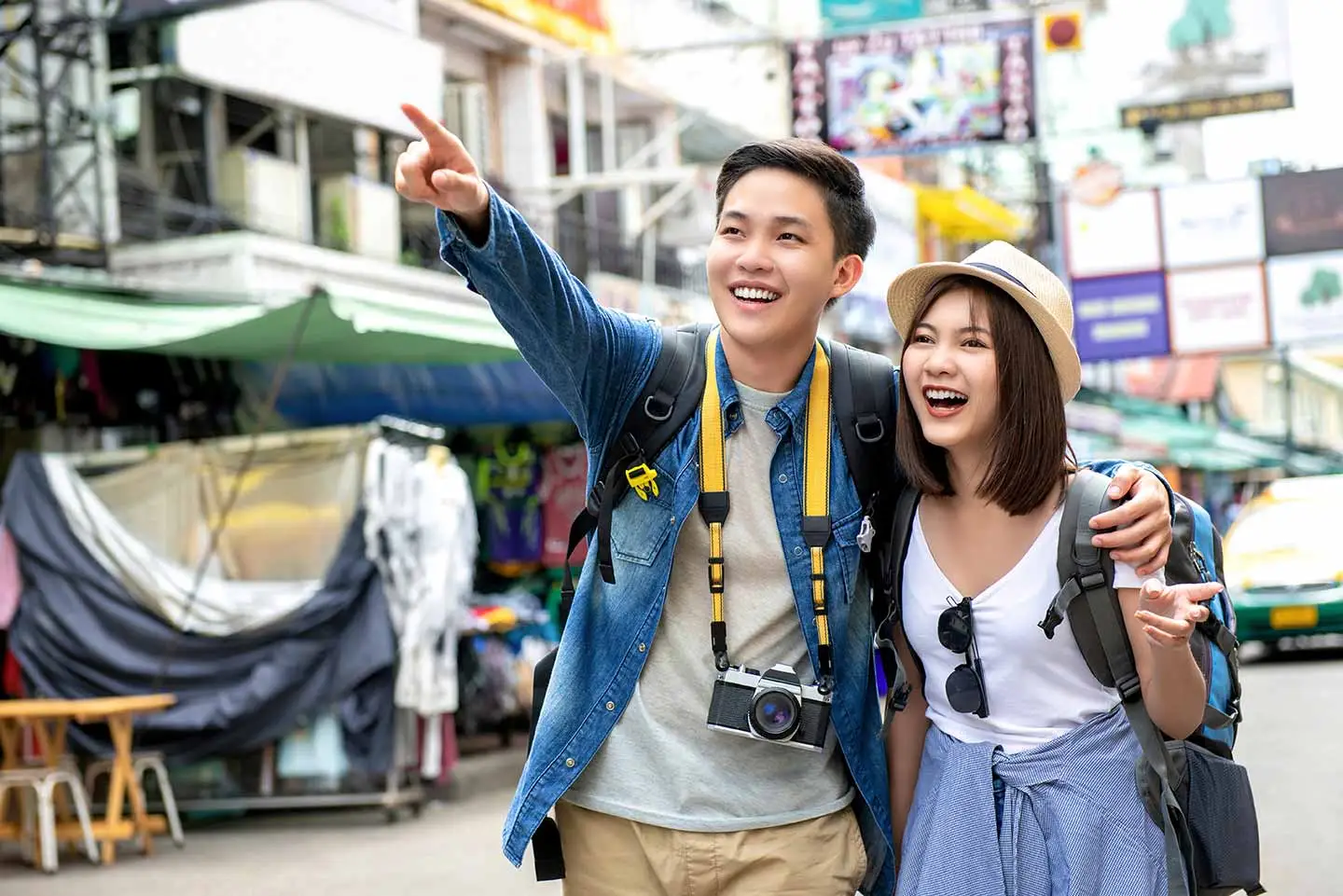
Popular natural destinations across the city are experiencing heavy foot traffic from mainland travelers seeking low-cost itineraries. Visitors now gather at spots like the Hong Kong UNESCO Global Geopark, known for its 140-million-year-old hexagonal volcanic rock formations and coastal sea stacks. Travelers such as Apple Yang squeeze past more than a dozen hikers specifically for outdoor photography and nature walks rather than traditional shopping excursions.
This behavioral pivot reflects ongoing pressure on consumer confidence and household budgets across mainland China. Rather than purchasing luxury fashion, cosmetics, and jewelry, younger visitors prioritize experiential travel that requires minimal direct retail spending.
For Hong Kong landlords and retail operators, the change in visitor preferences alters revenue models that historically relied on high mainland spending per capita. Duty-free shopping and luxury brand boutiques no longer command the automatic footfall from cross-border tourists that defined previous tourism cycles. High-street landlords face pressure to adjust tenant mixes toward dining, sports gear, and convenience retail rather than relying exclusively on high-end fashion houses.
Outdoor apparel brands and convenience operators stand to capture the remaining spend as hikers buy equipment, hydration, and day-to-day food supplies. The total basket size per visitor remains far below historical levels seen during peak retail spending years.
Source link