Oluwaseun is a tech writer and editor whose career began in 2021. Over the years, he has built a strong portfolio of how-to guides, reviews, tech news stories, comparison articles, and explainers, covering Windows, Android, hardware and apps, consumer tech, and gaming. His work has appeared on publications like Techloy and Itechguides, and he has also written with SEO agencies such as OutreachX.
He joined MakeUseOf (MUO) in 2025 to share his expertise with an even wider audience while pursuing a Higher National Diploma (HND) in Computer Science.
When he isn’t writing, Oluwaseun enjoys playing video games and exploring new tech products.
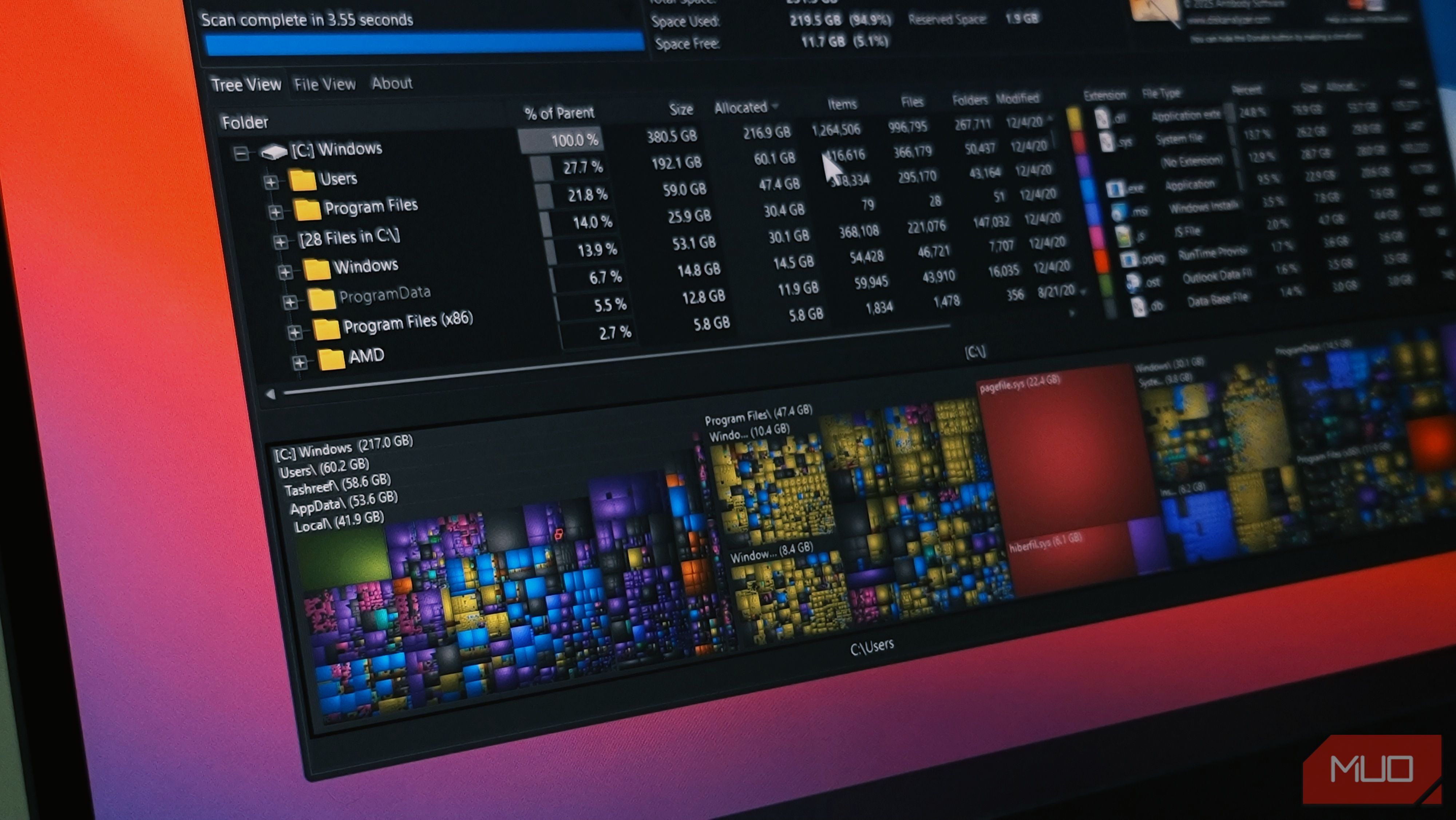
My laptop comes with a 512GB SSD, and it gets filled up pretty fast. I download a bunch of apps and files that I use once and never touch again, movies I keep just for the sake of it, and even games I barely play. And apart from my storage filling up because of my actions, Windows itself contributes quite a bit. Windows can fill up your storage by accumulating temporary files, system updates, hidden caches, and background app data over time, and you'd be surprised how much space this junk can cost you.
Now, you'd assume that as advanced as Windows 11 is, it would have a dedicated tool to show you exactly what's eating your storage. Well, it kind of does. You can head over to the Storage section in the Settings app and get an overview of how much space you're using.
Source link