

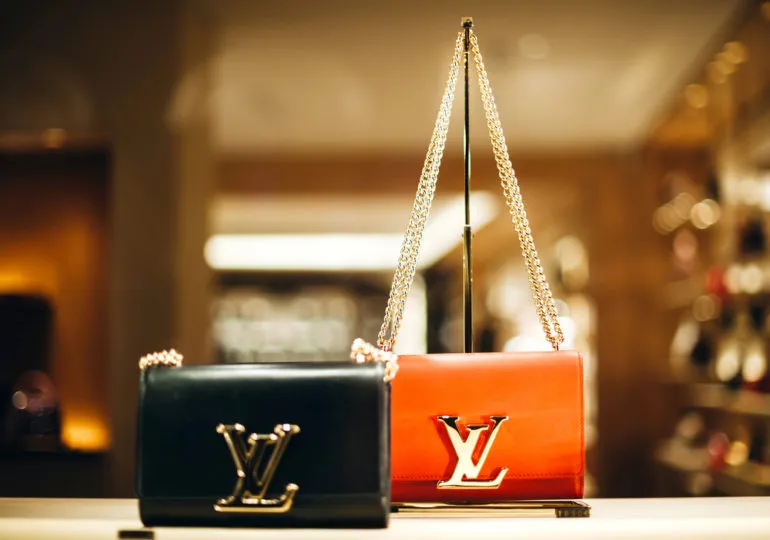
Shares in luxury powerhouses LVMH and Prada traded at an unusually deep valuation discount to fast-fashion retailers Zara and H&M in October 2026. Investors hesitated to buy the dip amid growing concern that the luxury sector’s strongest growth period has passed.
The valuation gap marks a sharp reversal after trends that made high-end luxury groups a standout investment over the past 20 years began fading. Top fashion houses are increasingly exposed as demand cools across broader consumer segments, leaving them reliant on a narrow group of ultrawealthy spenders.
Stock multiples for top luxury names historically commanded a heavy premium over mass apparel operators. That pricing power built on high gross margins, tight inventory control, and reliable price increases on leather goods and apparel.
Equity markets have flipped that relationship. Fast-fashion groups Inditex, which owns Zara, and H&M now trade at higher comparative multiples than both Paris-listed LVMH and Hong Kong-listed Prada.
Mass-market retailers have defended turnover by turning inventory quickly and adjusting collections within weeks. Zara and H&M adjusted prices more conservatively while capturing spend from middle-income households managing tighter budgets.
Luxury brands took the opposite path over the last four years. Aggressive price increases on core handbags and accessories pushed aspirational shoppers out of the market entirely.
Department stores and flagship retail malls across Asia report softer footfall in premium corridors as middle-class consumers cut discretionary purchases. The pullback leaves luxury groups reliant on top-tier VIP clients who buy haute couture and high jewelry.
That customer base is too narrow to sustain the double-digit revenue growth rates equity investors came to expect.
Source link





