

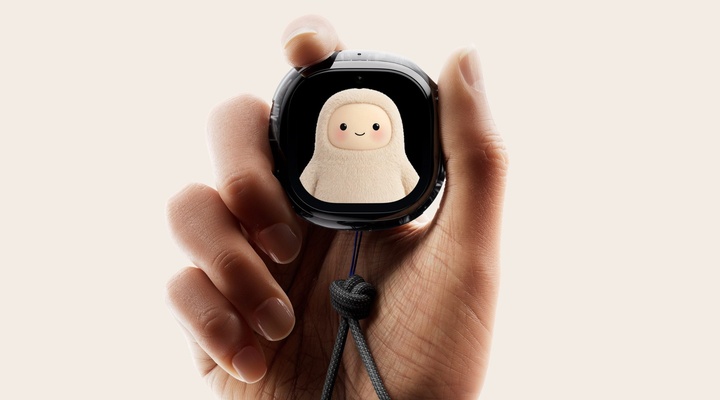
Last month, Facebook’s parent company, Meta, introduced Muse, a next generation “personal assistant” that can not only recommend products to purchase but also complete the transaction within the same chat.
Several retailers, including Gap and Sephora, have already integrated the tool into their systems. However, others, including Amazon, have blocked it, citing privacy concerns. Critics are asking whether we can really trust AI agents not to give away humans’ personal information, or even whether the internet – designed for humans, not bots, remember – can cope.
Melissa Minkow, CI&T’s global director of retail strategy, said Meta’s entry into agentic commerce is noteworthy, but questioned whether Muse is poised to take over.
Many shoppers are warming to AI as a research tool, but few feel comfortable letting it handle their spending.
“Trust is the number one factor causing resistance, and while Meta has a leg up in the sense that it’s a brand consumers are already using for messaging, it will have to work hard to earn sufficient trust for agentic commerce,” said Minkow. “That said, the mission of Muse aligns with what our data shows consumers want to use this technology for, which is finding the best prices and comparing items.”
Barney Stacher, CEO of consultancy Retail OCD, told Inside Retail that Muse could become an important shopping tool, but the test is whether it makes buying easier. “A clever conversation still has to end with the right product arriving,” he said.
Stacher added that Gap and Sephora’s integrations are promising because apparel and beauty shopping requires more than price comparison.
Source link





