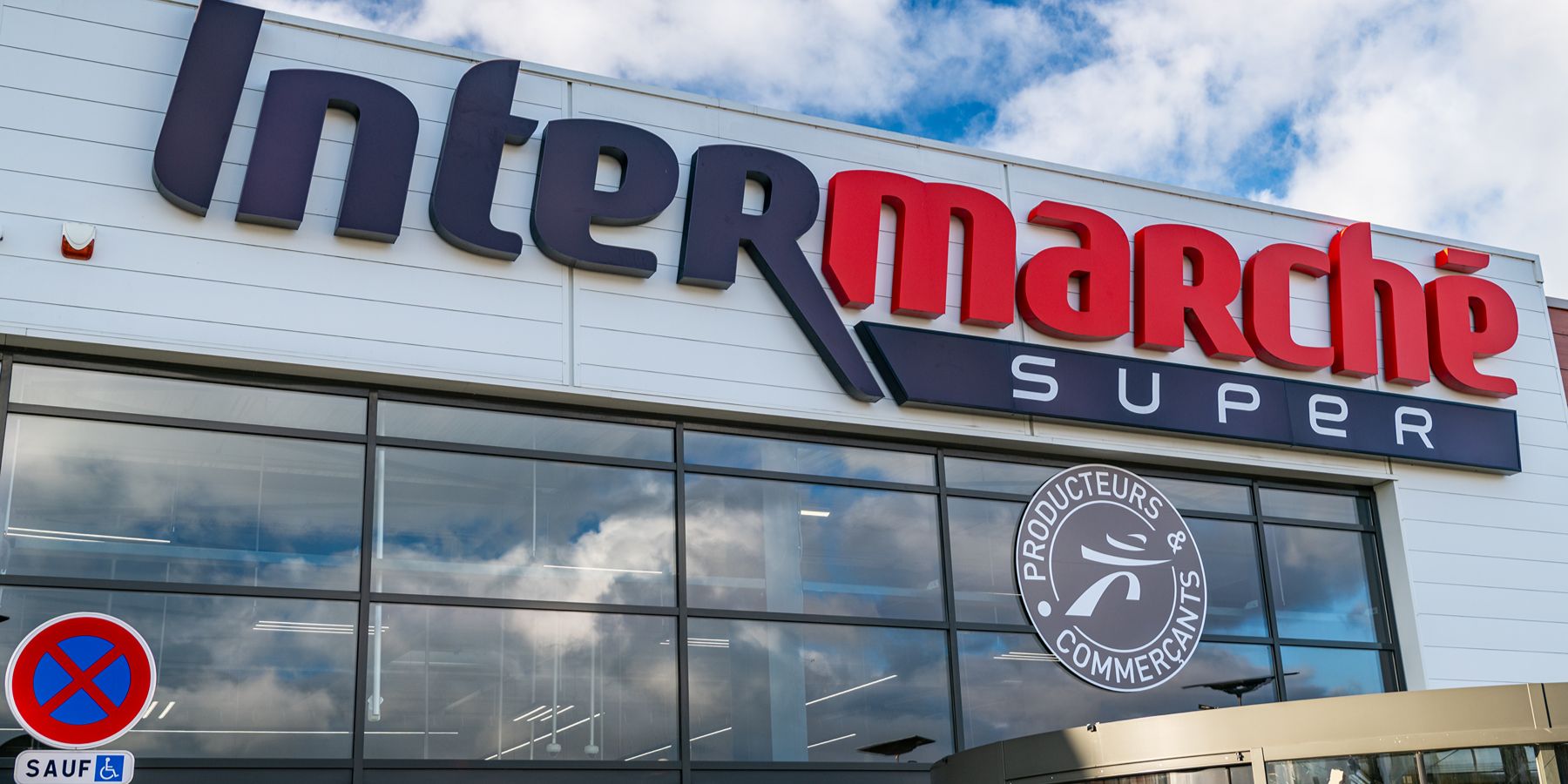
Last week, hackers accessed the refrigeration controls of Intermarché supermarkets across France , turning up the heat and destroying thousands of tons of food, as well as causing several fires. In a Q&A with InternetRetailing, Tom Hegel, distinguished threat researcher and research lead at SentinelOne, explains why he thinks the attacks could potentially be the work of a hostile state. Q: What makes you think the Intermarché refrigeration hack was state-backed? A: I’d call it a working theory at this stage. What points that way is what’s missing. Nobody has asked for a ransom, and no hacktivist group has come forward to claim an attack that hit hundreds of stores, which would be a huge publicity win for one. Switching fridges off overnight across several chains at once fits the cheap, deniable disruption Europe has been dealing with for years. Until French investigators publish their findings, I’d hold any attribution loosely. Is it possible to speculate which hostile state might be responsible for the attack? There is not enough public evidence to name a most likely state, or even establish that this was a state-directed operation yet. Russia’s documented record of sabotage in Europe makes it a reasonable hypothesis to investigate, but that history does not link Moscow to these attacks. Chinese state groups have established persistent access to critical infrastructure that we assess is intended to support future disruption. Iran-linked actors have also targeted exposed industrial controllers, including at US water facilities. Those precedents show that several states have relevant capabilities, but they do not establish responsibility for the newest refrigeration attacks.
Source link