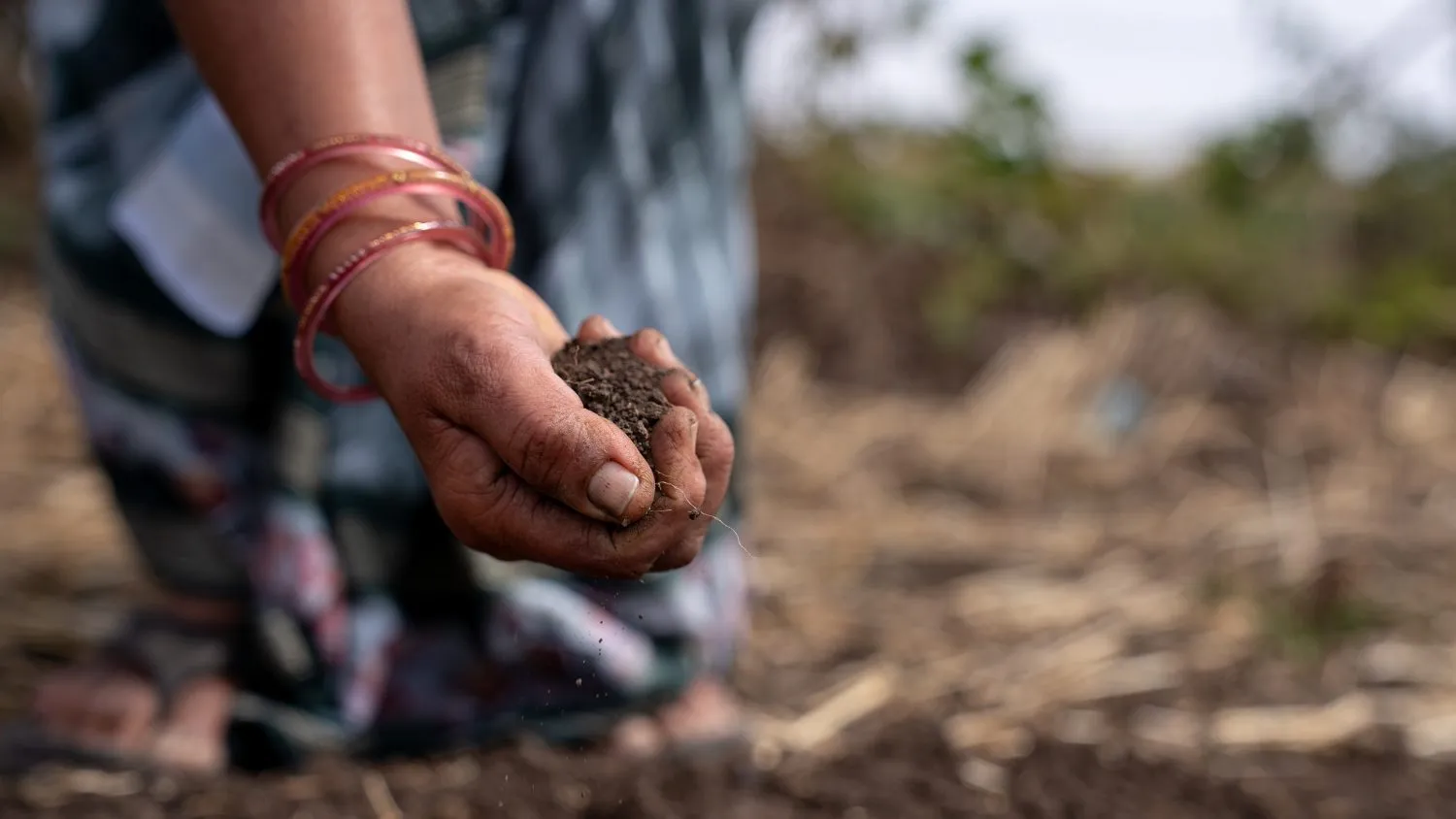
Regenerative farming methods are rooted in history. Although concepts like supporting soil health and protecting biodiversity are not novel, there has been a renewed push for these practices.
The Better Cotton Initiative (BCI) has long been focused on improving conditions in cotton farming through a combination of environmental and social principles. Now, it is taking this a step further by transitioning to a fully regenerative standards system, meaning all participating farms will commit to practices that actively improve nature.
Related Stories

Better Cotton Initiative Becomes a Regenerative Standards System
New York Backs Algae Sequins, Wool Waste in Textile Push
“Sustainability is now the floor, and we’re thinking of regenerative as the ambition,” said Eva Benavidez Clayton, senior director of demand and engagement at Better Cotton Initiative. “Even though regenerative does not have a universal definition, and there are different interpretations, we see it gaining ground across every major commodity. Many regenerative practices faded during the Green Revolution, but reviving them may be our best shot at reversing decades of degradation.”
As part of this introduction, BCI has updated its standard’s field-level Principles and Criteria and established a new Evidence Framework that will collect and report on data covering nine key areas: crop protection, soil health, water stewardship, fiber quality, smallholder livelihoods, climate change, biodiversity, women’s empowerment and decent work. Prioritizing continued progress, the latest version of the standard requires farmers to commit to a continuous improvement plan for three regenerative practices.
Since April 1, brands and retailers have been able to set regenerative sourcing targets through BCI in preparation for the new standard’s full implementation.
Source link