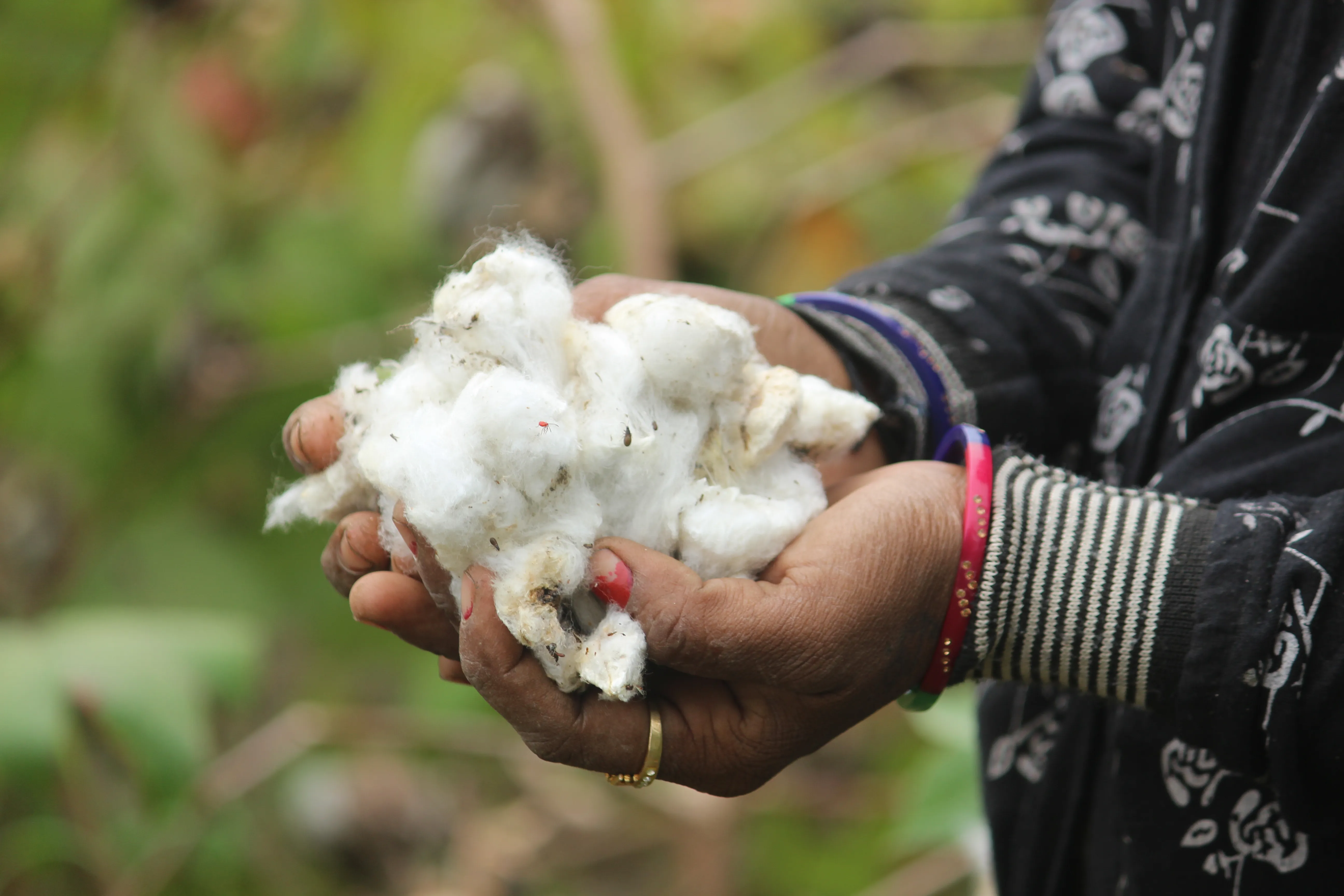
As the global fashion and textile sectors observe World Cotton Day on Oct. 7 under the theme “Cotton for Good: Building Prosperity Through Trade, Transformation and Partnership,” the industry stands at a critical juncture. Climate volatility, shifting regulatory pressures and economic uncertainty are rapidly transforming cotton farming from a traditional agricultural endeavor into a complex, high-stakes business challenge.
Ensuring supply chain resilience now requires more than environmental stewardship—it demands transparent partnerships that drive measurable outcomes and deliver real economic value to farming communities.
Related Stories

Better Cotton Initiative Touts Gains in Global Impact Report
SJ Fall Summit: The Benefits of Regenerative Cotton Farming
Here, Alison Ward, the CEO of the social enterprise CottonConnect, highlights how the organization is advancing sustainable agriculture at scale. From empowering female farmers and testing living wage models to replacing vague sustainability narratives with verifiable data, Ward outlines why the future of the cotton sector depends on aligning long-term environmental health with the prosperity of the people who cultivate it.
Sourcing Journal: How is climate volatility affecting cotton-growing regions and global supply chains?
Alison Ward: Climate volatility is no longer a future risk. It is already reshaping how and where cotton is grown. Across many sourcing regions, we are seeing increasingly erratic rainfall, prolonged droughts, floods, extreme heat and shifting growing seasons. For farmers, that creates uncertainty around yields and input costs. For brands, it creates uncertainty around supply, prices and long-term sourcing security.
The challenge is only set to intensify.
Source link