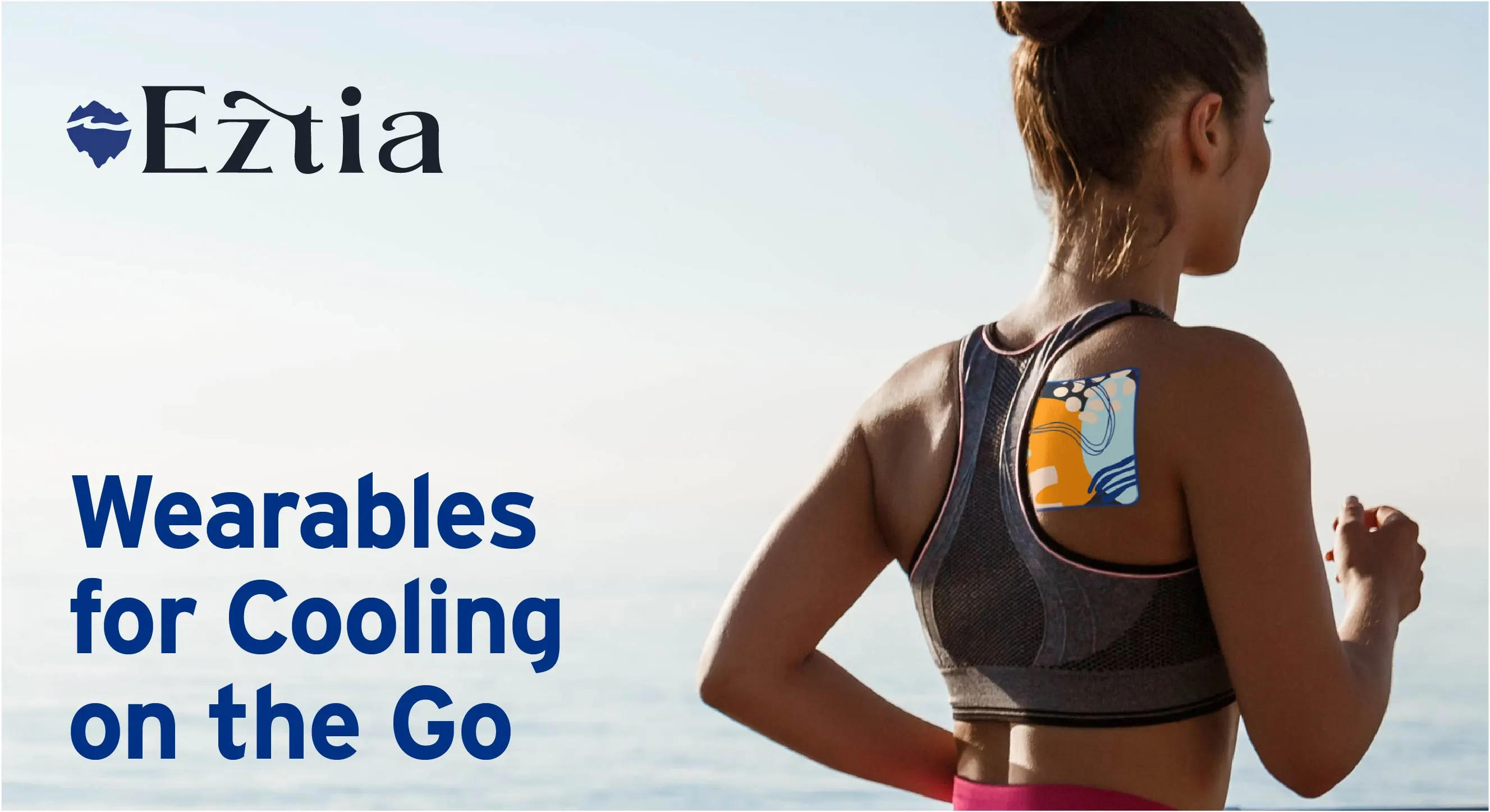
In October 2026, United States materials startup Eztia Materials expanded commercial testing of its HydraVolt wearable cooling technology across logistics, construction and public safety fleets in Japan and Singapore. The electricity-free fabric lowers skin temperatures by up to 10 degrees Celsius for as long as eight hours using water-activated evaporative cooling.
Delivery drivers at Yamato Holdings Co. Tested the material as arm covers during regional trials in Hokkaido, while construction group Kajima Corporation integrated the tech into workwear across building sites in Tokyo. The material requires no batteries, recharges through direct exposure to water, and endures standard machine laundering.
Founded by materials scientist and medical doctor Tiffany Yeh, Eztia manufactures the cooling polymer through a dedicated production base in Taiwan. The company began developing the compound from building and vaccine packaging insulation before adapting it for direct application to commercial textiles.
Early product iterations relied on detachable cooling patches and shirts with dedicated internal pockets. Eztia has since shifted to direct garment printing, applying the polymer onto apparel without altering the weight or washing requirements of industrial uniforms.
Cross-border venture capital firm Scrum Ventures backed Eztia to accelerate its field trials across commercial fleets in Japan. Beyond Yamato’s delivery network, regional programs in Hokkaido evaluated the cooling fabric in headwear for elementary school students and performance gear for the Hokkaido Nippon-Ham Fighters baseball club.
Outside Japan, government agencies in Singapore have deployed HydraVolt garments to equip police and corrections officers operating in equatorial humidity. United States construction contractors have also started running site trials for heavy infrastructure crews.
Source link