

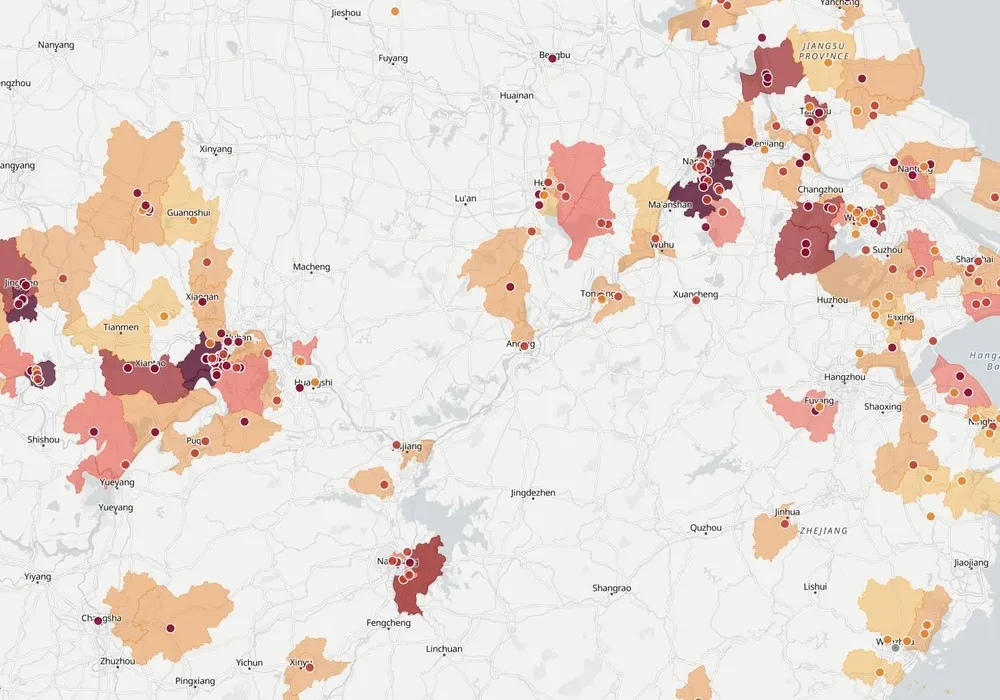
Daniel Murphy was investigating forced labor in Chinese seafood processing plants in 2023 when he hit upon what he described as a “very potent” methodology for flagging potential labor transfers from the Xinjiang Uyghur Autonomous Region.
Tracking the movement of Uyghurs and other repressed ethnic minorities from their homeland, he said, requires looking beyond government announcements, state media articles and other text-based material to videos and imagery posted on Chinese social media platforms, including workers’ own content showing them toiling on factory floors or appearing outside dormitories. Yet the risk signals in those posts have been “completely under-leveraged” by other risk intelligence solutions.
Related Stories

SJ Fall Summit: From China to Canada, How Trump's Tariff Agenda Keeps Fashion Guessing
Court of International Trade Weighs Arguments Against Trump's Forced Labor Tariffs
This more holistic view of human rights risk, which also provides a window into the lives of the people being exploited, formed the basis for Pamir Solutions, a company that employs a specialized compliance and risk management database to track state-imposed forced labor risks across China—not just within Xinjiang.
Beijing has pushed back against allegations of forced labor, saying its labor transfer programs are voluntary poverty alleviation measures aimed at improving living standards. Relying solely on Chinese state media, Murphy said, allows the government to control what companies learn about forced labor practices that could affect their supply chains.
S. Department of Homeland Security . The goal, he said, was to turn “fragmented evidence” into “clear, entity-level intelligence” that can help the Entity List Office identify companies implicated in the use or facilitation of forced labor.
Source link





