Gucci has begun manufacturing new sneaker models in China this season, departing from its longstanding practice of producing all footwear within Italy.
The move by parent group Kering marks the first time the luxury house has placed assembly of select athletic footwear lines directly into Chinese manufacturing hubs, targeting supply chain efficiency and regional technical capabilities.
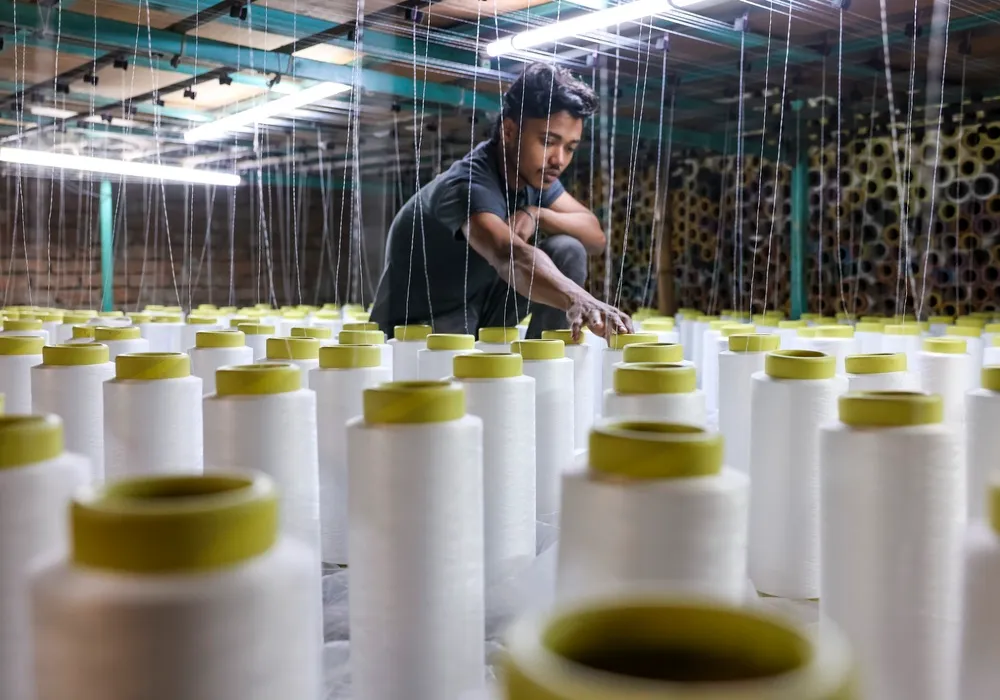
European luxury houses have historically defended the ‘Made in Italy’ label as a core pricing pillar. Gucci’s pivot to Chinese production lines reflects the technical dominance Asian facilities hold over complex athletic shoe construction. Technical footwear demands specialised tooling, bonding agents, and synthetic mesh engineering that Italian artisan workshops rarely handle at volume.
Kering, Gucci’s parent group, faces pressure to improve margins while defending market share in mainland China. Producing sneakers closer to Asian supply networks cuts shipping times and lowers unit assembly costs on high-turnover casual lines.
Consumer reaction across Asia will test how rigid luxury buyers remain regarding country-of-origin labels. Chinese luxury consumers increasingly prioritise product quality, technical execution, and brand relevance over traditional European manufacturing stamps. Younger buyers who purchase luxury streetwear sneakers evaluate comfort and silhouette ahead of heritage claims.
Other luxury competitors will watch the rollout closely. If Gucci maintains its retail price points without consumer backlash, rival houses will accelerate their own offshore manufacturing plans for technical categories. If shoppers resist, Gucci risks diluting the prestige that supports its footwear margins.
Sourcing sneaker production in China shortens logistics cycles between Asian factories and regional flagship stores. Direct domestic distribution lowers tariffs and inventory lead times across key East Asian markets.
Source link