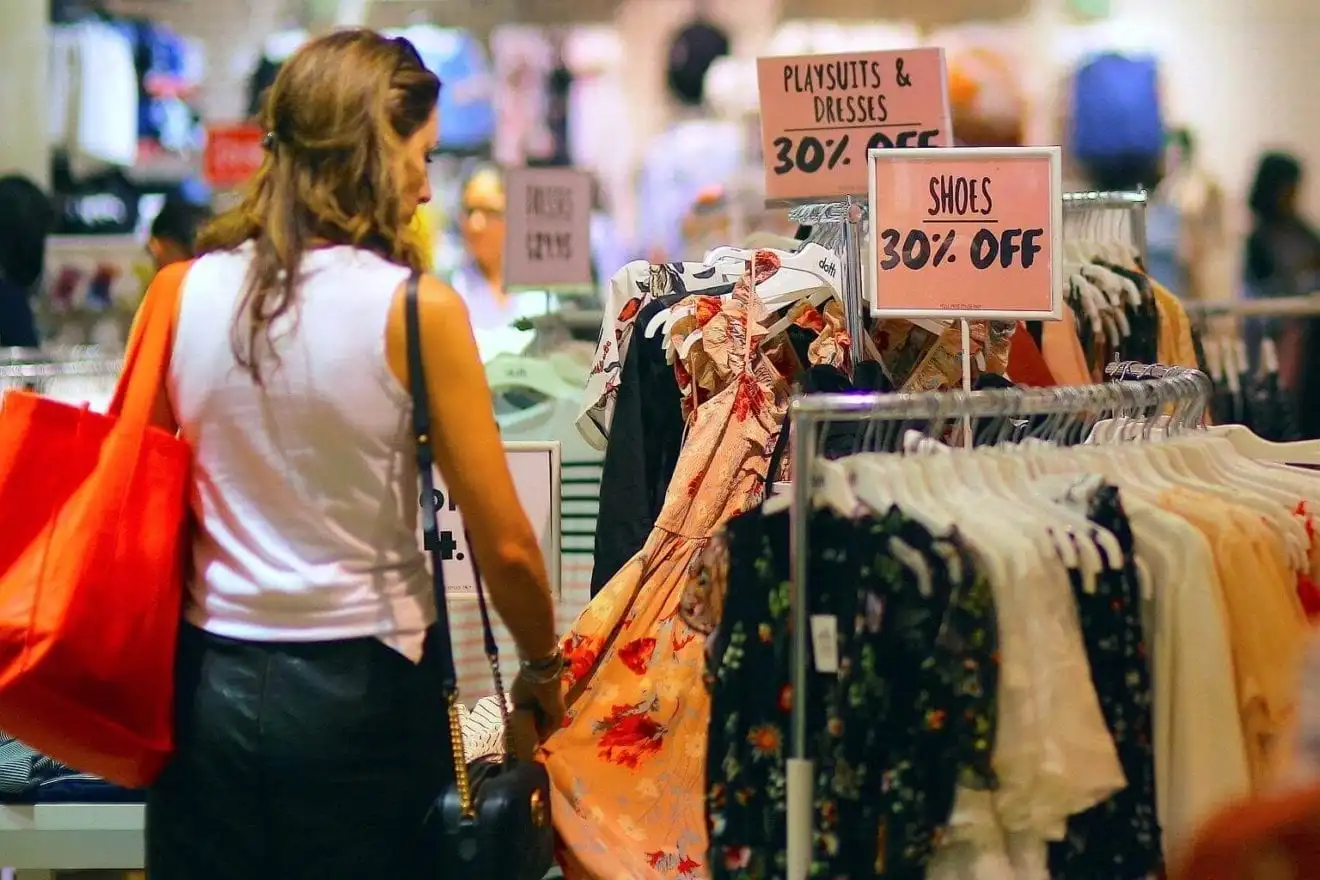
A survey by software company Genesys found that 85 percent of consumers globally have either spent less with a brand or stopped buying from it after experiencing poor customer service.
In the Philippines, a 2025 study by market research and analytics firm Milieu Insight revealed that 55 percent of online shoppers are more likely to buy from sellers who communicate responsively and provide timely updates.
Okada Manila, Grand Hyatt Manila and Dior led the overall rankings in the Philippine Daily Inquirer and Statista Philippines’ Best Customer Service 2027 study, which evaluated 306 companies across 78 categories based on more than 90,000 customer assessments.
Customer recommendation rates drove half of each brand’s overall score. The remaining weight evaluated five touchpoints: system accessibility, customer focus, clear communication, professional competence, and the range of services at checkout and post-purchase resolution.
Automated support systems create retention risks when software fails to track customer history across channels. Twilio research shows 73 percent of Filipino consumers encounter automated systems that lose earlier context.
Losing that thread carries a direct cost. When bots drop conversational history, 73 percent of affected local shoppers abandon them to find human staff or cancel the purchase. For 4 percent, repeated technical friction prompted an immediate, permanent exit from the brand.
Philippine store operators and e-commerce platforms must treat support infrastructure as core merchandise rather than back-office overhead. Merchants who replaced floor staff and help desks with uncalibrated bots face rising cart abandonment.
Most friction occurs during the handoff between automated triage and live resolution.
Source link