

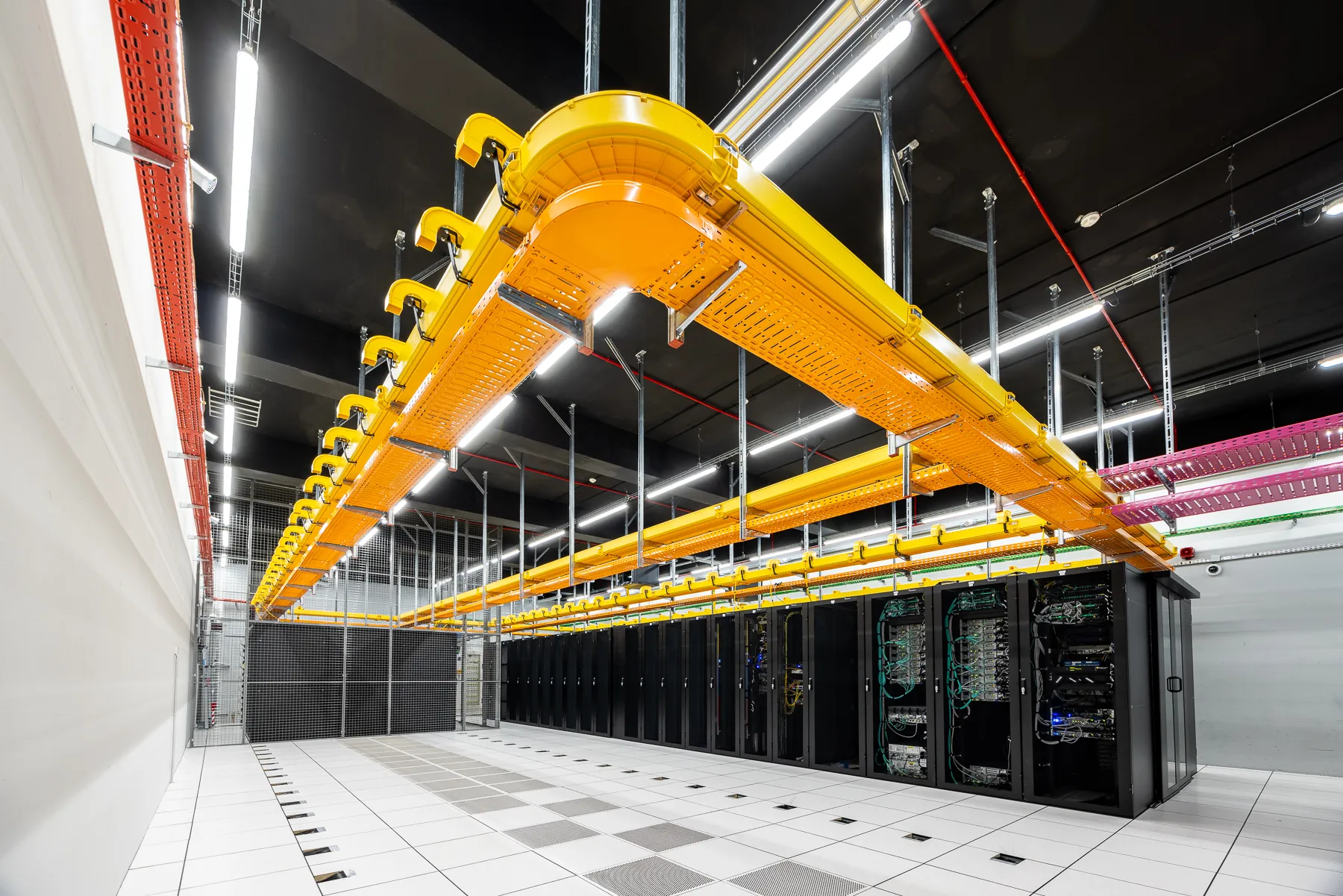
Cumulative global spending on artificial intelligence data centres will reach 30 trillion dollars by 2050, exceeding the capital poured into any previous technological transition in modern economic history.
That outlay projection from PwC puts infrastructure commitments on par with the entire market value of outstanding United States Treasuries. The scale of investment eclipses the capital deployments seen during the nineteenth-century railroad expansion and the late-1990s internet boom, even after adjusting for historical inflation.
Tech companies and sovereign funds are committing capital to server capacity, specialised chips, and power generation at a pace that demands rapid commercial returns. The sheer volume of hardware spending means enterprise software buyers now face pressure to prove that automation cuts operating costs faster than the infrastructure depreciates.
Data centre developers are also running into physical bottlenecks across regional power grids. In major markets, server farms are competing directly with residential housing sectors for high-voltage electricians, base-load electricity contracts, and industrial water allocations required for cooling compute clusters.
Corporate adoption is altering cost structures across regional businesses, though initial savings frequently push expenses into other parts of the balance sheet. In retail and supply chain operations, automated inventory tracking and customer service systems reduce direct headcount while increasing technical compliance and software licensing overhead.
The labour impact has hit external service providers first. Enterprise data compiled by fintech platform Ramp shows companies that spent heavily on freelance contractors cut those budgets by 97 per cent after switching task workflows to generative software. The transition eliminated costs for translation, graphic design, and basic coding without requiring formal corporate restructurings or severance payouts.
Source link





