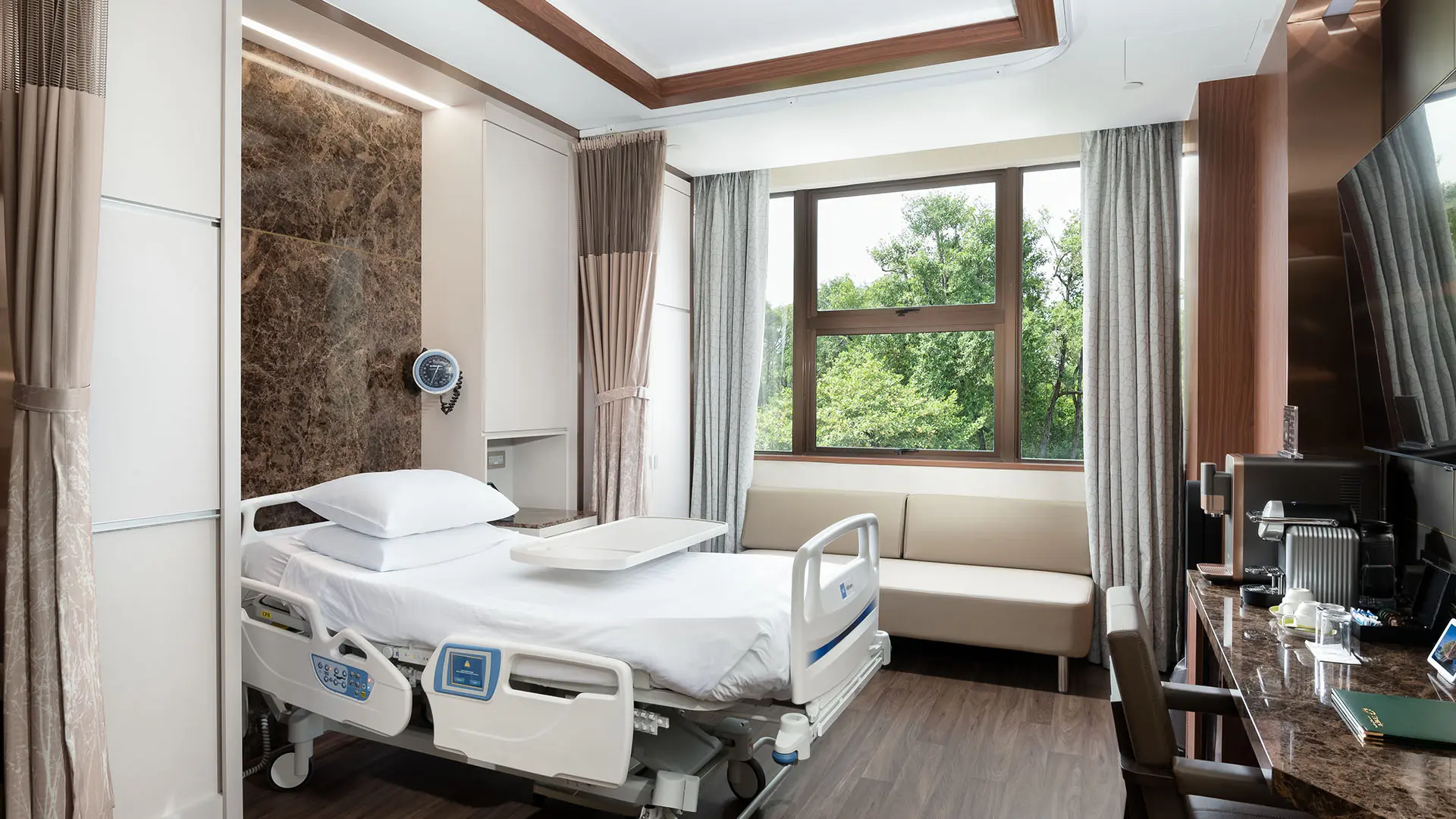
In April, Gleneagles Hospital carried out Hong Kong’s first two clinical trial procedures using histotripsy to destroy pancreatic cancer tumours in patients for whom conventional surgery was unsuitable.
In one case, doctors targeted both the primary pancreatic tumour and cancer that had spread to the liver during the same procedure using precisely targeted sound waves.
Dr Neal Kassell, founder and chairman of the US-based Focused Ultrasound Foundation, estimated that clinical trial results for pancreatic and brain cancers could emerge in about three years, predicting global machine deployments could rise from roughly 2,000 to 10,000 systems within five years.
Clinical evidence covers 196 potential medical indications across neurology, oncology, and pharmacology, according to data from the Focused Ultrasound Foundation. Twelve of those indications advanced to first-in-human clinical trials last year. More than one million patients have received focused ultrasound therapies globally to date, with annual treatment volumes reaching approximately 75,000 cases.
Hospital operators face steep upfront hardware costs and slow physician onboarding. In Hong Kong, treatment access relies heavily on private philanthropy to bridge gaps in public health insurance. Eligible liver cancer patients receiving histotripsy at Gleneagles pay HK$50,000 (US$6,374) under a subsidy funded by the Li Ka Shing Foundation.
Specialist consultations and preliminary liver ultrasound assessments add between HK$4,300 and HK$5,400 to out-of-pocket patient expenses. Without formal public reimbursement or standardised private insurance schedules, hospital adoption across private healthcare chains in Southeast Asia and East Asia remains confined to flagship research centres.
Beyond thermal and mechanical tumour ablation, clinical teams are testing low-intensity sound waves to deliver pharmaceuticals directly into brain tissue.
Source link