

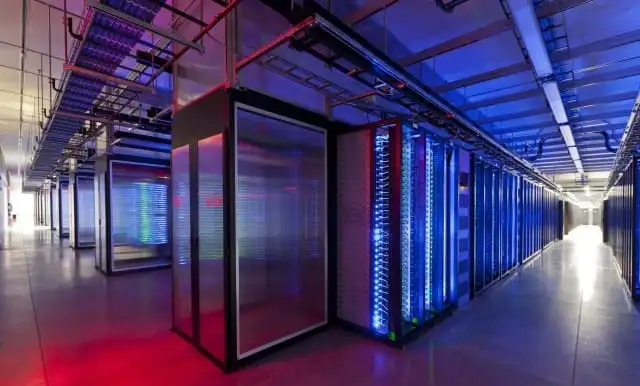
In September 2026, member operators in the Data Center Operators of the Philippines alliance began accelerating infrastructure upgrades to support domestic digital resilience.
Local facilities are moving from single-digit kilowatt densities toward higher-density, AI-ready configurations to support mobile banking, telecommunications, e-commerce platforms, and government services.
Domestic operators in the Data Center Operators of the Philippines are investing in enterprise colocation instead of multigigawatt training hubs. Their sites serve commercial banks, retail platforms, telecommunications routing, and public sector administrative portals. These clients require local compute capacity rather than hyperscale training estates.
The buildout focuses on multitenant sites in business hubs and industrial zones. Active operators include AFlow, Digital Halo, Digital Edge, ST Telemedia Global Data Centres, VITRO, and YCO Cloud.
Server racks now pull more power per square meter, changing engineering requirements inside local halls. Operators are installing closed-loop chilled water cooling systems. These systems recirculate water internally to curb intake and ease municipal utility pressure.
Power delivery bypasses residential distribution lines entirely. Commercial facilities buy electricity through Retail Electricity Suppliers under national retail competition rules. They connect directly to subtransmission voltage lines to keep heavy industrial loads off household networks.
State policy is accelerating colocation adoption across Manila and adjacent provinces. Executive Order No. 119 mandates that restricted-access government records remain within national borders. Public agencies and affiliated vendors must now contract local data halls.
Keeping workloads onshore cuts transit latency, prevents foreign exchange exposure, and satisfies financial regulatory standards. Colocation providers offering high power density in existing footprints will secure the largest share of this sovereign traffic.
Source link





