

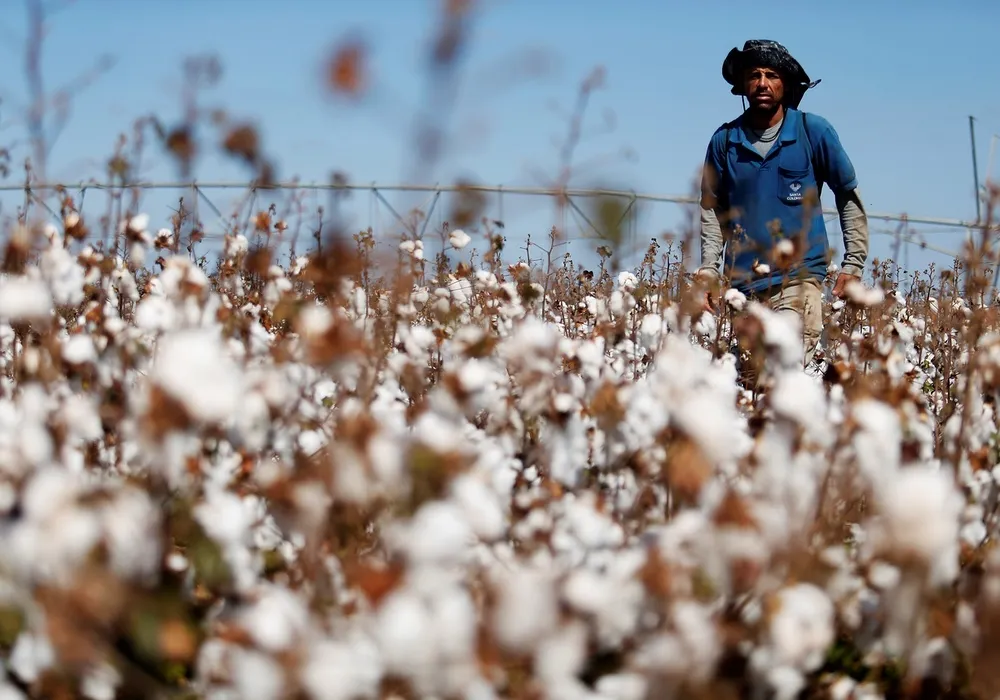
Cotton traceability takes more than high-tech solutions. It also requires something far simpler: talking to the people who grow it.
That’s the case longtime denim professionals Ani Wells and Anne Oudard make in “Step 4,” the latest installment of their five-year #WhoMadeMyCotton investigation into where the cotton in jeans—among the world’s most widely worn garments—comes from.
Published on World Cotton Day, the report draws on field visits and conversations in Brazil, India and Turkey to argue that transaction records alone cannot reveal the conditions in which cotton is grown. To get the full picture, the authors say, brands must engage with farmers and the communities that support them.
Related Stories

How Climate Resilience and Measurable Impact Are Reshaping the Global Cotton Value Chain
Better Cotton Initiative Touts Gains in Global Impact Report
“Farmers don’t operate in isolation,” said Oudard, a former designer and lead of sourcing and supply chain at Cotton Diaries, a community and storytelling platform dedicated to making cotton systems more equitable and resilient. Their wider ecosystem includes field workers, seasonal workers, input suppliers, agronomists, university researchers, local traders and ginners.
The problem isn’t necessarily a lack of information, but how it’s recorded and shared, she said. While much of the data needed to trace cotton to farmers is already recorded at the cotton gin, it rarely travels further down the supply chain, particularly after batches of cotton are blended.
Gins, Oudard said, sit at the crucial junction where agricultural output becomes textile industry input.
Source link





