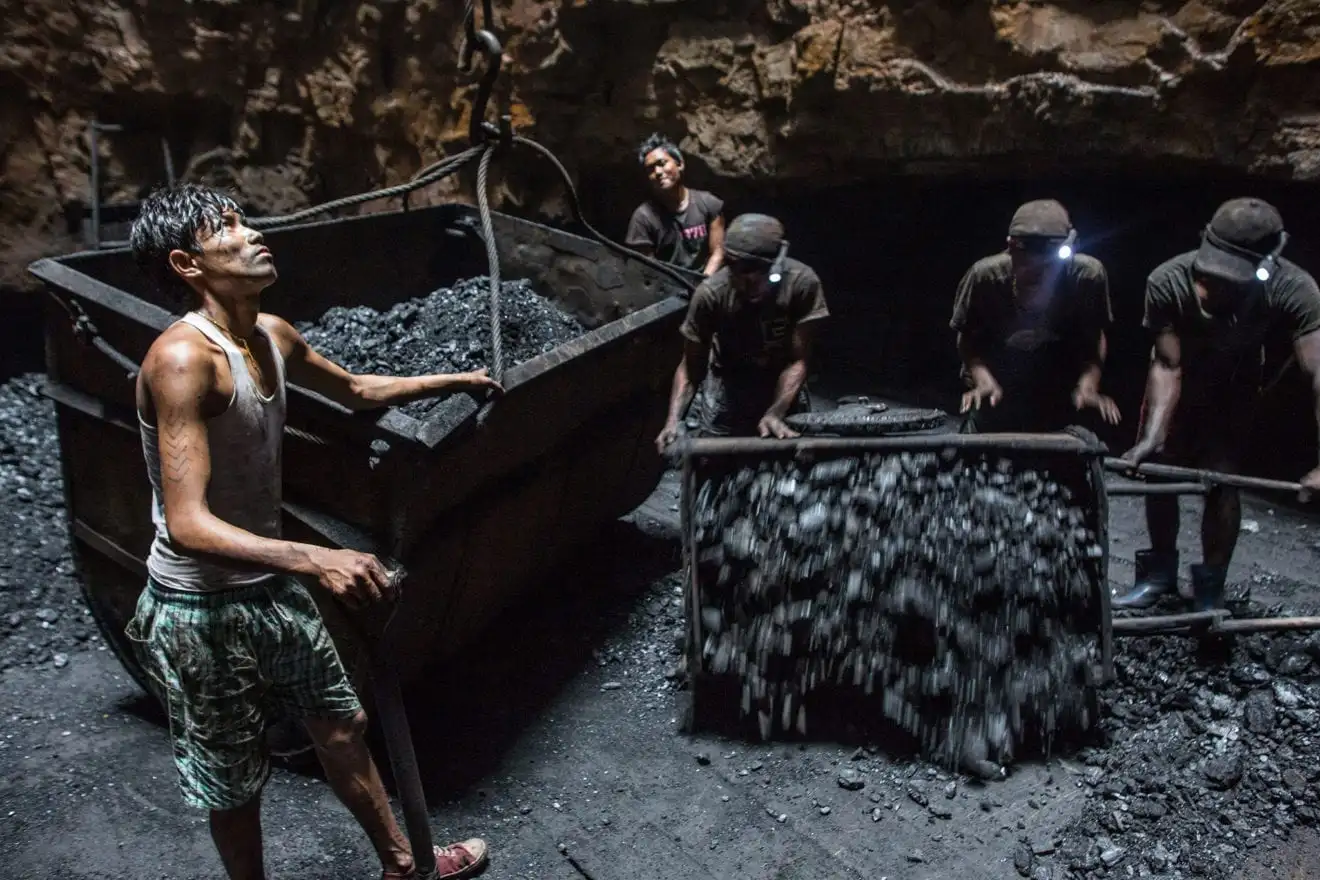
China cancelled 61.5 gigawatts of planned overseas coal-fired power capacity over the past five years. The drop eliminates two-thirds of its international pipeline following state restrictions on fossil fuel financing.
The cutbacks averted an estimated 6.4 billion tonnes of lifetime carbon dioxide emissions across Asia and Africa. The figure comes from joint research by the Centre for Research on Energy and Clean Air and People of Asia for Climate Solutions.
State-owned Chinese banks and construction groups withdrew from public utility projects worldwide. Host governments and developers cancelled 3.4 gigawatts in Zimbabwe, 1.7 gigawatts in Bangladesh, and 1.4 gigawatts in Indonesia in the twelve months leading to July. Total cancellations across all markets reached 7.1 gigawatts over the past year.
Public developers accounted for nearly all the dropped capacity. Beijing ordered state-owned enterprises and state policy banks to halt outbound coal development. That directive stranded dozens of early-stage power purchase agreements negotiated during the prior decade.
Indonesia remains the primary market for Chinese-backed thermal projects, hosting 17.1 gigawatts of operational, planned, or active construction capacity. Vietnam follows with 3.8 gigawatts. Pakistan retains 3.4 gigawatts of China-linked coal generation.
Project momentum slowed over the last twelve months. While developers terminated 7.1 gigawatts of coal projects, another 3.3 gigawatts broke ground. A further 20.5 gigawatts remained active in planning stages across developing markets.
Private capital accounts for nearly the entire remaining construction pipeline. In Indonesia, private Chinese industrial groups continue to construct off-grid captive coal plants. These sites power remote mineral processing facilities and industrial estates.
Source link