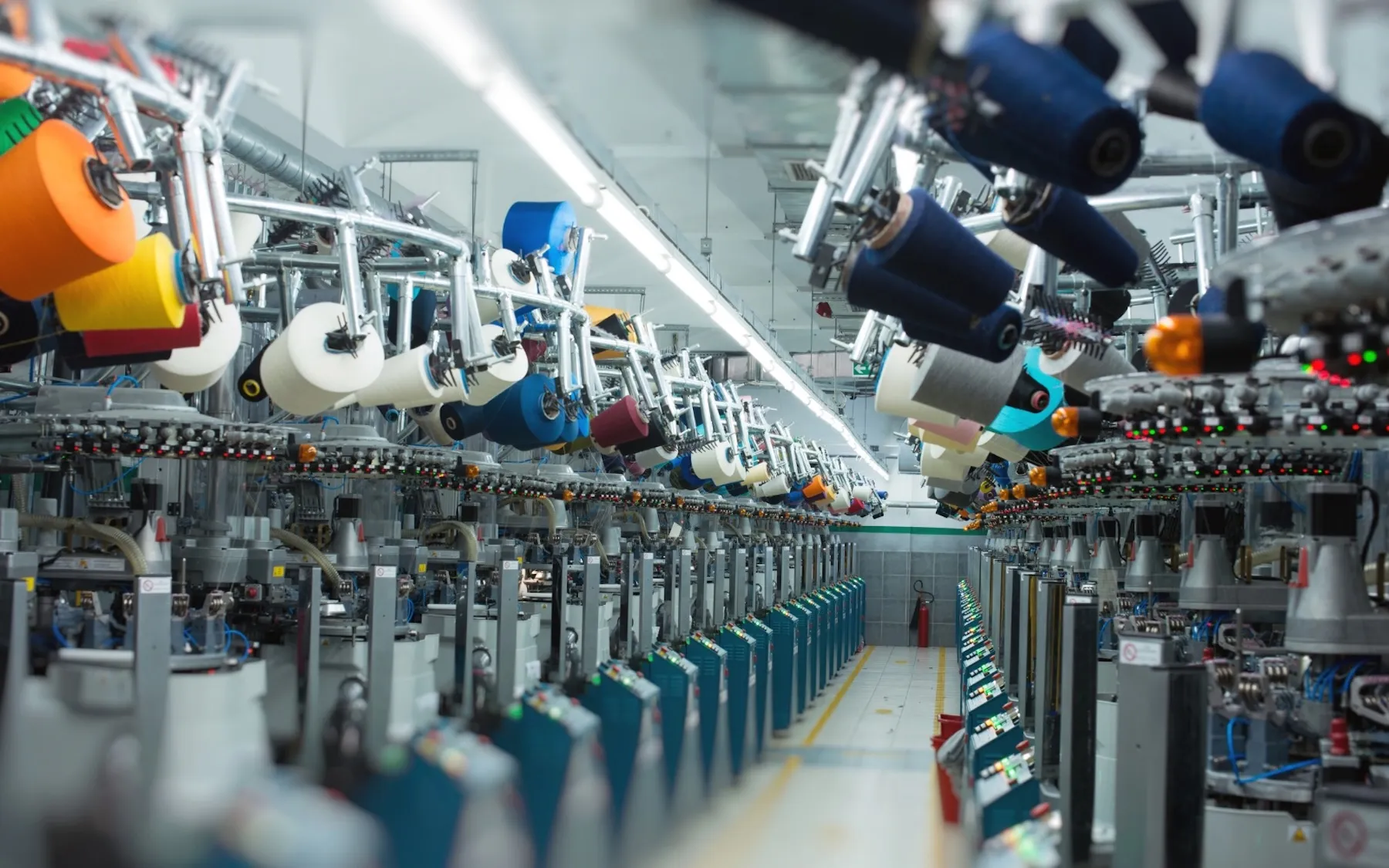
Factories that regularly completed Cascale’s Higg environmental assessment recorded a 22 percent drop in emissions from their operations and purchased energy over four years, the industry group reported on Thursday.
Cascale released the findings alongside the 2026 edition of its Higg Facility Environmental Module, which suppliers use to share environmental data with brand customers through Worldly. The figure covers Scope 1 and 2 emissions, from fuel burned in factory boilers to electricity purchased from the grid.
Related Stories

Nike, CMA CGM Launch Vietnam's First Fully Electric Container Barge
How Jeanologia's Sustainability Investments Align With the EU Taxonomy
“The latest impact data proves that consistent, long-term engagement leads to real-world results, with facilities demonstrating a 22 percent reduction in Scope 1 and 2 emissions as their tenure grows,” said Maravillas Rodriguez Zarco, vice president of tools and data at Cascale. The nonprofit did not specify how many factories it tracked, whether it compared participants with other factories or whether the 22 percent decline was in total emissions or emissions per unit of production.
The Apparel Impact Institute put global apparel supply chain emissions at about 1 billion metric tons of carbon dioxide equivalent in 2024, up 6.3 percent from 2023. The main reason, the group found in its September report, was that clothing makers used more fiber, especially polyester.
Cascale also looked at how many factories could document basic practices such as keeping permits current, maintaining a chemical inventory and tracking wastewater. Among first-time filers, 24 percent met every applicable requirement, compared with 37 percent of factories in their fifth reporting cycle.
Source link