CONNECT WITH US
eCommerce

eCommerce

Can Fashion Make the Business Case for Sustainability?

WWD logo

Published on

Add as a preferred source on Google
Can Fashion Make the Business Case for Sustainability?

If there was one question that reverberated again and again—and again—across fashion discussions throughout New York Climate Week in late September, it was: “Is there a business case for this?”

It’s by no means a novel question, nor is it one that hasn’t already been asked a thousand times. But it was also born of the rude realization that the old kumbaya approach isn’t working anymore. To get the necessary corporate buy-in—it’s the business of business, after all, that generates the vast majority of global greenhouse-gas emissions—sustainability advocates are increasingly using the language of growth, resilience and returns.

Related Stories

Garnet Hill launches its resale marketplace called Garnet Hill Second Nature.
Sustainability

With Resale, Garnet Hill's Preloved Garments and Beddings Are Ready To be Loved Again

TEMPLIN, GERMANY - AUGUST 03: In this aerial view, a mixed forest that includes pine, beech and oak trees stands on August 03, 2026 near Templin, Germany. Many German forestries are seeking to shift away from the monocultures of pine, some of which were first planted two centuries ago, towards mixed forests that include native deciduous trees. While pine offers commercial advantages due to its fast growth, it is much more susceptible to wild fires, as made clear by the recent catastrophic fires in the Gironde region of southwestern France. Global warming is having a particularly strong effect in Europe, with longer, hotter and drier summers becoming the norm. (Photo by Sean Gallup/Getty Images)
Sustainability

Canopy, a Nonprofit, has a Business Case to Make

“Three years of selling organic cotton shorts on the internet has taught me one thing: people do not buy shorts to save the ocean,” Garrett Wilson, co-founder of Ryker Clothing Co., a brand that makes 100 percent natural-fiber gym clothing and underwear, said at the Regenerative Textiles Forum, organized by community platform Why Regenerative. “People ultimately buy clothes because, No. 1, they think they look good. And that’s why people buy our clothes.”

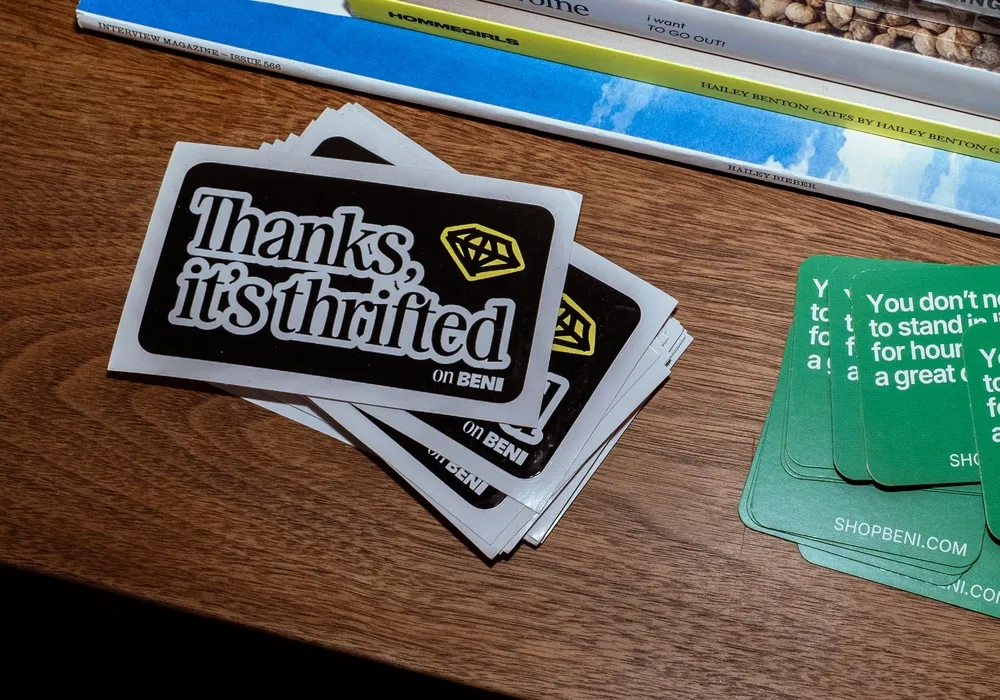
Indeed, sustainability is the “gift with purchase” that “makes people feel good” rather than the “ultimate motivator of behavior,” as Kate Sanner, founder and CEO of resale-shopping app Beni, put it at the Building Fashion’s Circular Future: Buy-In, Consumer Behavior and Programs That Scale event hosted at No. 29 Communications’ office.


Source link

Disclaimer

We strive to uphold the highest ethical standards in all of our reporting and coverage. We TheMorningPulse.fyi want to be transparent with our readers about any potential conflicts of interest that may arise in our work. It's possible that some of the investors we feature may have connections to other businesses, including competitors or companies we write about. However, we want to assure our readers that this will not have any impact on the integrity or impartiality of our reporting. We are committed to delivering accurate, unbiased news and information to our audience, and we will continue to uphold our ethics and principles in all of our work. Thank you for your trust and support.




