

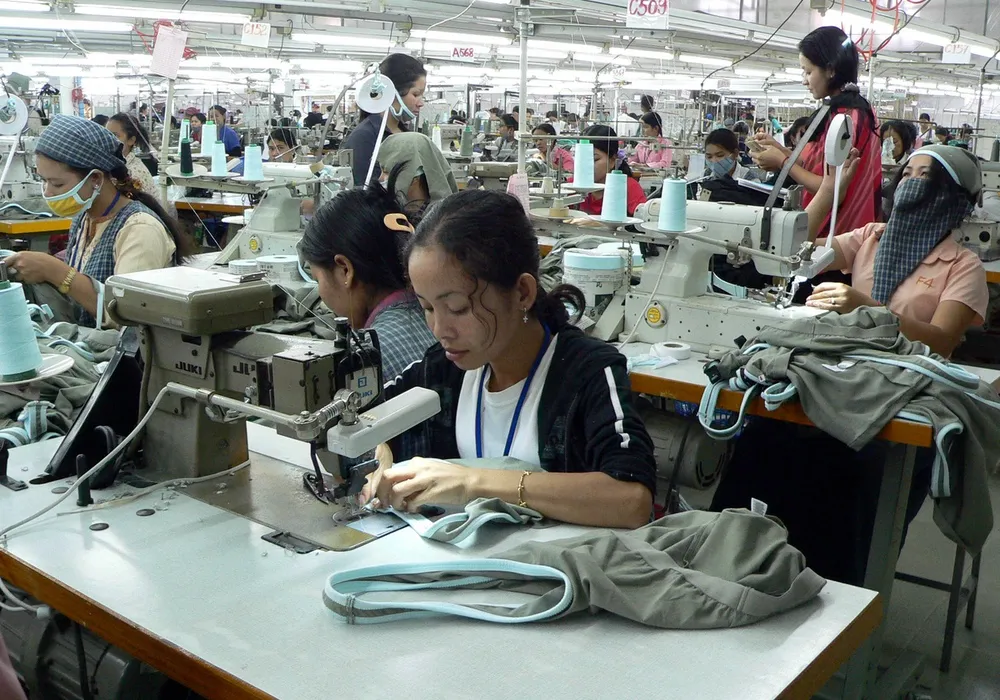
Khun Tharo, a Cambodian labor rights advocate and program manager at the Center for Alliance of Labor and Human Rights, is disappointed, if not surprised, that Cambodia’s minimum wage for workers in the garment, textile, footwear and travel goods sector will barely budge in 2027.
It was at the final meeting of the National Minimum Wage Council last Wednesday that an overwhelming majority of its members—47 out of 51—voted to keep the minimum wage at $210 rather than raise it for next year. While Prime Minister Hun Manet subsequently added $2, bringing the monthly total to $212, the amount still fell short of the $250 that workers’ representatives had sought. Even with benefits, workers’ total monthly pay will range from $231.50 to $242.50 in 2027, which Tharo said isn’t enough.
Related Stories

Patagonia Shifts Living Wage Strategy After 2025 Goal Falls Short
Fashion's Living Wage Promises Still Outpace Workers' Pay
“Cambodian factory workers deserve a living wage, not a survival wage,” he said. “While wages have failed to keep pace with rising prices due to inflation, workers are struggling to afford even basic necessities, with a bowl of rice now costing around $2. Cambodian workers should not have to sacrifice food, take on debt or work excessive hours just to meet basic needs.”
Tharo is far from alone in that sentiment. The Center for Alliance of Labor and Human Rights joined more than 80 unions and civil society organizations, including the Asian Floor Wage Alliance and the Clean Clothes Campaign , on Monday to issue a joint statement expressing their frustration with the vote, which they said raised questions about the “independence, transparency, integrity and effectiveness” of the National Minimum Wage Council in carrying out its mandate.
Source link





