Australian food and non-alcoholic beverage prices climbed 3.2 per cent in the year to September, accelerating from 3 per cent in August as grocery price movements split sharply across individual categories.
Official figures from the Australian Bureau of Statistics show that while overall grocery inflation has eased from its peak of 9.2 per cent in late 2022, category-level volatility is dictating basket costs for supermarket operators and hospitality venues.
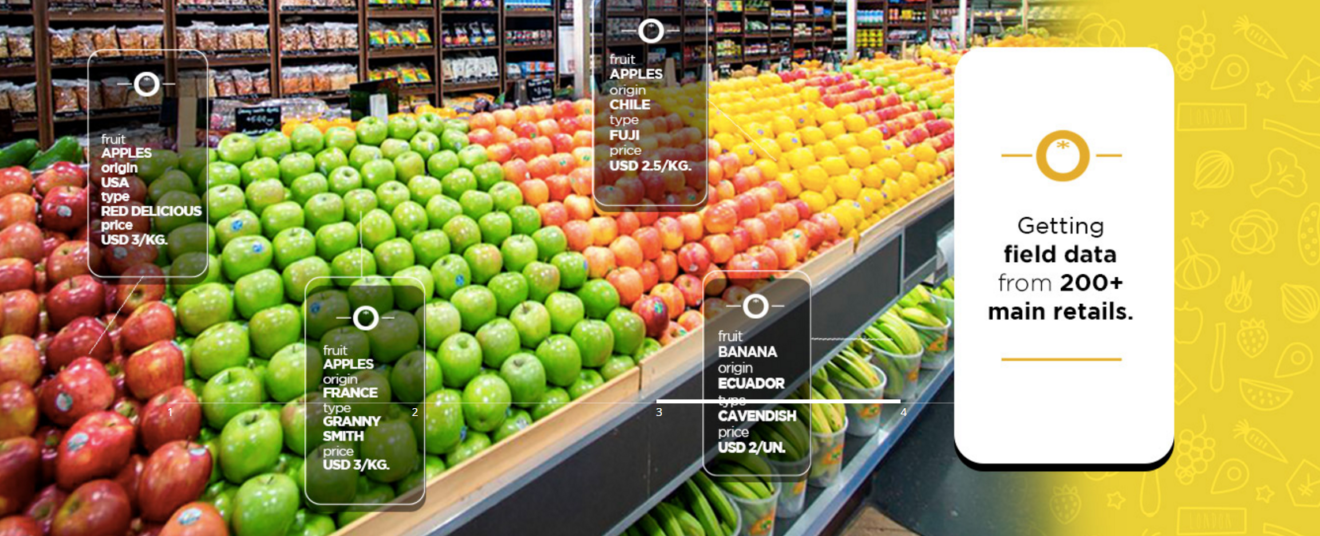
The headline pace hides wide gaps on the shelves. Fruit prices jumped 10.2 per cent over the 12 months to September, and beef and veal rose 5.8 per cent. Milk prices climbed 5.4 per cent over the same period, while dining out and takeaway food recorded a 3.9 per cent increase. By contrast, pork prices declined, giving retail buyers brief relief in an otherwise climbing protein basket.
RaboResearch senior food analyst Michael Harvey pointed out that price shifts are no longer running evenly through the aisles. “Rather than broadbased inflation across the supermarket basket, we’re now seeing much greater divergence between categories,” Harvey said.
Cost pressures upstream threaten to erase recent stability for commercial kitchens and supermarket suppliers. Countrywide Foodservice Distributors, an industry group representing almost 100 distributors that serve 80,000 businesses and institutions across Australia, warned that domestic operators can no longer absorb rising operational overheads.
The group projects an average increase of 7 per cent across food and beverage lines. Mounting freight outlays, higher fuel expenses and a global squeeze on synthetic nitrogen fertiliser linked to conflict in the Middle East are lifting farmgate input costs.
Source link