

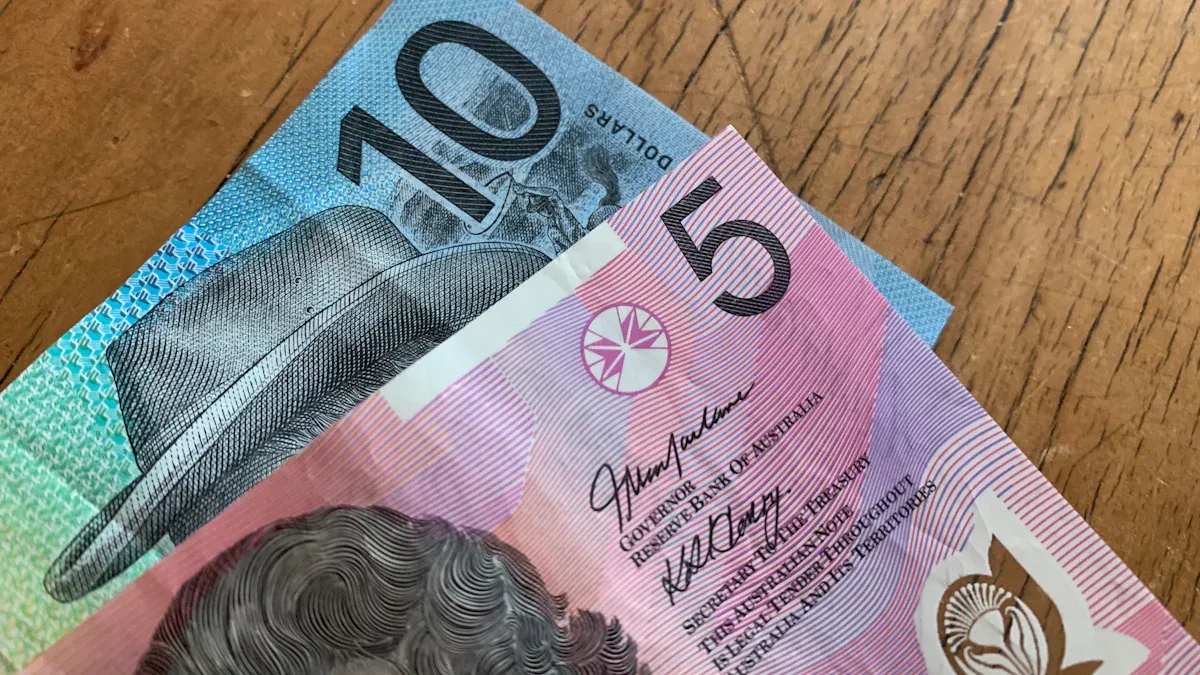
Australian authorities detected 40,613 counterfeit banknotes in the 12 months to March 31. That pushed fake cash rates to their highest level since June 2018.
The detection rate reached 20 notes per million in the March quarter. That is up 277 per cent in 15 months from a low of 5.3 notes per million in December 2024. Reserve Bank of Australia data shows fifty and one hundred dollar denominations accounted for 95 per cent of all seized counterfeits.
Criminal syndicates are targeting high-turnover consumer businesses to convert fraudulent high-denomination notes into genuine legal tender and merchandise. Retailers receive zero reimbursement for accepted fake bills. Store operators absorb the full direct loss at the point of sale.
Border authorities identified international logistics networks as the primary conduit for the influx. The Australian Border Force reported that counterfeit currency worth millions entered the country through air cargo consignments and international postal streams starting in early 2025.
Importers are using more sophisticated physical concealment inside regular freight to bypass automated border screening. Law enforcement agencies warned that manufacturing standards have climbed. The higher quality makes fraudulent bills harder for retail cashiers to identify during fast transactions.
Officials noted there has been a concerning improvement in the quality of counterfeit notes entering distribution channels.
Regional retail stores, independent service stations, and hospitality venues face the sharpest exposure. In August, South Australian police charged a 32-year-old man for allegedly circulating bogus $50 bills across licensed venues, a petrol station, and shops in Mount Gambier.
Queensland police made a separate arrest in Roma after an individual allegedly passed counterfeit $50 notes across two discount variety stores before trying to use another at a local hotel.
Source link





