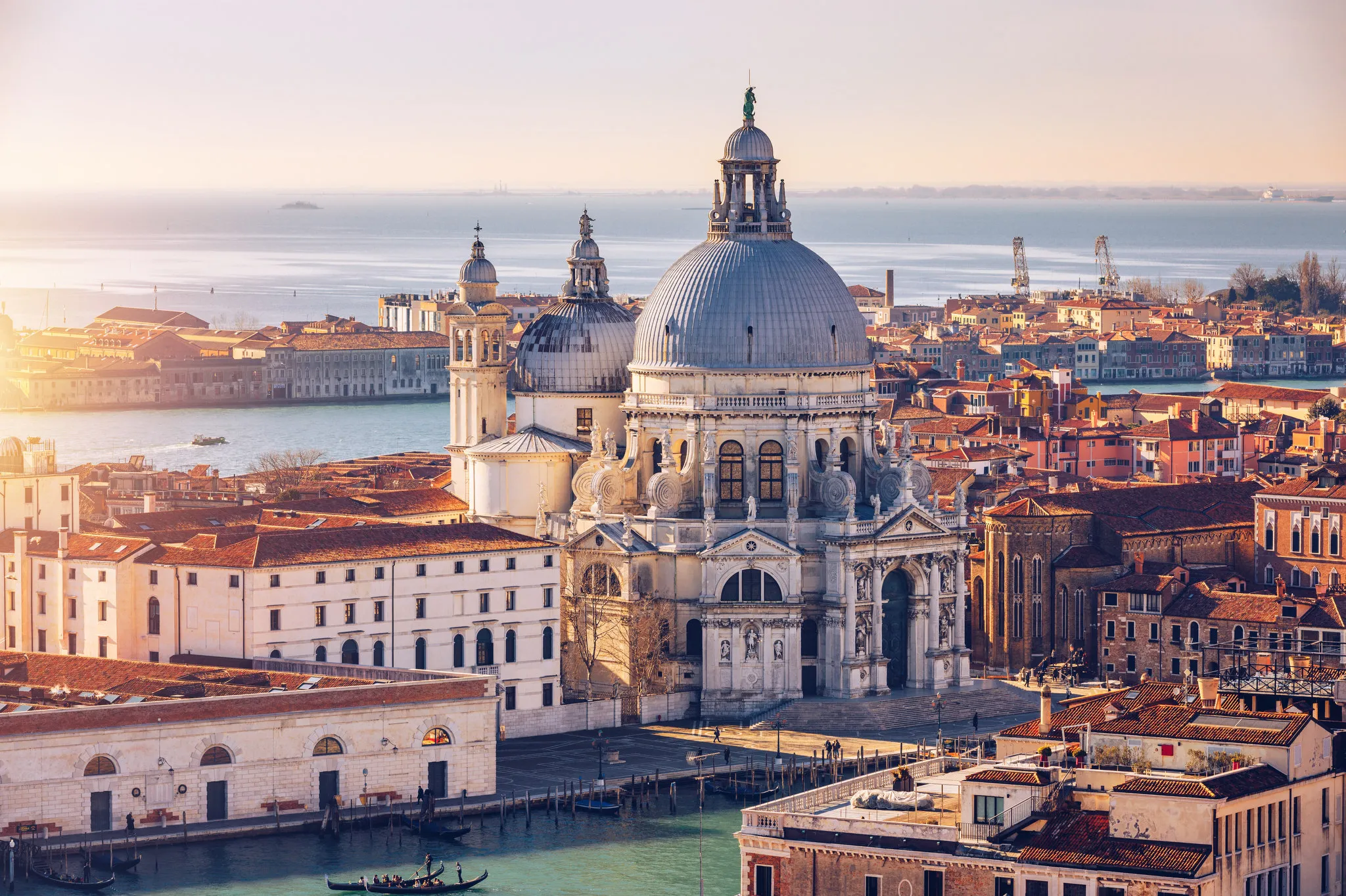
The two-day, fifth edition of the Venice Sustainable Fashion Forum took a deep dive into how the fashion supply chain can achieve tangible targets amid disruption.
VENICE, Italy — The fashion and textile sectors in Europe are navigating complexity.
Interconnected supply chains, geopolitical turmoil and inflation, AI’s impact on jobs, and climate change’s ripple effects on global consumption patterns are collectively scuppering the tried-and-tested playbook.
The next chapter in the sector’s sustainable journey will be written through innovation. Moving the needle forward will require greater cooperation, greater investment and broader adoption of technology, observers agree.
“The economic and financial viability of this industry is back at the center of the conversation. This is a matter of competitiveness, geopolitics, legality, human capital and technology — all part of the same industrial policy, that must be framed at a European level,” said Confindustria Moda president Luca Sburlati, kicking off the fifth edition of the two-day Venice Sustainable Fashion Forum held here at the Fondazione Cini.
The Italian association was among the organizers of the event alongside Confindustria Veneto Est.
“If we don’t address these issues, the consequences won’t be limited to us; they’ll affect the entire global supply chains that depends on us,” he said.
A study by consultancy The European House Ambrosetti, or TEHA Group, titled “Just Fashion Transition 2026,” provided a candid picture of where the fashion sector stands in its journey of transformation.
The industry is pressured by competitiveness, while Made in Italy seems no longer a byword for responsibility, as labor abuse cases have rocked the industry and shaken its reputation.
Source link