This2Shell, That2Shell, Everything2Shell. That's pretty much how the last week went. Critical bugs that let attackers run code remotely are showing up everywhere. Hackers are scanning for targets, some flaws are already being used in attacks, and security teams have more urgent patches than they can keep up with.
And that's not even the full story. A leaked key led to a software supply-chain attack. AI agents are being tricked into following harmful instructions. Old bugs are still being used to break into systems, and some attacks are so simple it's hard to believe they still work. Some websites even went offline to avoid taking chances.
It's been a rough week for anyone trying to keep systems safe. Here's what happened.
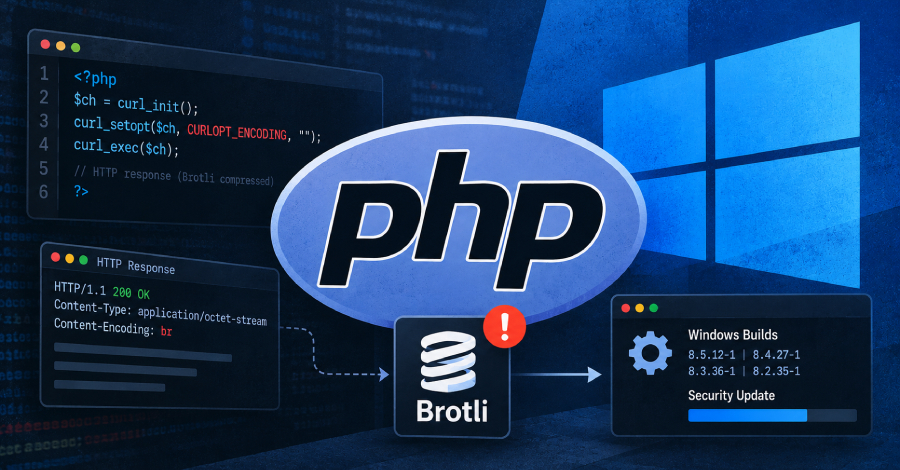
PHP2Shell Flaws Puts Organizations on Alert — The PHP Foundation released patches for two critical vulnerabilities in PHP, CVE-2026-109618 and CVE-2026-109619, that could lead to unauthenticated remote code execution. The security flaws have been codenamed PHP2Shell. Since public disclosure, the shortcomings have witnessed widespread scanning efforts, with Cloudflare stating it detected millions of exploitation attempts after public disclosure. To date, no successful exploitation has been observed. The severity of the flaws, coupled with the ubiquity of PHP on the web, prompted several websites to go offline as a precautionary measure.
How CTEM prioritization and validation stages align with four elements of strong exposure prioritization, from threat intelligence to security control validation, and the question each one answers.
Bugs drop weekly, and the gap between a patch and an exploit is shrinking fast.
Source link