Every SOC struggles with a pile of alerts. Very few of those alerts explain how an attack started or how it progressed. Network data, like that from a network detection and response (NDR) platform, connects individual alerts into one timeline, and it feeds the defensive systems that can tie all events together into one coordinated view.
SOC teams often first see the shape of an intrusion through a series of smaller alerts that are triggered (e.g., when a signature matches a known malware hash, a threshold flags an unusual spike in failed logins, or an endpoint agent detects suspicious activity). When viewed through the SIEM dashboard, an attack often begins as a series of distinct events with related or overlapping timestamps.
Artificial intelligence has accelerated modern attacks, enabling attackers to automate reconnaissance, craft targeted payloads, and execute scripts in seconds. Yet, speed does not obfuscate the need for stealth. To evade detection, adversaries deliberately draw out operations, hide inside standard admin tooling, and work in the quiet intervals between alarms.
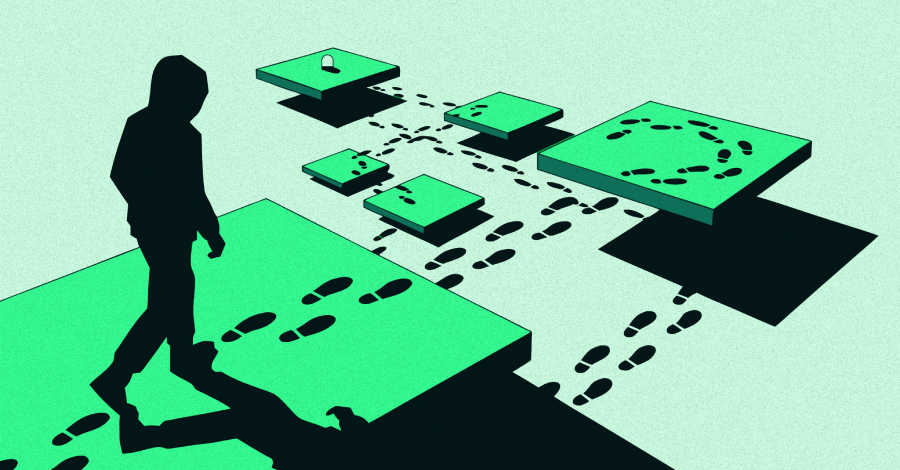
Adversaries might spend days or weeks inside an enterprise environment before an action generates a high-priority security alert. When an alert finally surfaces, it doesn’t necessarily mark the start of a compromise. It may, in fact, be one event in a much longer sequence. Analysts who investigate only the triggering event may miss the chained activity that explains how the intrusion developed.
Between initial access and a high-severity alert, adversary activity can blend into ordinary business operations. Adversaries understand the operational limits of security teams, and they exploit them; if every DNS query, LDAP request, SMB connection, or authentication attempt generated an investigation, SOC queues would quickly become (even more) unmanageable.
Source link