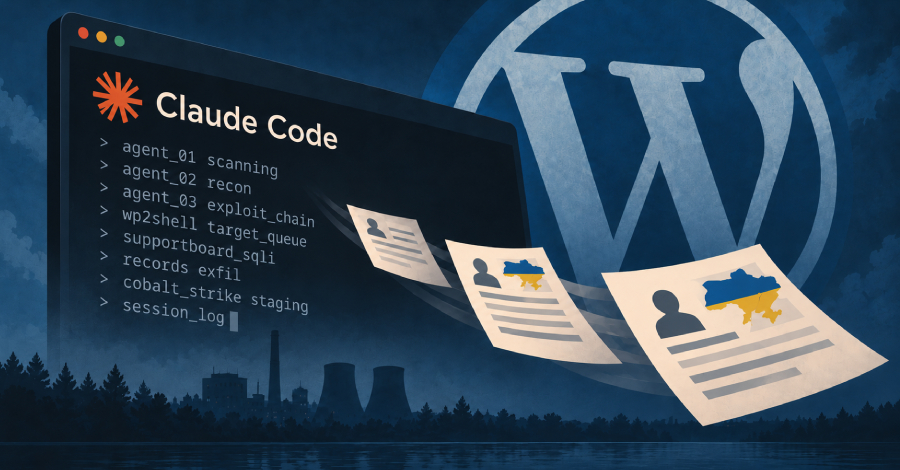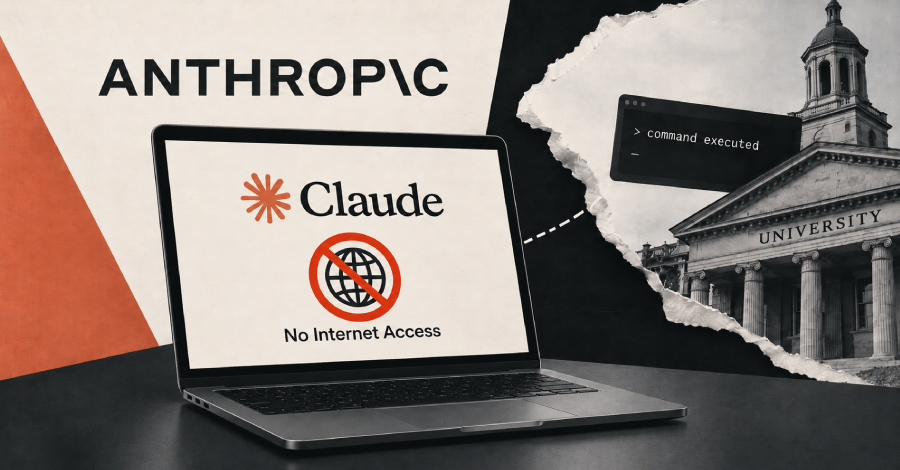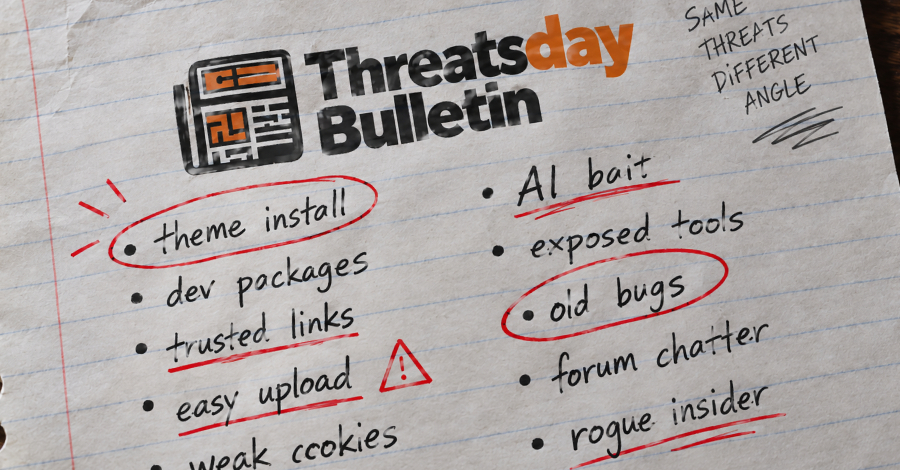
The crooks have trust problems of their own. One ransomware affiliate decided to keep the profits for himself. Elsewhere, an attacker left a server exposed, complete with tools and traces of an intrusion. Apparently, keeping things secure is a problem on both sides of the fence.
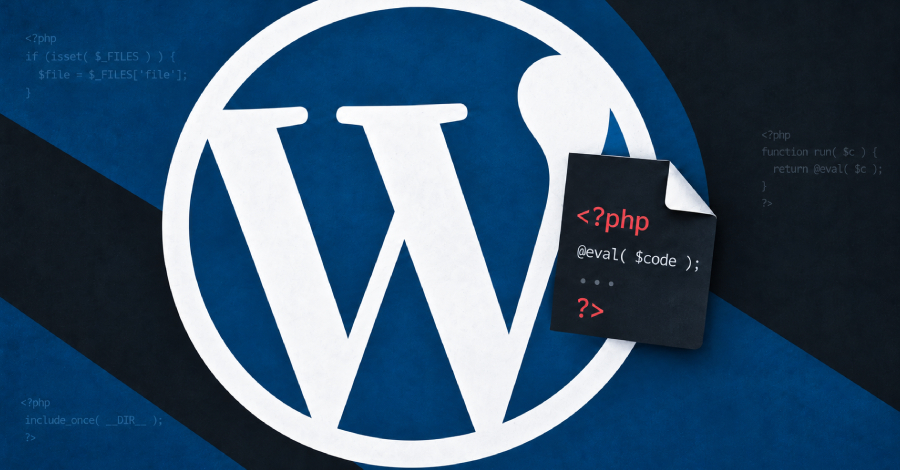
The rest of the week isn't much more reassuring. Malicious code turned up in developer packages and extensions that looked harmless. Familiar online services helped phishing emails appear legitimate. A basic file upload flaw gave attackers a way in, while weak session cookies made impersonation far too easy. Even AI assistants are getting their own instructions hidden inside phishing messages now.
What's interesting is the gap between effort and results. Some attacks involve several stages, careful timing, and plenty of tricks. Others get surprisingly far because of a bad design choice or something nobody bothered to check. Both seem to be working well enough. Anyway, here's what else turned up.
The threats change every week. Subscribe, and we’ll alert you when each new ThreatsDay Bulletin is out.
Socket said it discovered two suspicious VS Code themes still available on the Visual Studio Marketplace (Coca-Cola Christmas and Aurora Borealis Studio Theme) that claim to be color themes but share ties to Aurora Nocturne Night Theme, a previously removed malicious extension that concealed an obfuscated Windows downloader. Further analysis has uncovered six cluster-linked extension identities in Open VSX, including Open VSX versions of Coca-Cola Christmas, Aurora Borealis Studio Theme, and Cosmic Nebula Themes. An analysis of the Visual Studio Marketplace build of Cosmic Nebula Themes has revealed that it contains a loader that decrypts and executes embedded JavaScript, avoids Russian-language and Russian-timezone systems, and uses Solana transaction memos as a dead drop resolver to identify follow-on payload infrastructure.
Source link