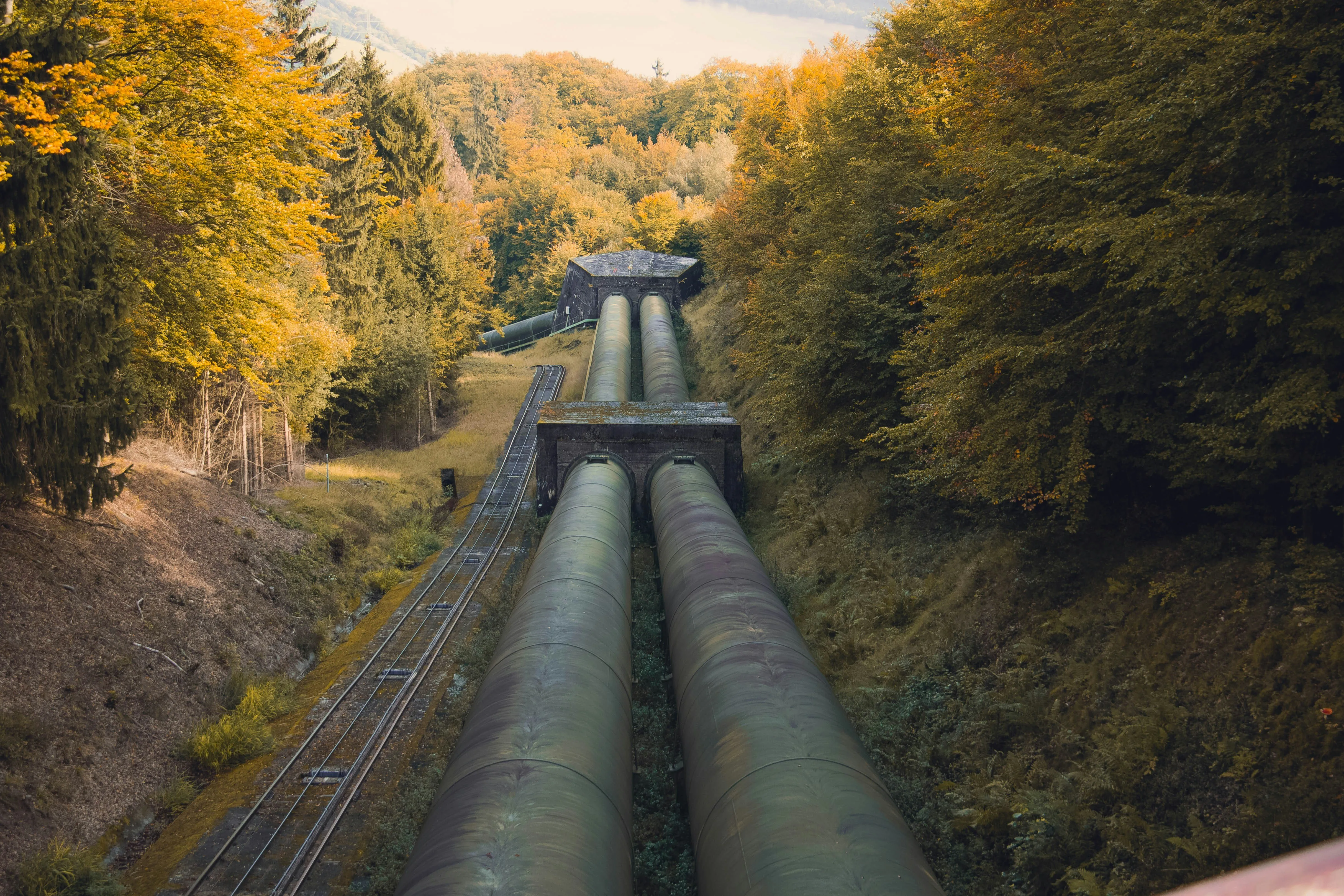
Global investment in CO2 transport infrastructure is projected to reach $211 billion by 2060, according to a market analysis by Wood Mackenzie. This level of capital deployment will enable the transportation of 3 gigatons of CO2 annually across global markets, with approximately 200 million tons per annum moving across international borders.
The Asia Pacific region is set to absorb nearly 60% of total global investment due to vast geographical distances and a structural mismatch between major industrial emission sources and available geological storage.
North America and Europe follow as the next largest regional markets. Pipelines will account for more than 80% of total global capital expenditure, primarily connecting onshore industrial emitters to both onshore and offshore storage formations.
Repurposing existing natural gas pipelines presents a major cost-reduction opportunity, with the potential to reduce capital expenditure by over 60% and halve overall CO2 transport costs. However, infrastructure suitability requires rigorous technical validation, making new build pipelines and shipping fleets necessary components of the global value chain.
While pipelines offer superior economics at high volumes, liquefied CO2 shipping provides critical flexibility for early-stage developments and long-distance maritime routes.
Wood Mackenzie highlights that utilizing low-pressure shipping vessels can reduce cross-border transport costs by up to 34% over long distances compared to medium-pressure alternatives, making ship configuration a decisive factor for Asia Pacific trade flows.
In Asia, demand for cross-border CO2 transport from Japan, South Korea, Singapore, and Taiwan is expected to reach 164 million metric tons per annum by 2060.
Relevant: Industry Groups Call For Phased EU Approach To CO2 Transport Regulation
Source link