This article has been reviewed according to Science X's editorial process and policies. Editors have highlighted the following attributes while ensuring the content's credibility:
New technology supported by researchers at Murdoch University has the potential to solve water scarcity issues in remote and rural Australia. While many cities enjoy a steady flow of safe and reliable water, remote communities often face a different reality.
With freshwater sources nonexistent or severely depleted during times of drought, many rural towns depend on water being trucked daily from metropolitan areas at great cost and inefficiency.
As part of the WaterSmart Farms project, researchers from Murdoch University, in collaboration with scientists at the Department of Primary Industries and Regional Development, Water Corporation and industry, have demonstrated the potential of a fully self-sustaining, decentralized desalination unit to offer a solution.
Wongutha Christian Aboriginal Parent-Directed School (CAPS) is an Aboriginal boarding school located more than 700 km (435 miles) from Perth, near Esperance.
Due to its remote location, the school is unable to be connected to the Western Australia water grid.
Water on site had historically been sourced from a nearby farm; however, the quality and quantity of the water have been on a steady decline.
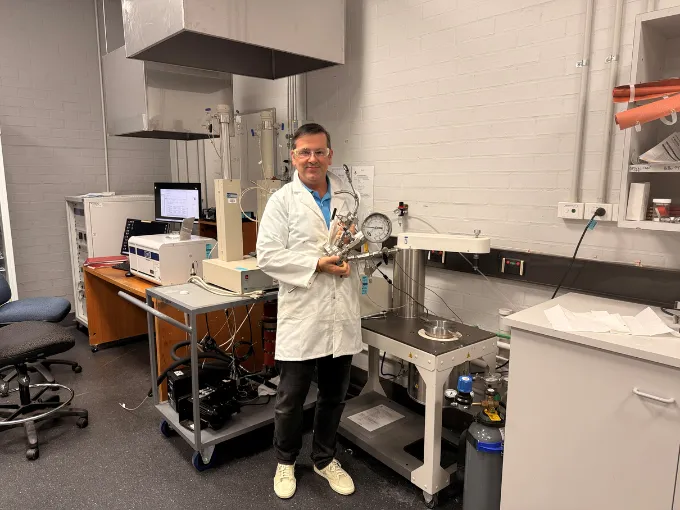
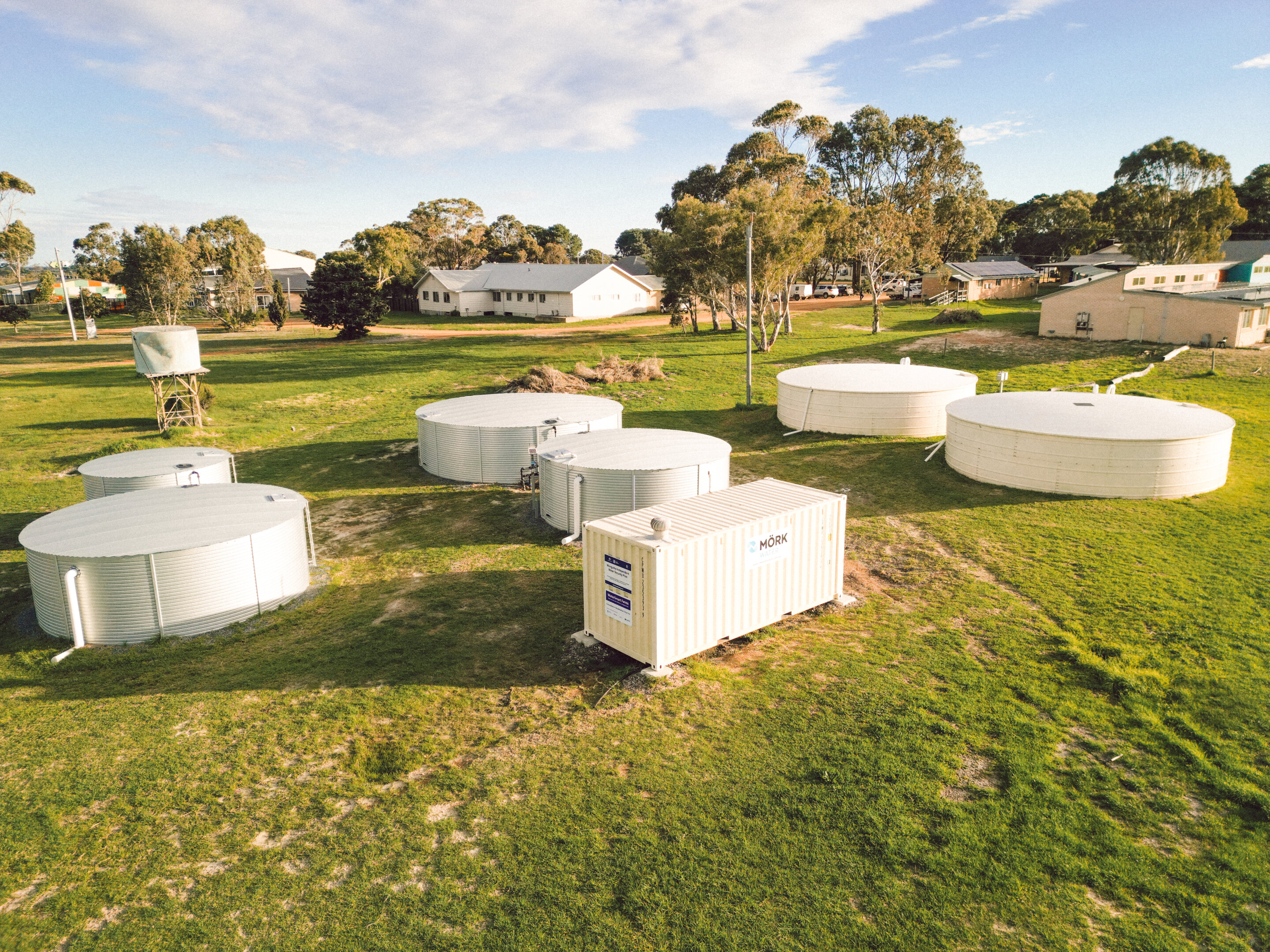
Professor Wendall Ela from Murdoch University's Harry Butler Institute and a team of scientists worked with industry engineers to build an off-grid desalination unit—small enough to fit inside a shipping container—which is now sustaining the school.
The unit, powered by renewable energy via solar panels and batteries, is able to turn salty groundwater into fresh water and pump the rejected saline water to a nearby field of saltbush—a drought-resistant native plant that is used to feed livestock.
Source link