Lithium-ion batteries have become the backbone of electric vehicles and energy storage. But a rival chemistry built around one of the world’s most abundant elements is now becoming more and more viable.
Sodium-ion batteries are entering commercial production, with major manufacturers betting they could make energy storage cheaper, more resilient, and less dependent on lithium.
In February 2026, China’s CATL and automaker Changan unveiled what they described as the world’s first mass-production passenger vehicle equipped with sodium-ion batteries, with sales planned for the middle of the year.
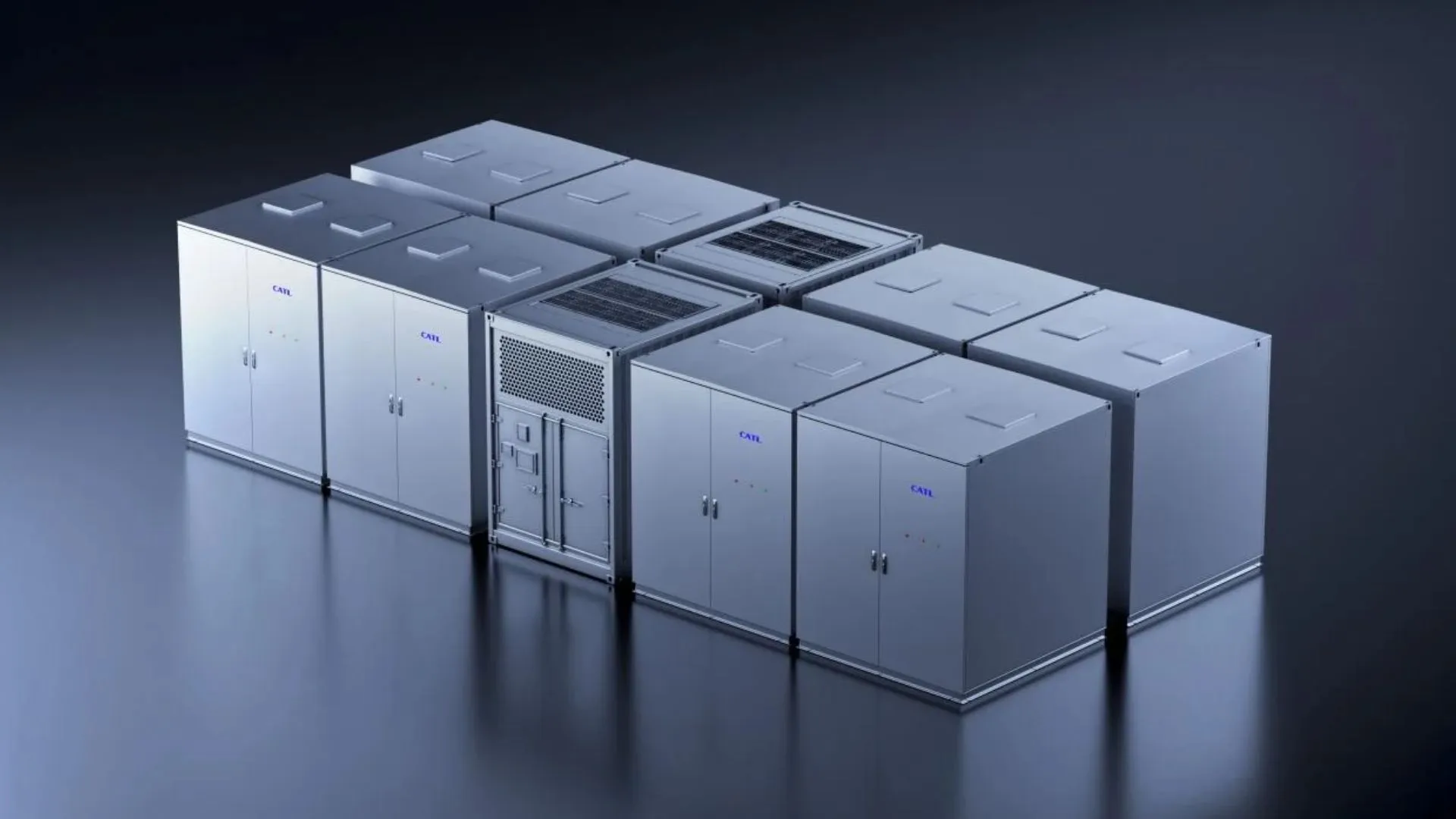
In April, CATL also signed a major agreement to supply 60 gigawatt-hours of sodium-ion batteries to energy storage company Beijing HyperStrong Technology over three years.
These developments suggest sodium-ion technology is approaching a new stage. But it still faces a fundamental challenge. Lithium-ion batteries have a considerable head start in energy density, cost, and manufacturing scale.
Both technologies work on the same basic principle. During charging and discharging, ions move between a positive electrode (cathode) and a negative electrode (anode), with an electrolyte allowing them to travel between the two.
The main difference is the element carrying the charge. Lithium-ion batteries use lithium, while sodium-ion batteries use sodium, which is widely available in seawater and common salts.
That abundance could reduce dependence on lithium mining and price fluctuations. Sodium-ion cells can also use aluminum current collectors on both electrodes, potentially reducing their reliance on copper. Some designs avoid lithium, cobalt, and graphite altogether.
However, sodium-ion batteries are not automatically free of critical minerals.
Source link