Power shortages are becoming a serious obstacle for American manufacturers and data center operators. New grid connections can take years to secure, leaving businesses searching for faster ways to get electricity. Redwood Materials wants to use retired electric vehicle batteries to help close that gap.
The company is working with Rivian to install battery storage systems at its manufacturing facilities. The arrangement gives used EV batteries another purpose after they leave vehicles. It also connects battery recovery directly to the growing demand for reliable industrial power.
EV batteries can lose the capacity needed for driving without becoming useless. Some packs retain enough energy storage potential to serve stationary applications, where weight and packaging constraints matter less.
Redwood collects used batteries from Rivian and evaluates how to handle them. Packs suitable for another application can support energy storage. Others can go through recycling to recover valuable materials.
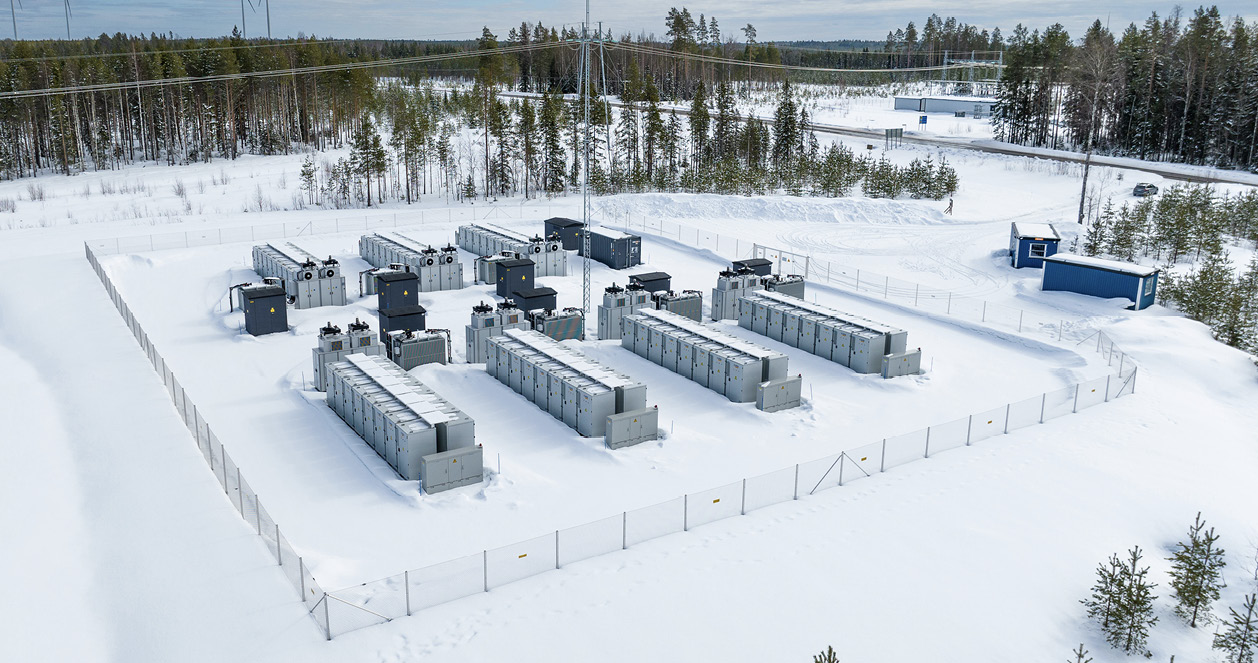
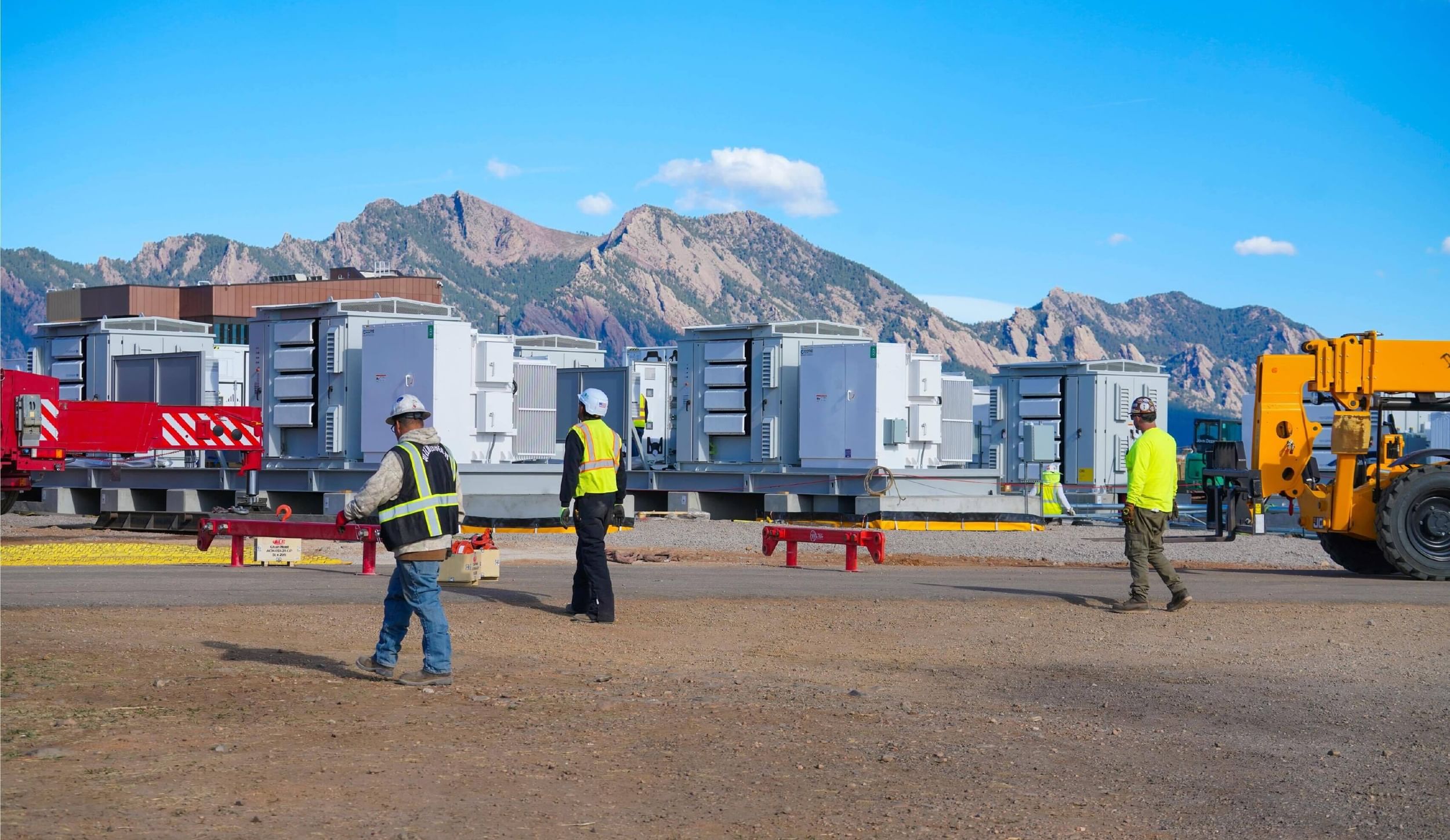
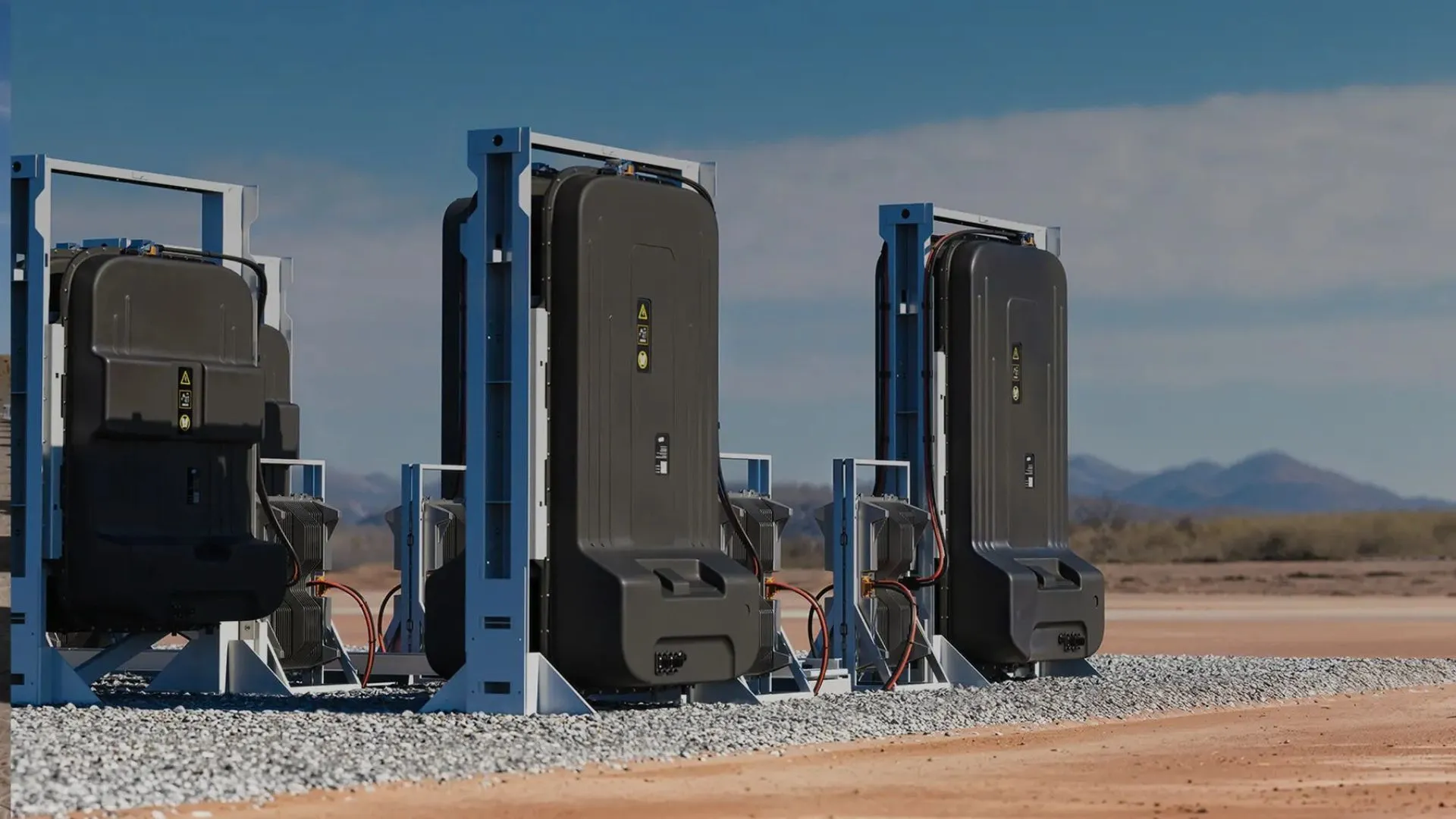
Rivian already operates a 10-megawatt-hour second-life battery system at its factory in Normal, Illinois. Redwood identifies the installation as the first of its kind at a US automaker’s manufacturing plant.
Rivian’s service centers also offer a steady source of batteries removed during maintenance and repairs. Recovering those packs gives Redwood access to materials that might otherwise create additional handling and transportation costs.
The arrangement creates a useful link between vehicle servicing and factory power. Batteries returning from the road could eventually help supply the facilities producing new vehicles.
Integrating retired EV batteries into one dependable power system presents a significant engineering challenge. Packs vary in chemistry and age, and their performance changes with use.
Source link