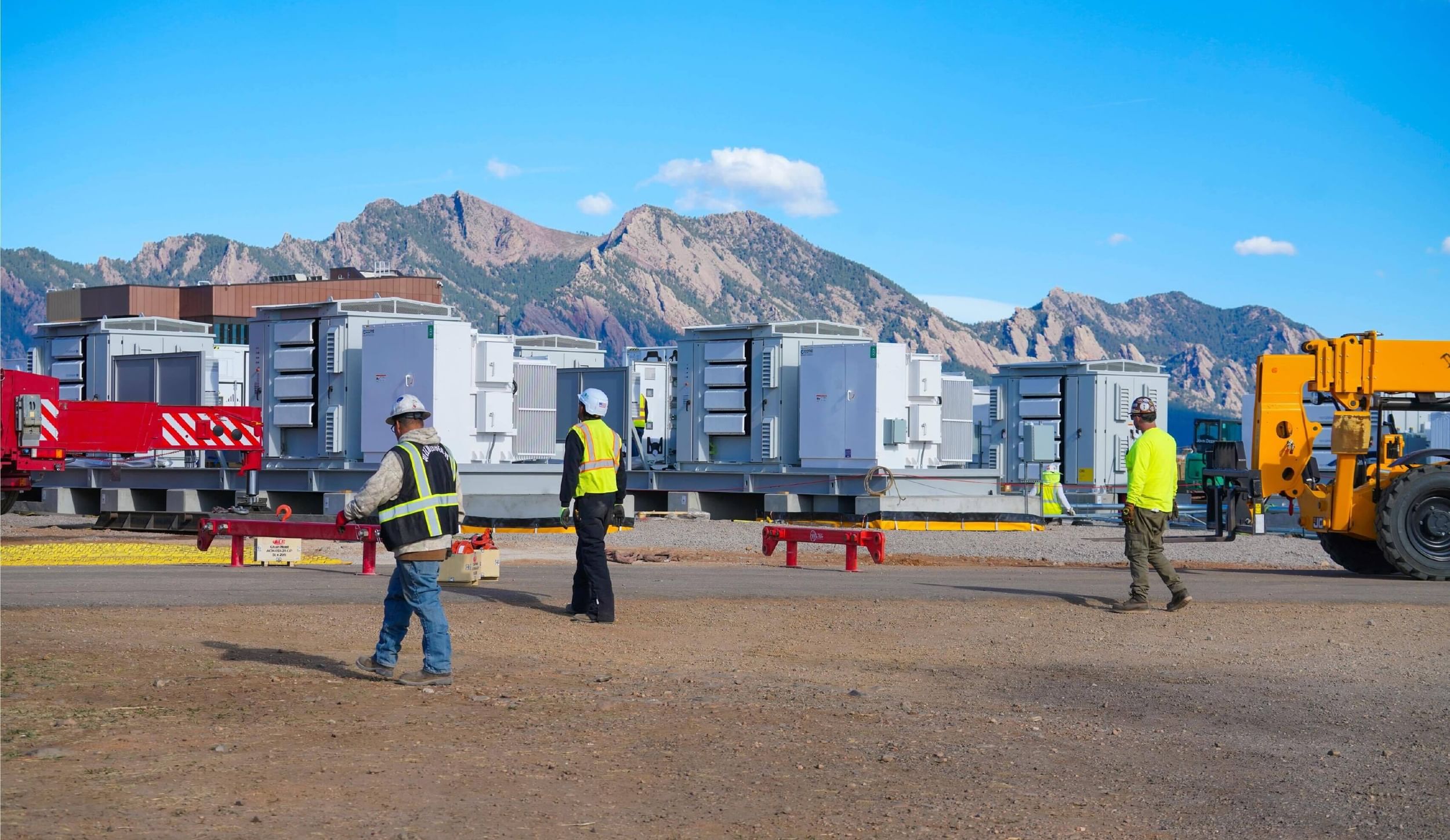
Lithium-ion batteries could do so much for AI data centers and the power grid. They’re cheaper than the fossil-gas turbines that tech giants are building at gigawatt scale for their “AI factories.” They can cushion the cost of building out grid infrastructure and power plants just to serve data centers’ peak energy demands. And they’re much cleaner than the diesel backup generators almost all data centers rely on.
So why haven’t on-site batteries taken off yet with the computing crowd? It comes down to costs and benefits. Data center developers and operators often see fossil fuels as more reliable for 24/7 power. And industry watchers say the companies are leery of adding batteries unless they see a clear payback — or if they simply can’t do without them.
Data centers have in fact relied for decades on a type of battery known as an uninterruptible power supply (UPS) system. It’s essentially a bank of batteries — most of them old-fashioned lead-acid chemistries — that connects to servers and other computing gear to keep them running smoothly in case utility power flickers or fails. Much like backup generators, they don’t do anything useful except during emergencies.
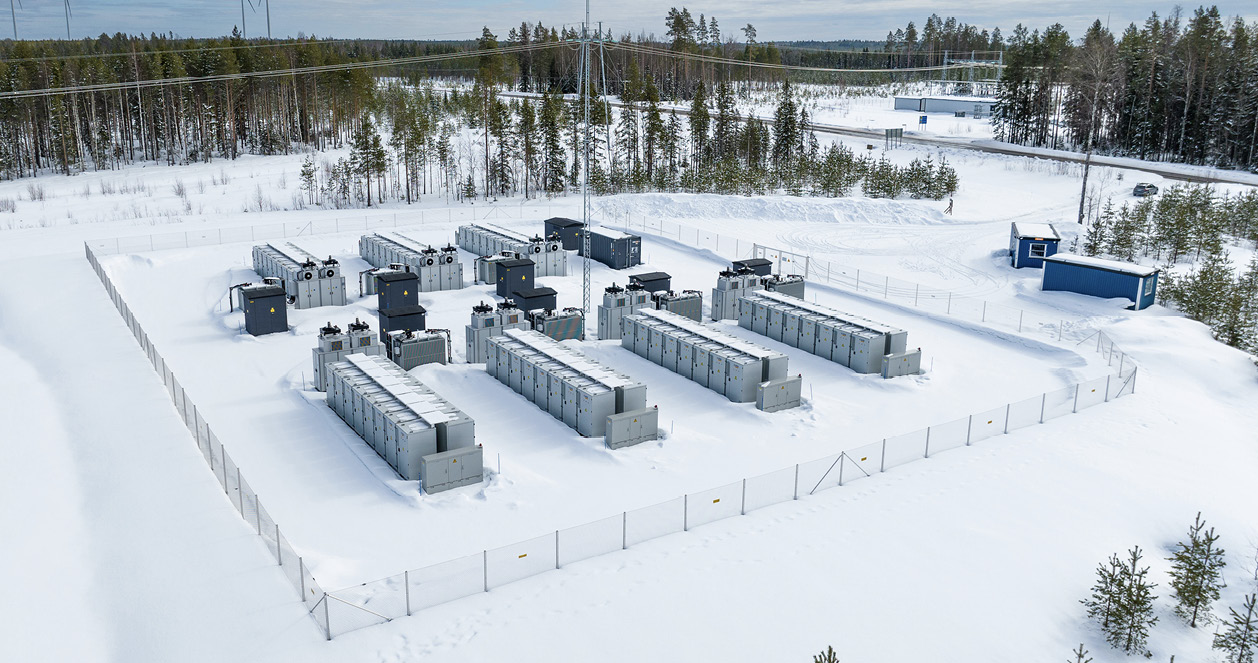
With the right technological fixes, however, lithium-ion batteries that sit between the grid and the data center complex could perform this task, and solve a host of other problems. Specifically, they could serve as shock absorbers to prevent the kind of power disruptions, caused by data centers dropping off the grid unexpectedly, that are emerging as a major threat to grid stability.
Source link