Clean cooking carbon credits are entering a new phase after the United Nations approved two methodologies for the UN carbon market, creating a pathway for eligible projects to seek credits under the Paris Agreement Crediting Mechanism.
The decision could help channel climate finance into cleaner household energy while strengthening the credibility of emissions reductions.
The Article 6.4 Supervisory Body approved two methodologies: one covering energy-efficiency measures in household cooking (A6.4-AMM-005), including more efficient stoves, and another supporting cooking energy transitions (A6.4-AMM-004), covering broader shifts to cleaner cooking technologies and fuels. The rules establish how projects must measure and monitor emissions savings and demonstrate that reductions meet the mechanism’s requirements.
“This decision gives cleaner cooking projects a new pathway under the UN carbon market, with clear rules to ensure that each credit represents a real and credible emission reduction,” said Mkhuthazi Steleki, Chair of the Supervisory Body.
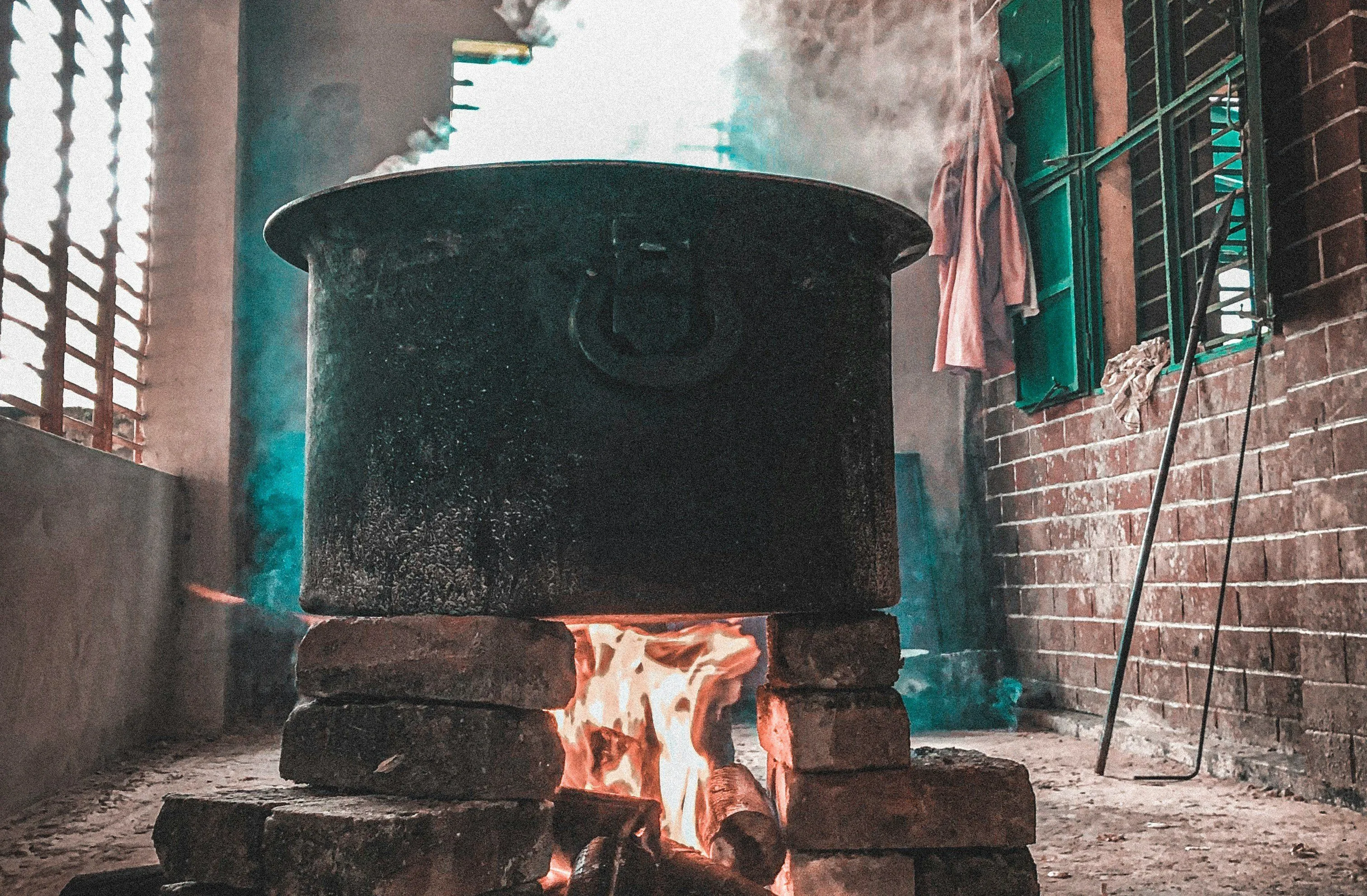
The decision addresses a major global energy and health challenge. Around 2.1 billion people continue to cook with polluting fuels or inefficient technologies, according to the World Health Organization. Household air pollution was associated with an estimated 2.9 million deaths in 2021, highlighting the public health stakes of expanding cleaner alternatives.
Alongside the methodologies, the UN body adopted an initial tool for assessing reversal risks in projects that reduce the use of non-renewable biomass. The safeguard is intended to prevent carbon accounting from overlooking situations where claimed emissions savings are later undone.
The Paris Agreement Crediting Mechanism is designed to support verified emissions reductions and international climate cooperation.
Source link