The demand for renewable energy has been skyrocketing worldwide. There are a few obvious reasons for that. It is more affordable than fossil fuels, better for the environment, and can serve as a sustainable energy source for generations.
In 2025, renewable energy sources accounted for 34 percent of global electricity generation. This growth is set to continue, with global renewable power capacity expected to rise by nearly 4,600 GW between 2025 and 2030.
But one of renewable energy’s main drawbacks is its unpredictable nature. Wind turbines and solar panels can produce massive amounts of electricity. However, their output depends heavily on weather conditions and the time of day.
A potential solution is to store surplus renewable electricity in batteries and use it when needed. Yet, conventional lithium-ion (Li-ion) batteries are better suited for storing energy for a few hours rather than several days.
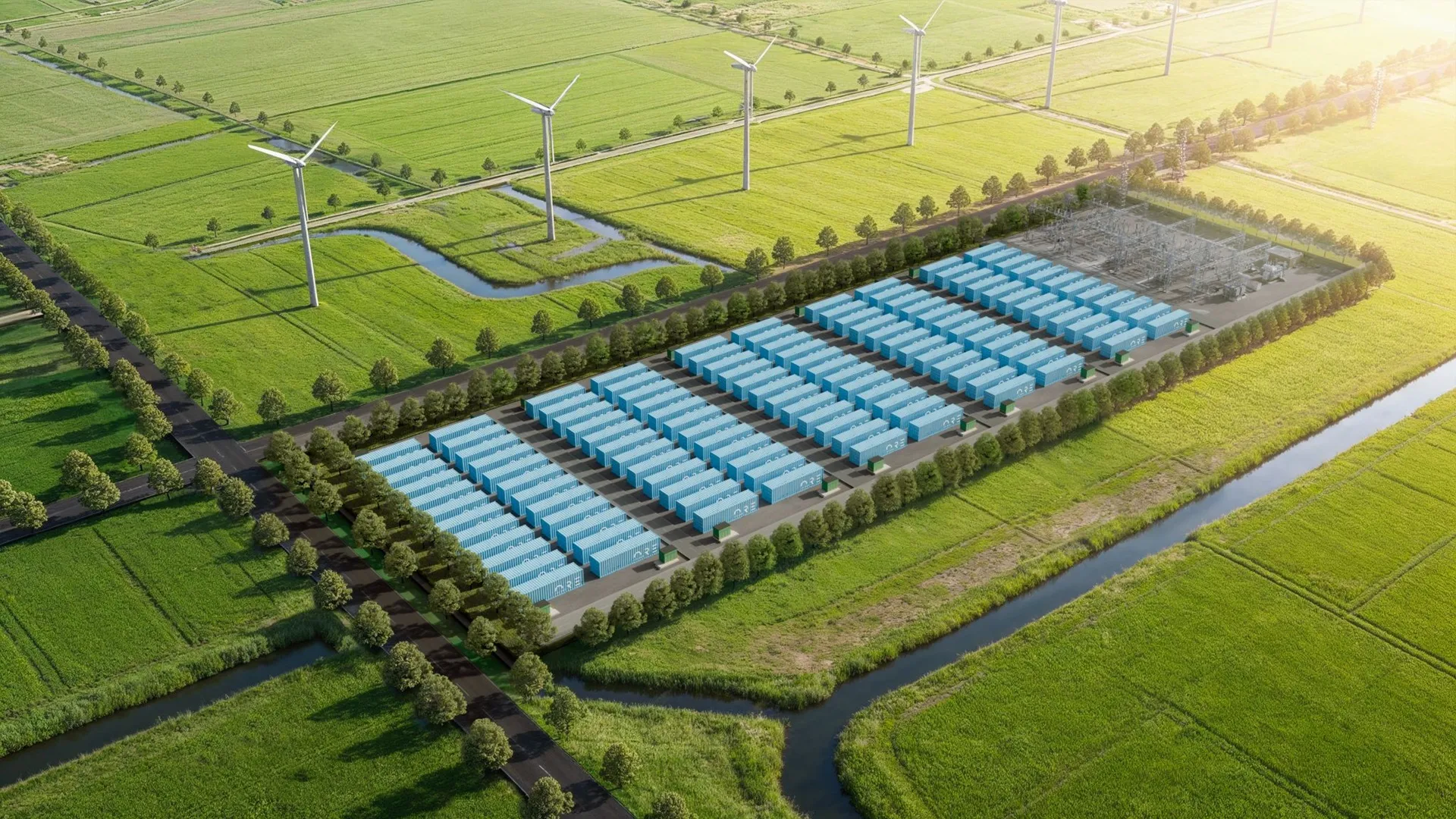
To address this challenge, a Dutch startup called Ore Energy has created an iron-air battery that uses three readily available materials, iron, water, and air, to store electricity for up to 100 hours. It relies on rusting. By reversing the process, it can preserve excess wind power for later use.
In an exclusive interview with Interesting Engineering, Ore Energy co-founder and CEO Aytaç Yılmaz, PhD, stated that when the battery discharges, iron reacts with oxygen from the air and turns into rust. This chemical reaction releases electrons and generates electricity that can be used when needed.
“When you charge it, you push electricity in and drive that reaction backward – the oxygen is released, and the rust returns to metallic iron,” he told IE.
Source link