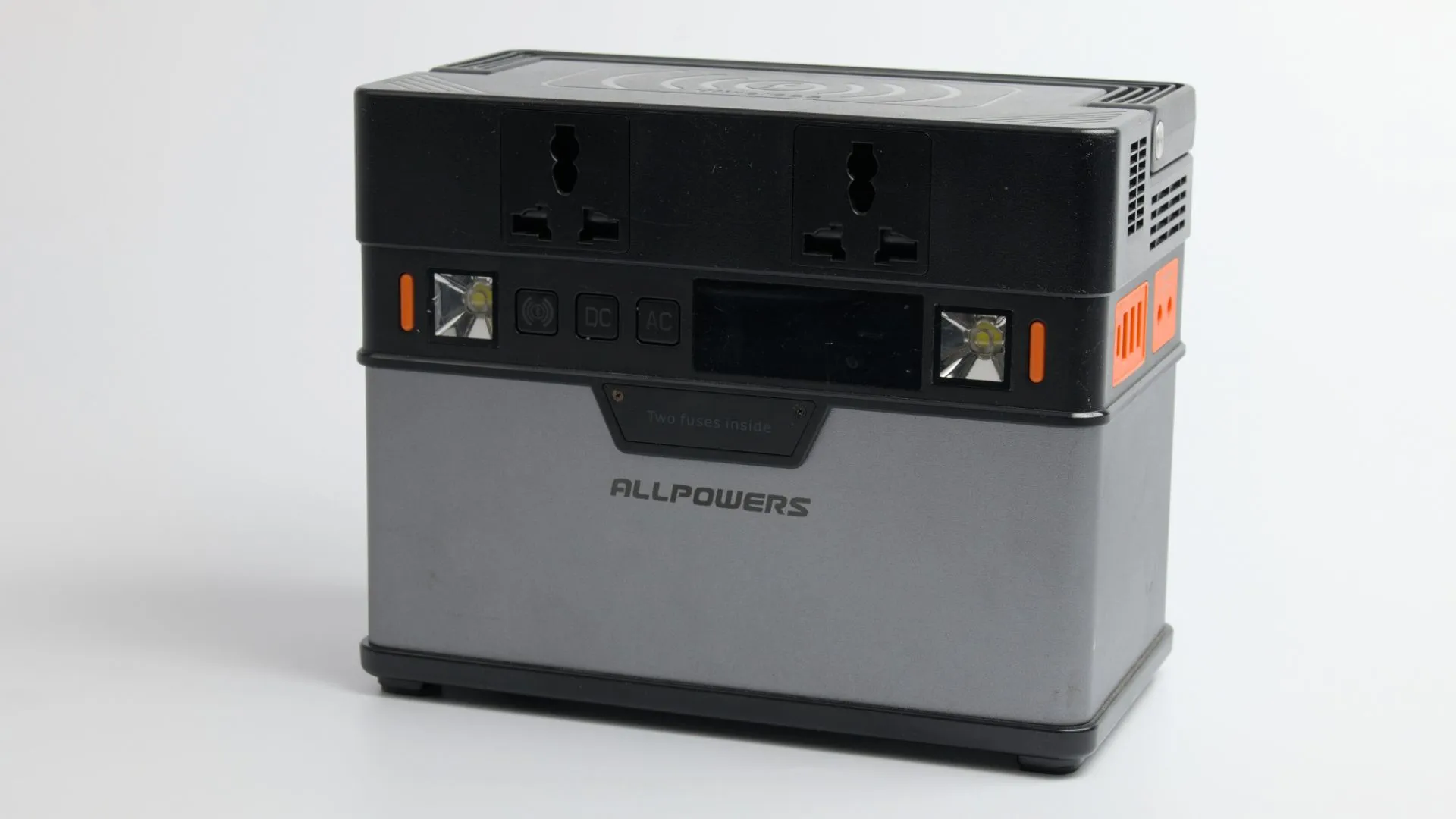
A blackout forces households to decide what needs electricity first: the refrigerator, a few lights, or the heating system. A home battery and a portable power station can both supply stored energy, but they differ in how they deliver it and how much installation they require.
For households choosing backup power, the decision comes down to which appliances must run, how long outages typically last, and whether the system needs to work automatically.
A portable station can suit selected devices, while an installed home battery can support circuits throughout the house, depending on its configuration.
A home battery connects to the household electrical system through an inverter and associated control equipment. In a backup-capable installation, that equipment disconnects the home from the grid during an outage and supplies designated circuits from the battery.
Depending on system design, coverage can include selected essential loads or the entire home.
A portable power station packages battery storage, an inverter, and outlets into a unit that supplies appliances plugged directly into it. This makes it useful for powering individual devices without installing a permanent battery system.
The distinction is becoming less rigid, however. Some larger portable stations support expansion batteries and can connect to household circuits through compatible transfer equipment.
Buyers therefore need to compare the actual configuration. A portable unit connected to a home panel involves different equipment and installation requirements from one used simply to charge phones.
Two specifications matter: energy capacity and power output. Capacity, measured in watt-hours or kilowatt-hours, indicates how much energy the battery can store.
Source link