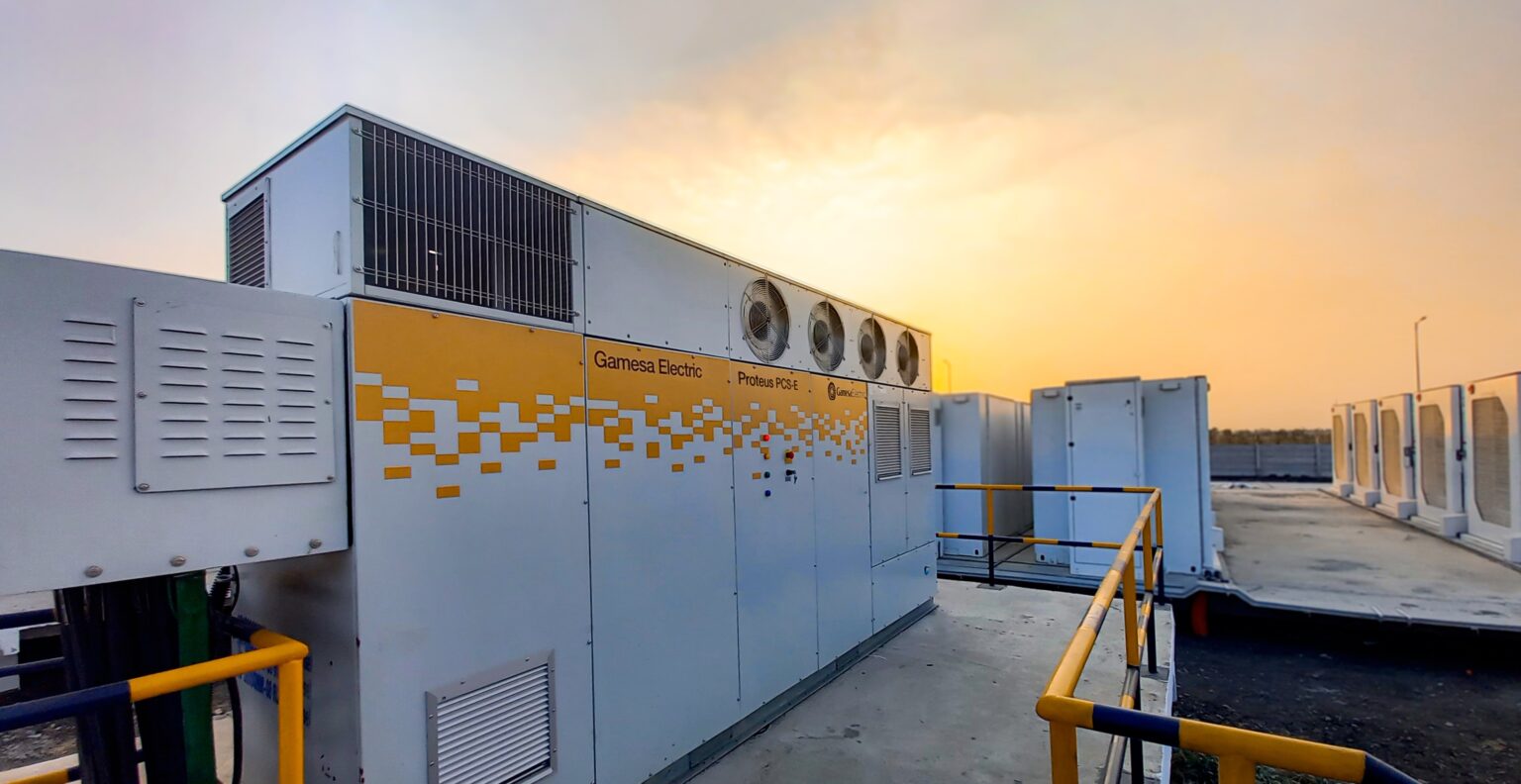
A battery plant with hundreds of small inverters may require more frequent attention than one with a handful of large units, though it can still lose less capacity overall. For owners comparing string and central power conversion systems (PCS), however, the availability benefit is not always clear.
The distinction between central and string inverters matters when an availability claim becomes part of a project’s business case. Smaller, more frequent outages can be less disruptive, but the benefit depends on how often equipment fails and how quickly it returns to service.
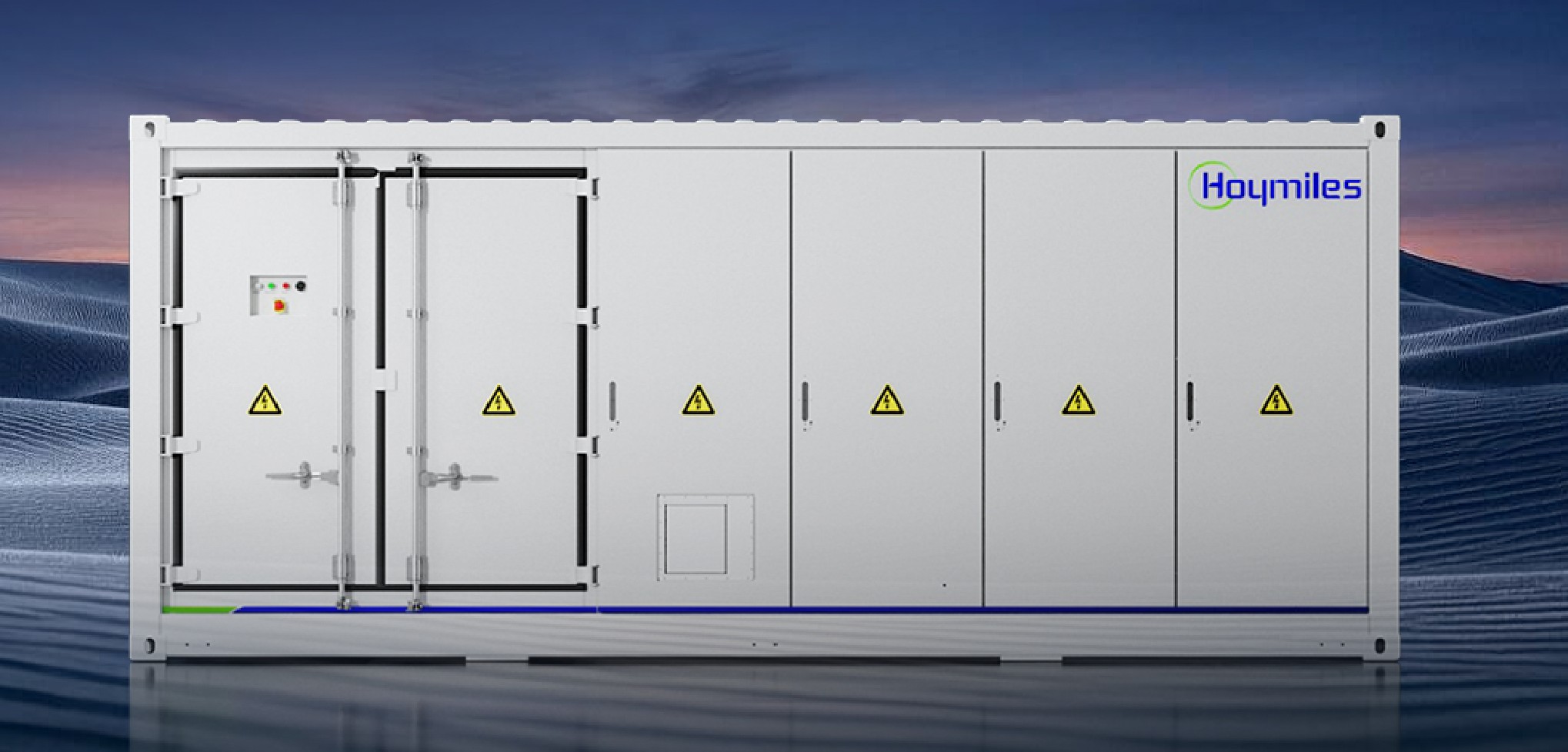
The PCS converts electricity between the batteries and the grid. A central arrangement groups more battery capacity behind each large converter. A string arrangement divides that duty among more, smaller converters, allowing each affected section to be isolated while others continue operating.
In a simple comparison at equal installed power, if all converters have the same failure rate and repair time, splitting the plant into smaller units leaves the expected total loss of converter capacity unchanged. There are more units that can fail, but each failure removes a smaller share of the plant.
Smaller, independent outages can make available capacity more predictable and reduce the impact of any single incident. This can matter when the plant has committed to deliver a particular level of power.
This is not necessarily redundancy. If no spare capacity can take over a failed unit’s duty, the plant continues at reduced capacity.
Mean time between failures (MTBF) depends on what is inside each converter. A larger converter can contain more power modules and supporting circuits whose failure trips the entire unit.
Source link