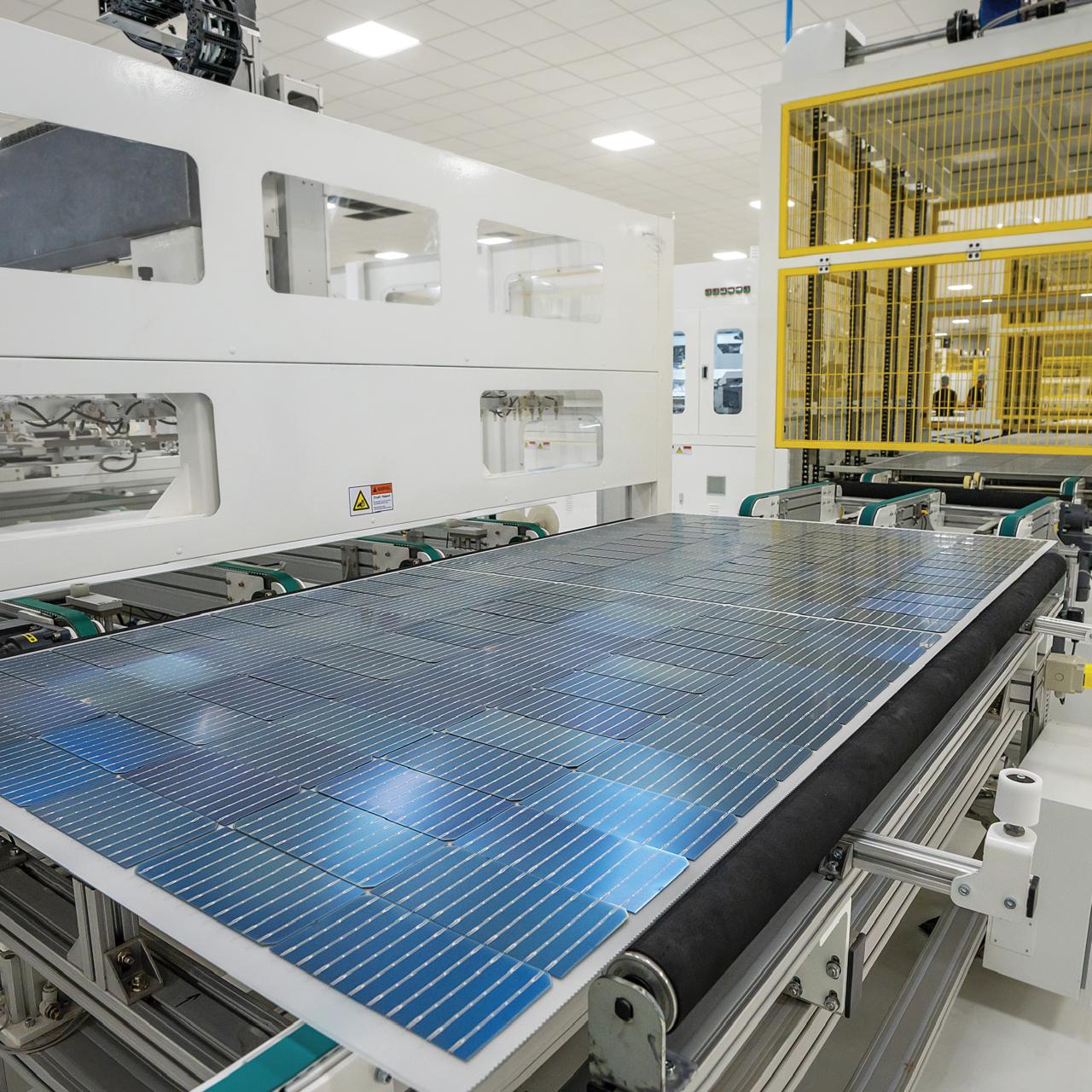
As per the Ministry of New and Renewable Energy, India’s installed solar capacity reached 171.05 GW on 30 September 2026. As the country continues to scale its clean energy infrastructure, the next challenge will be to ensure that this capacity provides reliable power for decades to come. The industry’s success will gradually depend not just on how quickly solar projects are built, but on the quality of the assets being installed.
For developers and investors, durability has direct financial implications. Since solar PV installations are generally designed to operate for 25 years, long-term reliability and warranty coverage are essential. Ensuring that modules are manufactured at the facilities declared by producers is equally important for verifying product authenticity, protecting consumer interests and safeguarding India’s energy security. While lower purchase prices can improve initial project economics, consistent quality and dependable performance remain critical to protecting returns over a plant’s operating life
A module’s purchase price represents only one part of its overall cost. Its long-term performance affects power generation, project income, and ROI. Over the lifetime of a solar power plant, cumulative generation can be impacted by slight variations in annual degradation, or a slow reduction in power output.
Indian installations face diverse conditions, from intense summer heat and dust to humidity, heavy rainfall and strong winds. These constantly apply pressure on the glass, encapsulants, frames and electrical connections of the modules. If manufacturing processes or materials are modified to cut costs, failures may not appear for years after installation when repairs and replacements can be more expensive.
Source link