Researchers in South Korea have developed a new method to upcycle high-purity silver nanoparticles recovered from end-of-life silicon solar panels into electrocatalysts for high-rate carbon monoxide (CO) production. CO is an important industrial feedstock used in the production of chemicals and fuels, including methanol, acetic acid and synthetic hydrocarbons.
The recovered silver formed a rough catalyst surface that helped prevent flooding inside the electrolyzer, allowing it to sustain CO production for more than 600 hours.
“This work highlights that upcycled photovoltaic waste can serve as a highly durable and scalable alternative to resource-intensive commercial catalysts, pushing forward the practical implementation of sustainable carbon dioxide (CO₂) conversion,” the academics said. “This work underscores the potential of integrating electronic waste valorization with electrocatalytic carbon utilization.”
The researchers collected end-of-life silicon solar panels and mechanically processed them using a commercial separation system operated by Reset Company. After removing the aluminum frames, tempered glass and backsheets, they heated the remaining solar cell fragments to 800 C to decompose the ethylene-vinyl acetate (EVA) encapsulant.
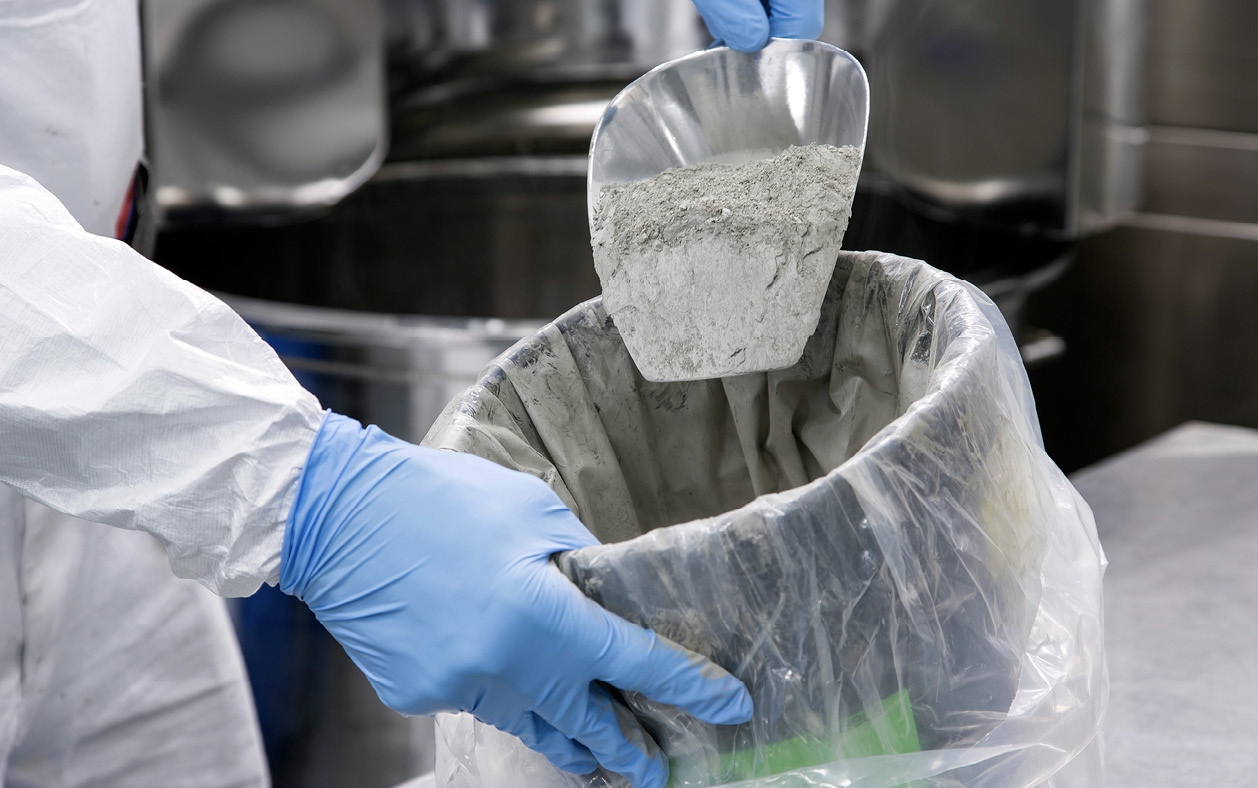
They then immersed the fragments in nitric acid, dissolving the metals and separating the silicon residue. In a first alkaline treatment, they precipitated impurities including copper, aluminum and lead. A second alkaline treatment precipitated the silver as silver oxide.
The team then dispersed the silver oxide in ethanol with stearic acid and applied laser irradiation to reduce it to metallic silver nanoparticles. The researchers mixed the recovered particles with a Nafion ionomer solution and isopropanol before spray-coating the ink onto a carbon gas diffusion layer at 70 C.
Source link