This article has been reviewed according to Science X's editorial process and policies. Editors have highlighted the following attributes while ensuring the content's credibility:
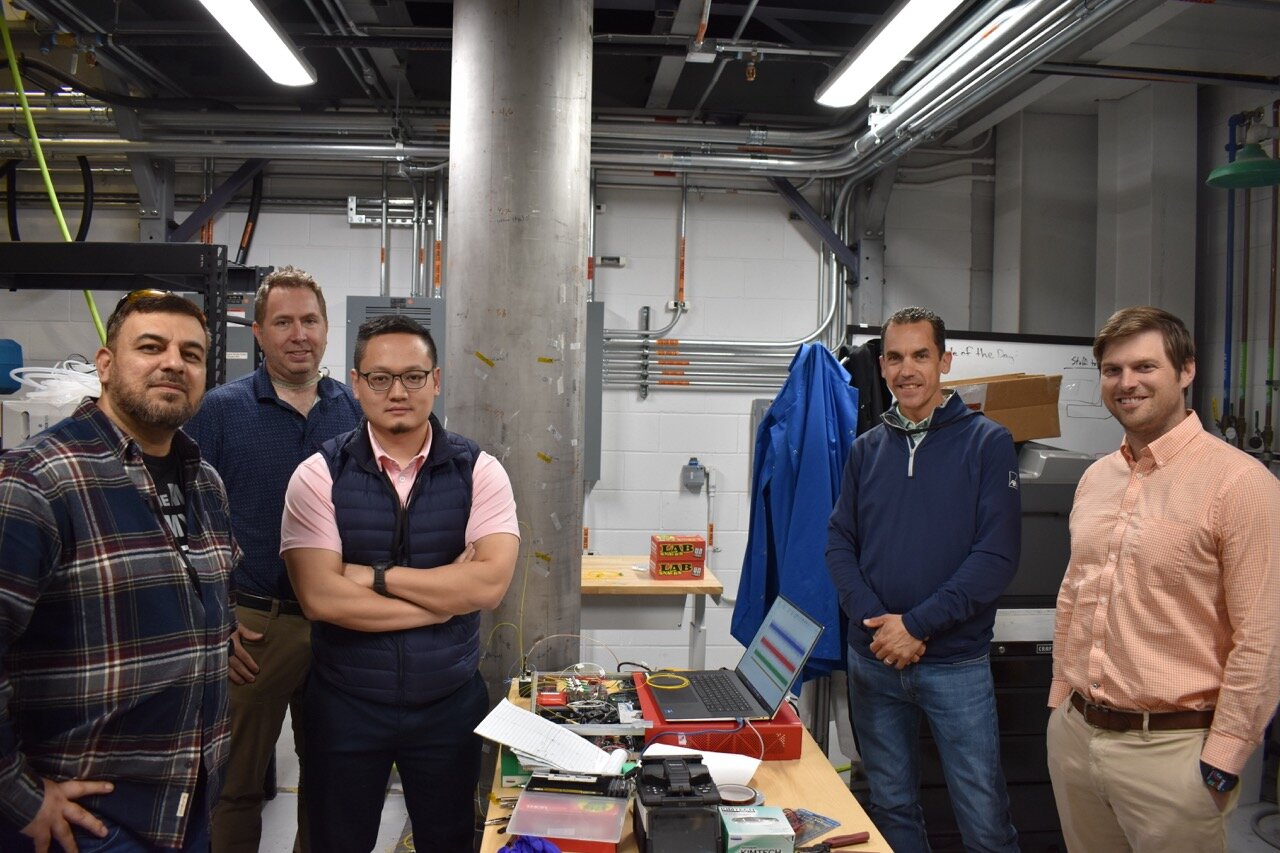
Samantha Gateman and her team at Western University use highly localized electrochemical techniques to see how corrosion starts and evolves at the microscopic level.
Their research focuses on how nuclear fuel and reactor materials change over time, and how those changes could affect the containers and components used to safely store and dispose of them for millennia.
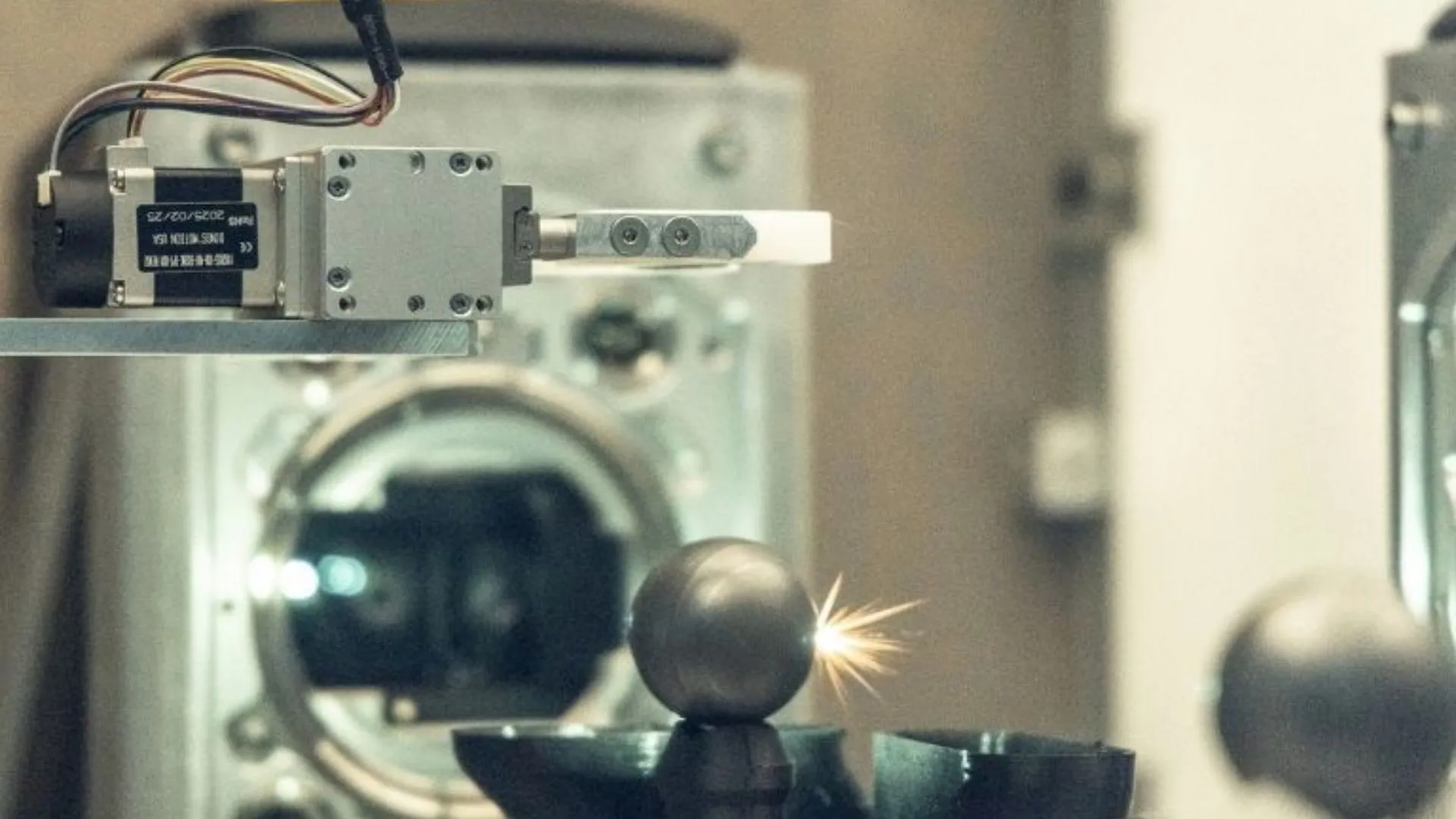
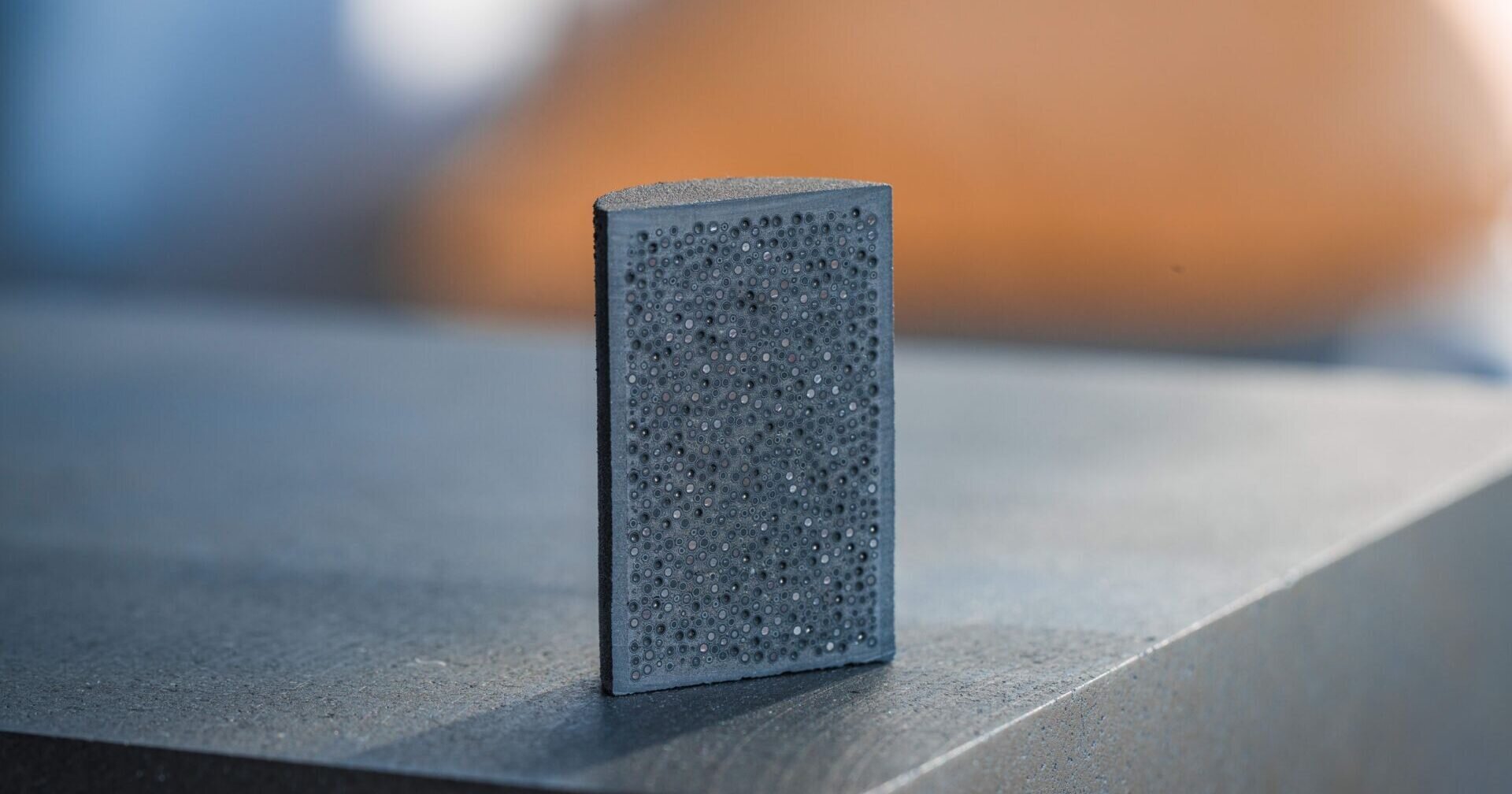
So, when Gateman, Western's NWMO Chair in Radiation Induced Chemistry, and postdoctoral researchers Soroosh Hakimian and Shamim Pourrahimi were given tiny TRISO (tri-structural isotropic) particles—poppy seed–sized nuclear fuel kernels surrounded by four protective layers—to characterize, they approached them the way they approach many unfamiliar materials. First, figure out what is there. Then, determine how it behaves.
To their surprise, they found small regions of silicon inside the TRISO fuel kernel, and that silicon was already there before the particle ever entered a reactor.
TRISO is among the most robust nuclear fuel designs ever developed, with each tiny fuel kernel surrounded by multiple layers designed to contain radioactive fission products.
Researchers had previously found silicon inside irradiated, or used, TRISO fuel that had been exposed to extreme temperatures and radiation. It was generally attributed to silicon migrating inward from the surrounding silicon-carbide protective layer during reactor operation.
Gateman, Hakimian and Pourrahimi have now shown that some silicon is present before the fuel ever enters a reactor, giving researchers a new baseline for understanding what happens to the material during reactor operation and raising new questions about how the material entered the fuel kernel in the first place.
Source link