This article has been reviewed according to Science X's editorial process and policies. Editors have highlighted the following attributes while ensuring the content's credibility:
As AI drives unprecedented demand for electricity, University of Houston researchers are developing a compact technology designed to make carbon capture more practical for power plants supporting the growing AI industry.
UH engineering professor Mim Rahimi and former UH Ph.D. student Ahmad Hassan, who is currently at Harvard University as a postdoctoral associate, detailed the technology, called small modular electrochemical containers (SMECs), in a study published in Environmental Science & Technology.
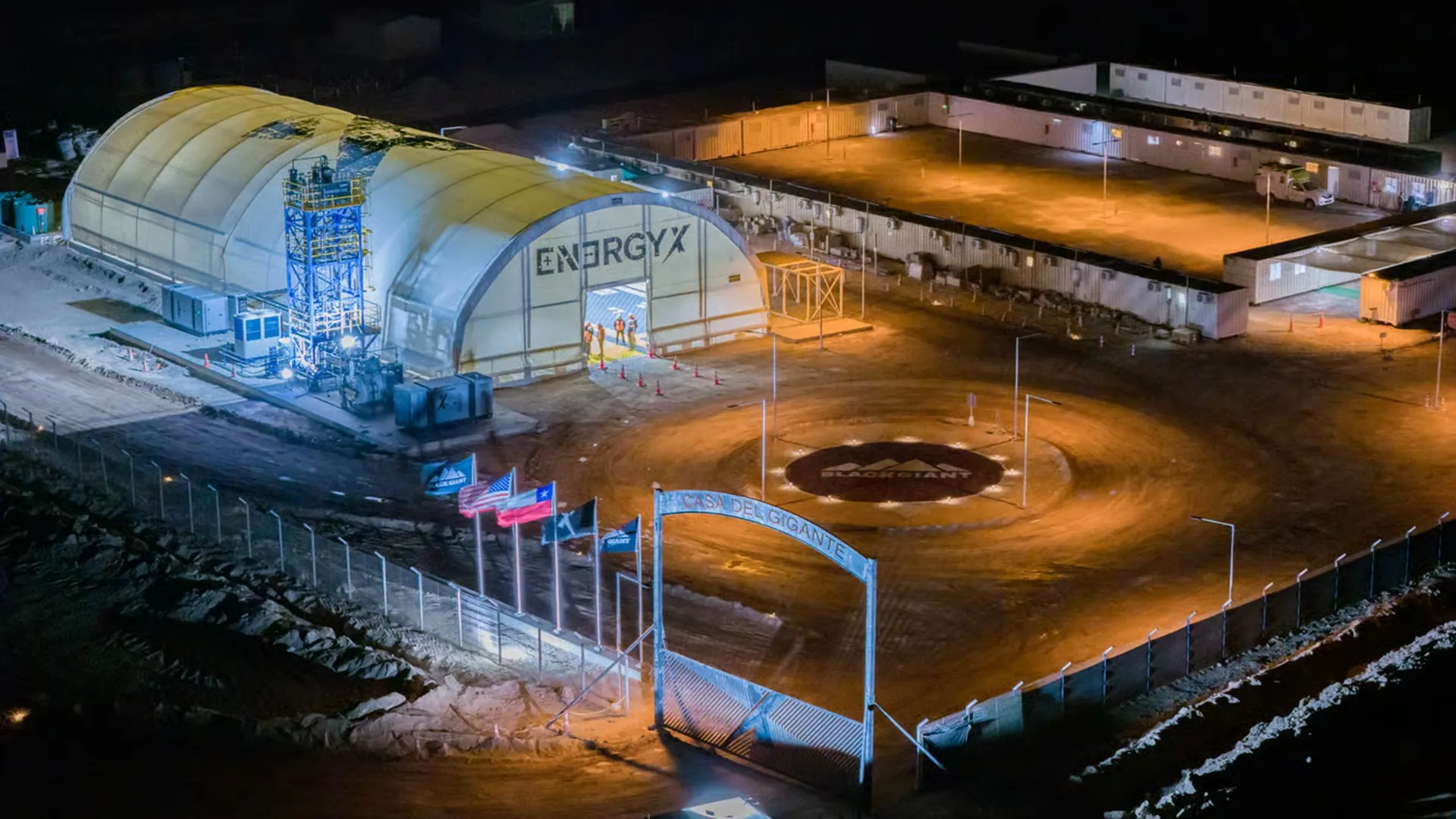
The SMEC is designed to fit inside standard 40-foot (12-meter) shipping containers, eliminating the need for some of the large, expensive equipment used in conventional carbon capture systems. Researchers demonstrated its effectiveness in laboratory testing and examined how it could be deployed at large-scale power plants.
"We're taking a technology that traditionally requires enormous infrastructure and finding a way to fit it inside a shipping container," Rahimi said. "That opens up entirely new possibilities for how and where carbon capture systems can be used."
According to the U.S. Department of Energy, data centers accounted for approximately 4.4% of the nation's electricity consumption in 2023 and could reach as much as 12% by 2028.
Meeting that demand will require substantial investments in electricity generation, including natural gas power plants capable of supplying reliable power around the clock.
However, integrating conventional carbon capture technology into these facilities presents challenges. Traditional systems often require large absorption towers, significant amounts of heat and extensive infrastructure modifications.
Source link